Geneva voters are preparing to decide the future of the city’s traffic management in a referendum that pits the desire for faster commutes against concerns over urban safety and public health. The upcoming vote will determine whether a law banning speed limits below 50 km/h on the Swiss canton’s major roads will be enacted.
The proposal seeks to curb the expansion of 30 km/h zones, which have turn into increasingly common in other Swiss cities. Proponents of the measure argue that maintaining a higher minimum speed on primary arteries is essential to improving the flow of traffic in a city already struggling with severe congestion.
The law was initially approved by the cantonal parliament in February. However, the move has sparked significant backlash from a coalition of left-wing parties, environmental groups, and mobility advocates. These opponents successfully triggered the referendum by submitting a petition this week containing 5,456 signatures—surpassing the requirement by 1,184 signatures.
The Battle Over 30 km/h Zones
At the heart of the debate is a fundamental disagreement over how to handle urban mobility. The cantonal parliament’s decision to push for a 50 km/h minimum on major roads is a direct response to the generalisation of slower speed limits. Supporters of the ban argue that reducing speed limits to 30 km/h contributes to the “snail’s pace” of Geneva’s traffic, exacerbating the city’s notorious bottlenecks.
Conversely, the coalition opposing the law argues that the ability to implement 30 km/h zones is vital for the protection of local residents. They contend that banning these lower limits in residential areas disregards critical safety and health concerns, as well as the overall quality of life for those living near major thoroughfares.
Geneva’s Chronic Congestion
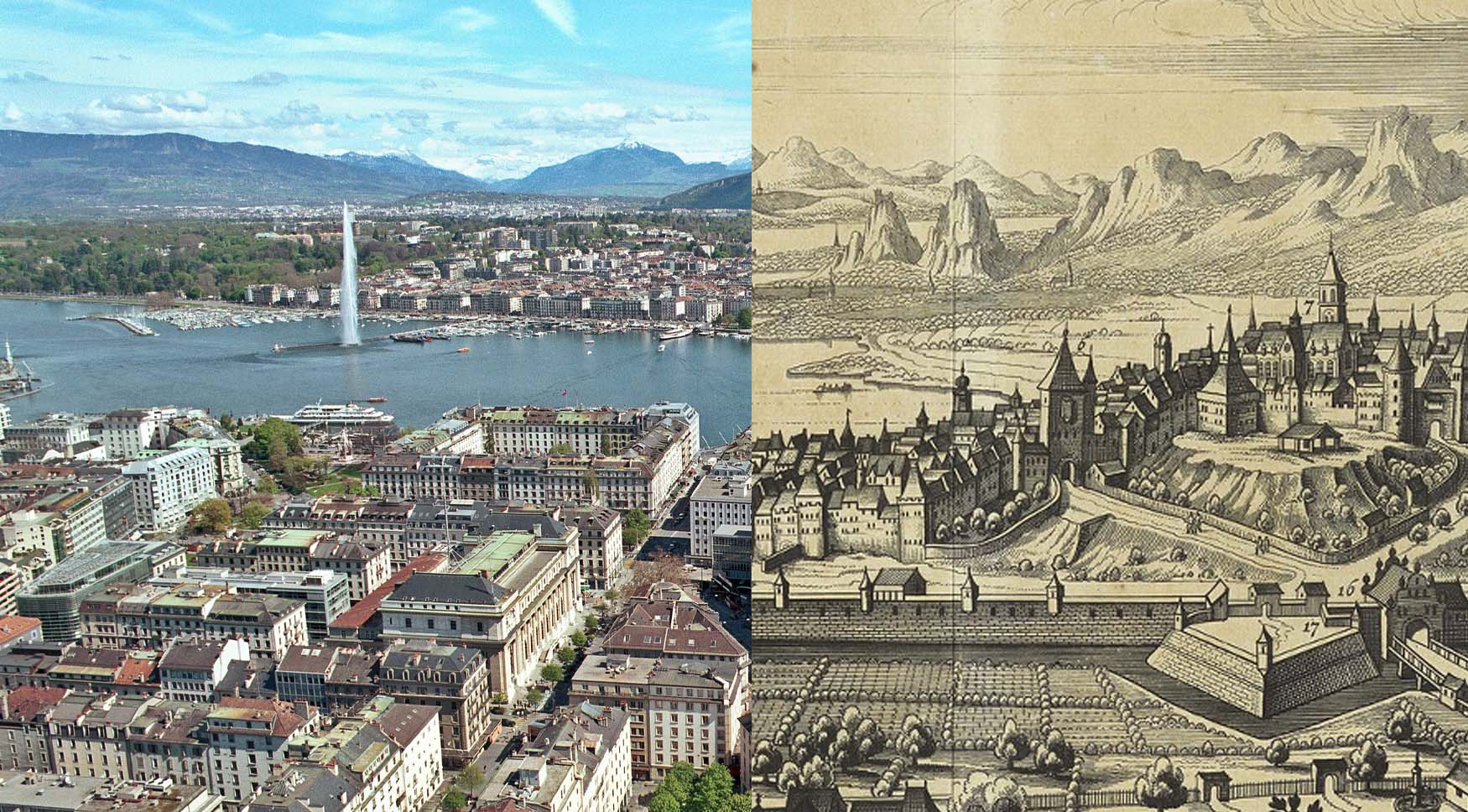
The push to maintain higher speed limits is framed against a backdrop of systemic traffic woes. Geneva, Switzerland’s second-largest city, is frequently cited for its congested road networks. The severity of the issue is highlighted by data from the 2025 Traffic Index published by GPS navigation company TomTom, which found that motorists in Geneva spend an average of 141 hours sitting in traffic during peak hours according to reporting on the city’s traffic woes.
For the cantonal parliament, the link between speed limits and congestion is clear: by preventing the proliferation of slow zones, the city can potentially increase the volume and speed of traffic moving through the canton.
What Happens Next
Although the petition has successfully blocked the immediate implementation of the law, the final outcome now rests with the electorate. The specific date for the referendum has not yet been set by authorities.
The result of the vote will serve as a significant indicator of whether Geneva prioritizes the efficiency of vehicle throughput or the safety and environmental standards associated with slower urban speed limits.
We will continue to monitor the situation for the announcement of the referendum date. Please share your thoughts on urban speed limits in the comments below.