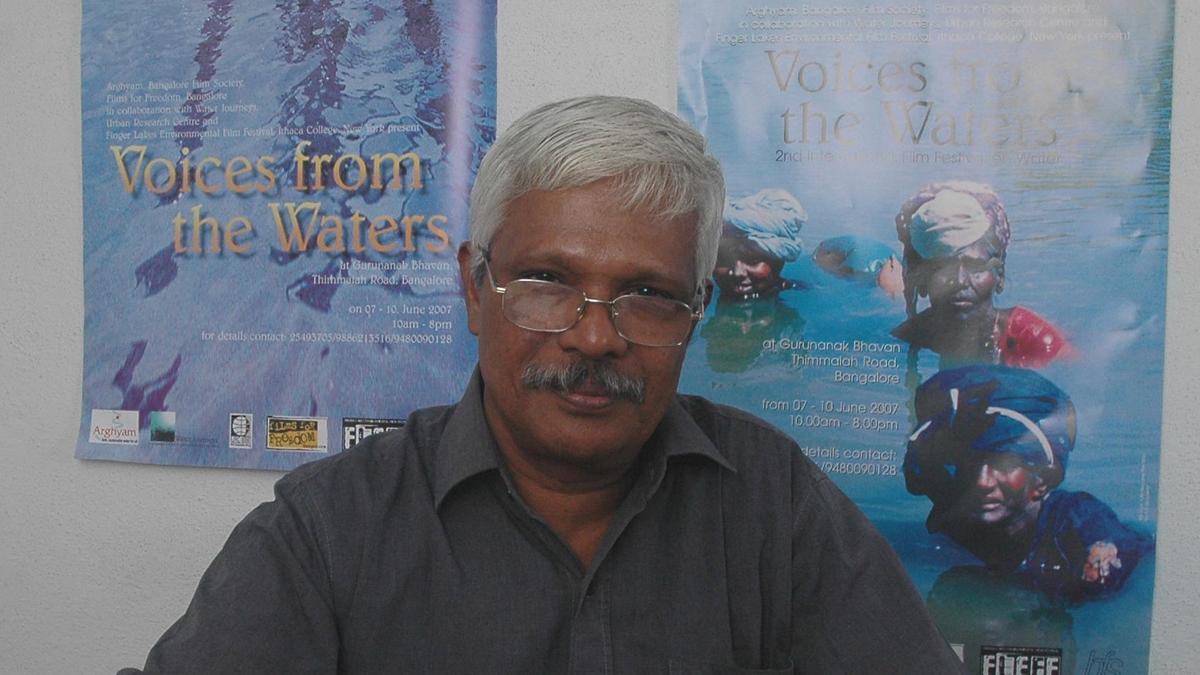
George Kutty, a revered figure in Bengaluru’s cinematic landscape and the long-time editor of the influential film journal Deep Focus, passed away on Monday, April 21, 2026, following a brief illness. His death marks the finish of an era for the city’s film society movement, which he helped shape over several decades through relentless advocacy for socially relevant and parallel cinema.
As the driving force behind the Bangalore Film Society (BFS), Kutty was instrumental in bringing thought-provoking Indian and international films to audiences who sought alternatives to mainstream commercial offerings. His work extended beyond screenings; as editor of Deep Focus, he cultivated a platform for serious cinema writing that influenced critics, filmmakers, and academicians across South India.
Tributes poured in from cultural figures who described Kutty not just as an organizer but as an activist of cinema. “His demise is a big loss to the cultural ecosystem of the city,” said N. Vidyashankar, senior film critic and author, emphasizing Kutty’s commitment to screening films with socially relevant themes. Others highlighted his role in nurturing the parallel cinema movement in South India, noting how he provided space for directors working outside the commercial mainstream.
Born and based in Bengaluru, Kutty’s involvement with the Bangalore Film Society began in its formative years. Over time, he rose to serve as its secretary, a position from which he coordinated regular screenings, discussions, and festivals that became fixtures in the city’s cultural calendar. The society, under his stewardship, became known for selecting films that addressed pressing social issues — from caste and gender inequality to political dissent and environmental concerns.
Through Deep Focus, Kutty extended this mission into print. The magazine, which he founded and edited for years, became a nationally recognized publication known for its incisive essays, interviews, and reviews. Unlike glossy film magazines focused on celebrity gossip, Deep Focus prioritized aesthetic analysis and ideological depth, earning respect in academic and artistic circles.
His efforts were not limited to exhibition and publishing. Kutty frequently collaborated with filmmakers, academics, and grassroots organizations to utilize cinema as a tool for dialogue and awareness. He believed strongly in the power of film to reflect societal realities and inspire change — a conviction that guided every initiative he undertook.
In recent years, despite declining health, Kutty remained engaged with the film society’s activities, attending screenings and offering mentorship to younger organizers. His passing has left a void in Bengaluru’s alternative cinema community, where he was seen as both a pillar and a guiding light.
Funeral arrangements were handled privately by his family, though a public memorial is being planned by colleagues from the Bangalore Film Society and contributors to Deep Focus. Details about the event are expected to be announced in the coming days through official channels associated with the organization.
The loss of George Kutty is felt deeply not only in Bengaluru but across India’s film culture networks, where his name is synonymous with dedication to meaningful cinema. As tributes continue to emerge, many are reflecting on his legacy: a life devoted to ensuring that films with substance — not just spectacle — had a place to be seen, discussed, and cherished.
For updates on the memorial service and tributes in honor of George Kutty, readers are encouraged to follow official announcements from the Bangalore Film Society and Deep Focus publications.
Share your memories of George Kutty and his contributions to film culture in the comments below. Let’s preserve his legacy alive by continuing to support cinema that matters.
Worth a look