As spring unfolds across much of the Northern Hemisphere, public health officials are raising concerns about a potential surge in tick activity and associated illnesses in 2026. The Centers for Disease Control and Prevention (CDC) has reported that weekly emergency room visits for tick bites have reached their highest level for this time of year in at least a decade, signaling an early and intense start to what experts warn could be another challenging year for Lyme disease and other tick-borne conditions.
This trend aligns with seasonal forecasts indicating favorable conditions for tick populations, driven by milder winters and increased humidity in many regions. While the exact number of projected Lyme disease cases for 2026 remains under analysis, historical patterns suggest that elevated tick bite reports often precede rises in diagnosed infections. The CDC continues to emphasize that early detection and preventive measures are critical in reducing the risk of long-term complications from tick-borne illnesses.
Bradley Blackburn, a correspondent for CBS News, has been covering the growing public health concern, highlighting practical steps individuals can take to minimize exposure. His reporting underscores the importance of personal vigilance during peak tick season, particularly in wooded, grassy, or brushy areas where ticks are most commonly found.
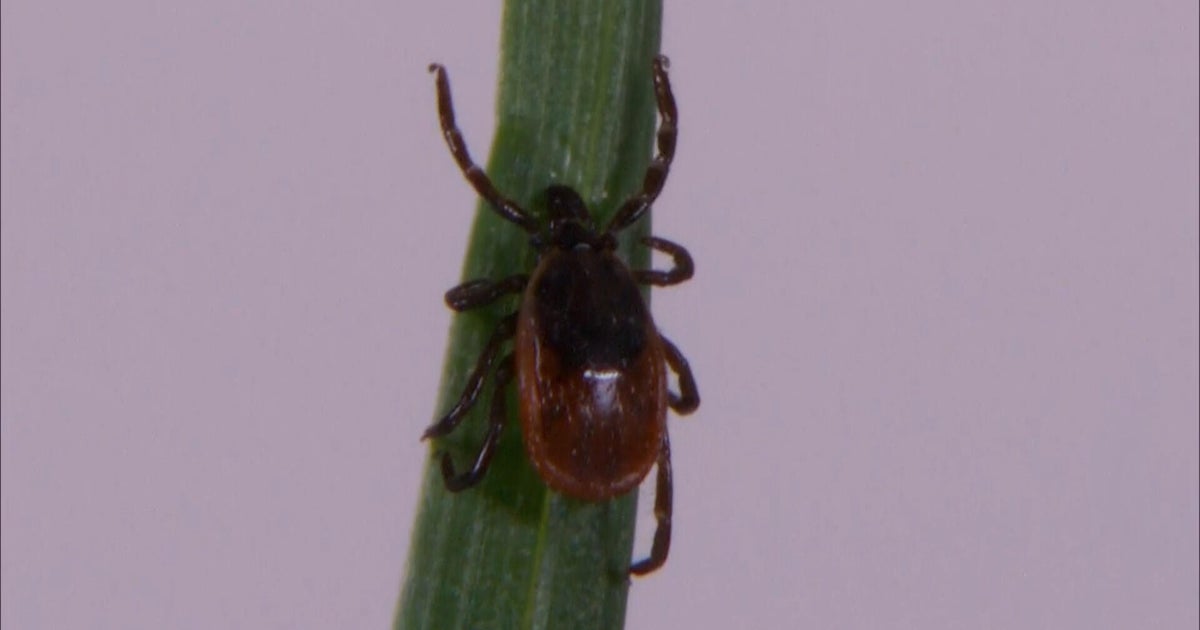
Lyme disease, caused by the bacterium Borrelia burgdorferi and transmitted primarily through the bite of infected black-legged ticks (also known as deer ticks), remains the most frequently reported vector-borne illness in the United States. According to the CDC, typical symptoms include fever, headache, fatigue, and a characteristic skin rash called erythema migrans. If left untreated, infection can spread to joints, the heart, and the nervous system.
To verify the current status of tick-borne disease surveillance, the CDC maintains real-time data through its National Notifiable Diseases Surveillance System (NNDSS), which aggregates reports from state and local health departments. This system allows officials to monitor trends and respond to outbreaks with targeted public health messaging.
Preventive strategies recommended by health authorities include using Environmental Protection Agency (EPA)-registered insect repellents containing DEET, picaridin, or IR3535; treating clothing and gear with products containing 0.5% permethrin; performing full-body tick checks after spending time outdoors; and showering within two hours of coming indoors to help wash off unattached ticks.
For those who find a tick attached to their skin, the CDC advises using fine-tipped tweezers to grasp the tick as close to the skin’s surface as possible and pulling upward with steady, even pressure. After removal, the bite area and hands should be cleaned with rubbing alcohol or soap and water. The agency does not recommend using folklore remedies such as nail polish, petroleum jelly, or heat to detach ticks.
In addition to Lyme disease, black-legged ticks can transmit other pathogens responsible for conditions like anaplasmosis, babesiosis, and Powassan virus disease. While less common, these illnesses can also lead to serious health outcomes, particularly in older adults or individuals with weakened immune systems.
Geographic risk varies significantly, with the highest incidence of Lyme disease historically concentrated in the Northeast, mid-Atlantic, and upper Midwest regions of the United States. However, expanding tick habitats due to climate change and land use patterns have led to reported cases in areas previously considered low-risk, prompting broader public awareness efforts.
Research into vaccines and improved diagnostics continues, though no human vaccine for Lyme disease is currently available in the U.S. Market. Several candidates are in various stages of clinical testing, including a monoclonal antibody prophylactic under investigation that aims to provide seasonal protection.
Public health agencies stress that community-level interventions—such as managing deer populations, reducing rodent habitats near homes, and applying targeted acaricides in high-risk zones—can complement individual prevention strategies. Homeowners are encouraged to create tick-safe zones by clearing leaf litter, keeping lawns mowed, and placing wood chips or gravel between wooded areas and recreational spaces.
As monitoring continues throughout the spring and summer months, the CDC advises the public to stay informed through official channels, including its website and state health department updates. Real-time data on tick-borne disease activity is accessible via the CDC’s Tickborne Diseases Surveillance Data portal, which provides weekly summaries and interactive maps.
For individuals seeking guidance on tick removal, symptom recognition, or when to seek medical care, the CDC offers detailed, evidence-based resources online. Healthcare providers are reminded to consider tick-borne illnesses in patients presenting with flu-like symptoms during peak season, especially if there is a history of outdoor exposure.
The next official update on national tick-borne disease trends is expected from the CDC in late summer 2026, following the peak transmission period. Until then, health officials urge continued vigilance and proactive protection against tick bites as the most effective defense against Lyme disease and related illnesses.
Readers are invited to share their experiences or questions about tick prevention in the comments below. If you found this information helpful, please consider sharing it with others who may benefit from increased awareness as outdoor activities increase with the warmer weather.
Worth a look