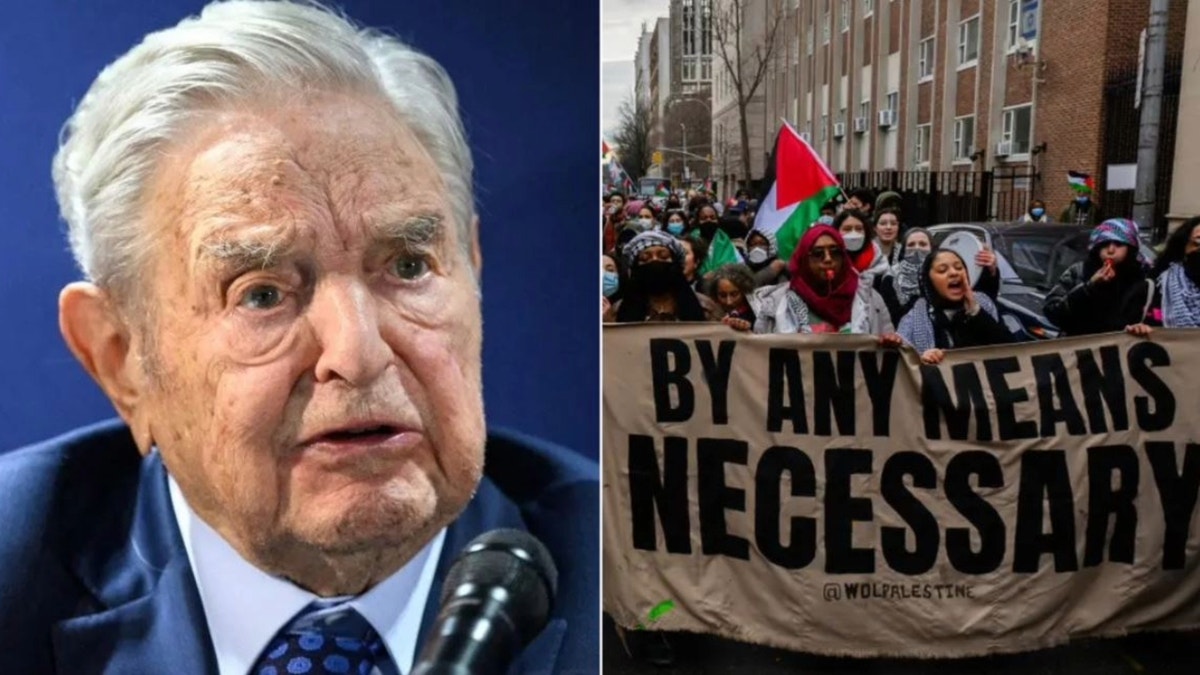
Italian political tensions have flared once again over allegations of foreign funding, with Defence Minister Guido Crosetto’s ally Galeazzo Bignami directly challenging Riccardo Magi of the +Europa party regarding financial ties to Hungarian-American philanthropist George Soros. The exchange occurred during a televised debate where Bignami questioned the legitimacy of accepting lessons on national sovereignty from those who, he claimed, receive funding from Soros-linked organisations. This latest confrontation underscores the deepening ideological divide in Italy’s political landscape, particularly concerning perceptions of external influence on domestic policy debates.
The core of the dispute centres on accusations from Italy’s right-wing factions that certain centre-left and liberal politicians have benefited from financial support channeled through the Open Society Foundations, Soros’ global grant-making network. Bignami, a member of Brothers of Italy (FdI) and close associate of Defence Minister Crosetto, framed the criticism as a matter of national dignity, suggesting that accepting such funds compromises the ability to critique other forms of international engagement, such as Italy’s purported ties to Elon Musk’s SpaceX. His remarks echoed broader sentiments within the governing coalition, which has frequently portrayed Soros as a symbol of detrimental globalist interference in sovereign affairs.
In response, Magi defended the transparency and legality of any financial support received, asserting that +Europa has consistently declared electoral funding from Soros-affiliated entities in compliance with Italian transparency laws. He countered that the real issue lies not in the existence of such funding but in the selective outrage displayed by political opponents who, he argued, ignore similar patterns of influence when it aligns with their ideological preferences. Magi’s stance reflects a broader defence among some Italian liberal and progressive figures who argue that engagement with international philanthropic networks is a legitimate part of democratic pluralism.
The controversy is not isolated but forms part of a recurring pattern in Italian political discourse, where allegations of Soros-linked financing periodically resurface during heightened electoral or policy debates. Previous instances have seen figures from parties such as the Democratic Party (PD) and Italia Viva also face scrutiny over alleged connections, though concrete evidence of direct, illicit funding has rarely been substantiated in official investigations. Italian electoral law requires transparent reporting of political donations, and authorities have not, to date, sanctioned any major party for violations specifically tied to Soros-related contributions.
What distinguishes this latest exchange is its timing and platform — occurring amid renewed public debate over Italy’s strategic autonomy in technology and defence sectors. References to Musk and SpaceX by critics like Meloni and Crosetto have been met with denials from both the Italian government and the companies involved, who state no formal contracts exist for satellite communications services. Nevertheless, the perception of alignment with certain foreign tech figures has become a rhetorical device in parliamentary debates, used by both sides to question each other’s geopolitical loyalties.
Verifiable records show that George Soros, through his Open Society Foundations, has funded various civil society initiatives across Europe, including in Italy, focusing on areas such as migration reform, judicial independence, and LGBTQ+ rights. These grants are publicly disclosed by the foundations and typically awarded to non-governmental organisations rather than directly to political parties. However, Italian law does allow for indirect influence through issue-based advocacy, a nuance that often complicates public interpretations of financial flows in politics.
The broader context includes ongoing European Union-wide discussions about foreign influence in democratic processes, particularly following revelations of social media manipulation and targeted disinformation campaigns. While Soros has been a frequent target of conspiracy theories alleging coordinated global control, fact-checking organisations and investigative journalists have consistently found no evidence to support claims of clandestine political manipulation through funding networks. Instead, analyses suggest that much of the controversy stems from ideological opposition to the progressive causes his foundations tend to support.
As of the latest available information, no judicial inquiries in Italy have resulted in charges related to Soros-linked funding of political parties. The Antimafia Investigation Directorate (DIA) and financial police units periodically monitor for illicit foreign interference, but public reports indicate their focus remains primarily on organised crime and corruption rather than ideological funding disputes. Transparency International Italia has noted that while Italy’s political financing laws meet basic international standards, enforcement gaps and low public awareness of donation registries limit accountability.
The exchange between Bignami and Magi highlights a fundamental disagreement over what constitutes legitimate political engagement in a globalised world. For critics on the right, any association with Soros represents a breach of patriotic duty; for defenders on the centre-left, such engagement reflects participation in a transnational civil society committed to democratic values. Until concrete evidence of illegality emerges, the debate remains firmly in the realm of political rhetoric rather than prosecutable matter.
Looking ahead, the next formal opportunity for clarification on political financing in Italy will come with the submission of annual party financial reports to the Court of Auditors, scheduled for mid-year review. These filings, which are made publicly accessible, offer the most reliable source for verifying claims about donation sources and amounts. Observers recommend consulting the official portal of the Italian Chamber of Deputies’ transparency section for real-time updates on electoral finance disclosures.
For readers seeking to understand the nuances of political funding in Italy, official sources such as the Ministry of the Interior’s electoral commission website and the Court of Auditors’ public database provide authoritative, up-to-date information. Engaging with these primary records allows for informed assessment beyond the rhetoric of televised debates, grounding discussions in verifiable data rather than partisan assertion.
Stay informed, verify claims through official channels, and contribute to a political discourse rooted in transparency and evidence.
Worth a look