
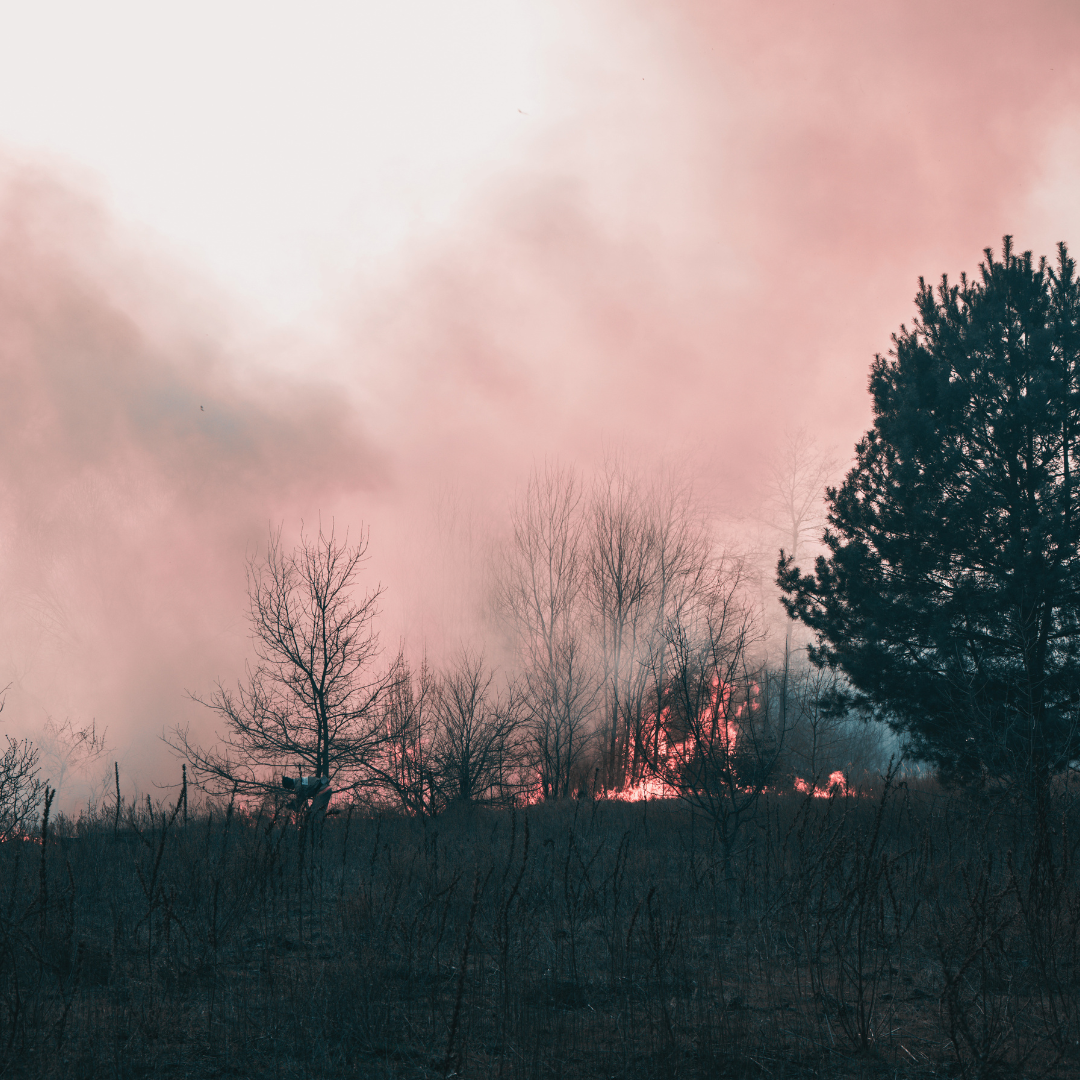
Protect Your Health from Wildfire Smoke: Essential Guidance for Coastal Georgia and Beyond
As wildfires continue to burn across parts of the southeastern United States, residents in coastal Georgia—and communities worldwide facing similar threats—are confronting a growing public health concern: the dangers of wildfire smoke. The Coastal Health District of Georgia, which serves eight counties including Chatham, Glynn and Effingham, has issued urgent advisories about the health risks posed by poor air quality, particularly for vulnerable populations such as children, the elderly, and those with preexisting respiratory conditions.
Wildfire smoke is more than just an inconvenience; it’s a complex mixture of gases and fine particles that can penetrate deep into the lungs, triggering asthma attacks, aggravating heart and lung diseases, and even increasing the risk of premature death. With climate change intensifying the frequency and severity of wildfires globally, understanding how to protect yourself and your family from smoke exposure has become a critical skill for communities in fire-prone regions—and those downwind of them.
This article provides science-backed strategies to minimize health risks, explains who is most vulnerable, and offers practical steps to stay informed during wildfire events. While the focus here is on coastal Georgia, the guidance applies to anyone living in areas affected by wildfire smoke, from the western U.S. To Australia, Canada, and beyond.
Why Wildfire Smoke Is So Dangerous
Wildfire smoke contains a hazardous cocktail of pollutants, including carbon monoxide, volatile organic compounds (VOCs), and particulate matter (PM). The most concerning component is PM2.5—fine particles measuring 2.5 micrometers or smaller—which can bypass the body’s natural defenses and lodge deep in the lungs or even enter the bloodstream. According to the U.S. Environmental Protection Agency (EPA), exposure to PM2.5 is linked to a range of health problems, from coughing and wheezing to heart attacks and strokes.

The Coastal Health District has emphasized that individuals with asthma, chronic obstructive pulmonary disease (COPD), heart disease, or diabetes are at heightened risk during smoke events. Pregnant women, infants, and young children are too particularly vulnerable due to their developing respiratory and immune systems. A 2019 study published in *The Lancet Planetary Health* found that short-term exposure to wildfire smoke can increase hospital admissions for respiratory issues by as much as 10% in affected communities.
Even healthy adults can experience symptoms such as stinging eyes, scratchy throat, headaches, and fatigue when exposed to smoke. The key to minimizing harm is reducing exposure as much as possible, especially during periods of poor air quality.
How to Protect Yourself and Your Family
The Coastal Health District and the Centers for Disease Control and Prevention (CDC) recommend a series of practical steps to limit exposure to wildfire smoke. These measures are especially significant for residents in the district’s eight counties—Bryan, Camden, Chatham, Effingham, Glynn, Liberty, Long, and McIntosh—but are applicable to anyone in a smoke-affected area.
1. Stay Informed About Air Quality
Monitoring local air quality is the first line of defense. The EPA’s AirNow.gov provides real-time air quality index (AQI) readings, including PM2.5 levels, for communities across the U.S. The Coastal Health District also shares updates on its website and social media channels. When the AQI reaches “unhealthy” levels (151–200), everyone should limit outdoor activities, and those in sensitive groups should avoid prolonged exposure entirely.
2. Create a Clean Indoor Environment
Keeping indoor air as clean as possible is crucial during smoke events. The CDC advises the following:
- Retain windows and doors closed. This prevents smoke from entering your home. Use fans or air conditioning to circulate air, but set the system to recirculate mode to avoid drawing in outdoor air.
- Use air purifiers. Portable air cleaners with HEPA filters can significantly reduce indoor PM2.5 levels. If you don’t have an air purifier, consider creating a DIY version using a box fan and a furnace filter, as recommended by the EPA.
- Avoid activities that increase indoor pollution. Refrain from smoking, burning candles, or using gas stoves, as these can worsen indoor air quality.
3. Limit Outdoor Exposure
When air quality is poor, outdoor activities should be minimized, especially for vulnerable groups. If you must travel outside:
- Wear a well-fitted N95 or KN95 mask. These masks can filter out fine particles, but they must fit snugly to be effective. Cloth masks and surgical masks do not provide adequate protection against PM2.5.
- Avoid strenuous activities. Exercise increases your breathing rate, which means you inhale more pollutants. Postpone outdoor workouts, yard work, or other physically demanding tasks until air quality improves.
- Check on vulnerable neighbors. Older adults, individuals with chronic illnesses, and those without air conditioning may require assistance staying cool and safe indoors.
4. Prepare for Evacuation if Necessary
While smoke itself doesn’t typically require evacuation, wildfires can spread rapidly, and local authorities may issue orders if the situation escalates. The Coastal Health District recommends having an emergency kit ready, including:
- N95 or KN95 masks for each family member
- Medications and medical supplies
- Bottled water and non-perishable food
- A battery-powered or hand-crank radio for updates
- Important documents in a waterproof container
Who Is Most at Risk?
While wildfire smoke can affect anyone, certain groups are more susceptible to its harmful effects. The Coastal Health District has identified the following populations as high-risk:
- People with respiratory conditions: Asthma, COPD, and other lung diseases can be severely aggravated by smoke exposure. The American Lung Association warns that even short-term exposure can trigger asthma attacks and bronchitis.
- Individuals with heart disease: Smoke can increase the risk of heart attacks and strokes, particularly in older adults. A 2018 study in *Circulation* found that wildfire smoke exposure was associated with a 7% increase in cardiovascular hospitalizations.
- Children and infants: Their lungs are still developing, and they breathe more air per pound of body weight than adults, making them more vulnerable to pollutants.
- Pregnant women: Exposure to wildfire smoke has been linked to adverse pregnancy outcomes, including preterm birth and low birth weight, according to research published in *Environmental Health Perspectives*.
- Outdoor workers: Construction workers, agricultural laborers, and others who spend long hours outside are at higher risk of prolonged exposure.
Long-Term Health Effects and Climate Change
The health impacts of wildfire smoke extend beyond immediate symptoms. Long-term exposure to PM2.5 has been linked to chronic respiratory diseases, reduced lung function, and even cognitive decline. A 2021 study in *Nature Medicine* found that repeated exposure to wildfire smoke could accelerate the development of dementia in older adults.

Climate change is exacerbating the wildfire problem, with rising temperatures, prolonged droughts, and changing precipitation patterns creating ideal conditions for larger and more frequent fires. The Intergovernmental Panel on Climate Change (IPCC) has warned that wildfire risk is expected to increase globally, particularly in regions like the southeastern U.S., where warmer winters and earlier springs are extending the fire season.
For coastal Georgia, this means that wildfire smoke may become a more regular occurrence, rather than an occasional hazard. Public health officials are urging communities to adopt long-term strategies to mitigate risks, such as creating defensible spaces around homes, supporting controlled burns to reduce fuel loads, and investing in air quality monitoring infrastructure.
What to Do If You Experience Symptoms
If you or someone in your household experiences symptoms related to smoke exposure, the Coastal Health District advises the following steps:
- Mild symptoms: If you have a scratchy throat, watery eyes, or a mild headache, move indoors, drink plenty of water, and rest. Over-the-counter pain relievers and saline nasal sprays can help alleviate discomfort.
- Moderate to severe symptoms: Wheezing, shortness of breath, chest pain, or dizziness require immediate medical attention. Call your healthcare provider or seek emergency care if symptoms worsen.
- For those with asthma or COPD: Follow your asthma action plan or COPD management plan. Use rescue inhalers as prescribed, and contact your doctor if symptoms persist or worsen.
The Coastal Health District has also set up a hotline for residents with questions about wildfire smoke and health risks. You can reach them at (912) 230-9744 for guidance and resources.
Key Takeaways: Protecting Your Health from Wildfire Smoke
- Monitor air quality: Use tools like AirNow.gov to check local AQI levels and follow advisories from the Coastal Health District.
- Limit outdoor exposure: Stay indoors when air quality is poor, and wear an N95 or KN95 mask if you must go outside.
- Create a clean indoor environment: Keep windows closed, use air purifiers, and avoid activities that increase indoor pollution.
- Know the symptoms: Be aware of signs of smoke-related health issues, such as coughing, wheezing, or shortness of breath, and seek medical attention if needed.
- Prepare for emergencies: Have an emergency kit ready, including masks, medications, and important documents.
- Protect vulnerable groups: Children, the elderly, and individuals with chronic illnesses are at higher risk and require extra precautions.
Looking Ahead: What’s Next for Coastal Georgia?
As of late April 2026, wildfires continue to burn in parts of Georgia and neighboring states, with no immediate end in sight. The Coastal Health District is closely monitoring the situation and will provide updates on its website and social media channels. Residents are encouraged to sign up for local alerts through the Georgia Emergency Management and Homeland Security Agency (GEMA) to stay informed about evacuation orders or other critical developments.
For those in coastal Georgia, the next few weeks will be critical as fire crews work to contain blazes and public health officials track air quality. In the meantime, taking proactive steps to reduce smoke exposure can help safeguard your health and that of your loved ones.
Have you or someone you know been affected by wildfire smoke? Share your experiences and tips in the comments below, and don’t forget to share this article with friends and family who may be at risk. Stay safe, and stay informed.