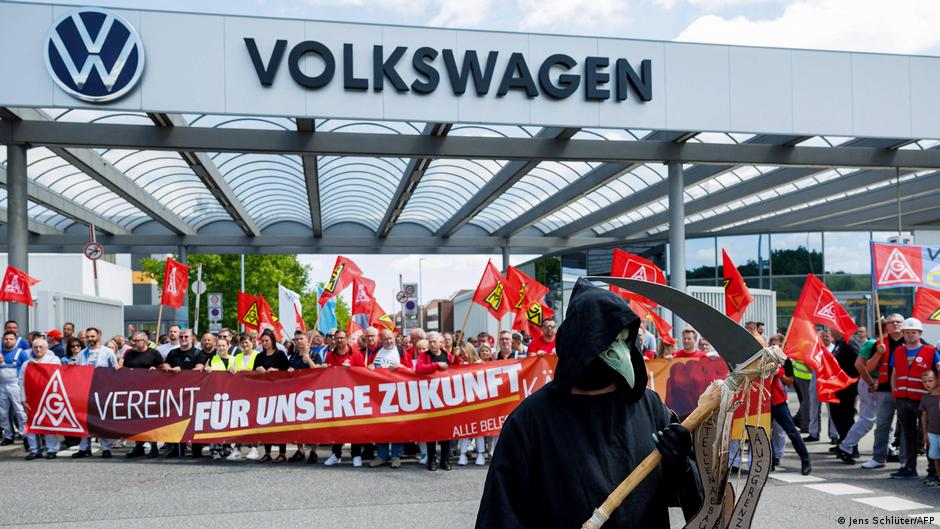
The German automotive industry is facing a profound structural crisis, with major manufacturers moving from resilience to deep workforce reductions and strategic restructuring. Bayerische Motoren Werke AG (BMW) announced plans to cut approximately 8,000 jobs globally by the end of 2027, according to recent corporate reports and financial filings. As high production costs collide with cooling demand in key international markets, particularly China, the historic manufacturing powerhouse of Europe is being forced to rethink operations from the factory floor to software development.
For decades, Germany’s auto sector served as the undisputed engine of the nation’s export-driven economy. Today, however, high energy expenses, regulatory pressures, and intense competition from Chinese electric vehicle makers have eroded traditional profit margins. While competitors like Volkswagen and Mercedes-Benz signaled sweeping restructuring measures earlier, BMW’s workforce reduction marks a turning point, signaling that even the most resilient German luxury brands are no longer immune to the broader macroeconomic downturn.
The adjustment represents nearly five percent of the automaker’s worldwide workforce. Industry analysts note that the restructuring is not merely a cyclical correction but a fundamental adaptation to an evolving global market where software capabilities and cost efficiency dictate survival.
Workforce Reductions and Strategic Restructuring at BMW
The restructuring blueprint targets roughly 8,000 positions across BMW’s global operations by late 2027.
Alongside workforce reductions, BMW is overhauling its technological infrastructure. The company announced a strategic partnership to externalize key artificial intelligence development to Qualcomm, shifting internal resources toward core vehicle architecture and manufacturing execution. By outsourcing specialized software tasks, Munich aims to accelerate its digital transformation while reining in escalating research and development expenditures.
Financial analysts point out that these measures reflect mounting pressure on operating margins.
The China Factor and Global Market Pressures
A central catalyst for the current German automotive crisis is the shifting landscape in China. For years, the world’s largest car market served as an endless profit well for German luxury brands, absorbing hundreds of thousands of high-margin sedans and SUVs annually.
That dynamic has reversed sharply. Domestic Chinese manufacturers, backed by advanced domestic supply chains and aggressive pricing strategies, have captured significant market share in both internal combustion and new energy vehicle segments. Local brands have outpaced legacy European automakers in digital cockpit design, autonomous driving features, and battery cost efficiency.
At the same time, trade tensions and shifting tariff regimes in the United States and Europe have complicated global supply chains. Automakers are caught between the necessity of localizing production inside major trade blocs and the prohibitive cost of maintaining redundant manufacturing footprints.
Broader Industry Ripple Effects Across Germany
BMW’s announcement underscores a broader trend sweeping Germany’s industrial core. Volkswagen has faced intense internal debate over plant closures and wage cuts across its domestic facilities, while automotive suppliers large and small report mounting financial distress.
What are your thoughts on how legacy automakers are handling the transition to electric vehicles? Join the conversation in the comments below.
Keep reading
- Massive Tank Refueling Costs $435,000 According to Report
- Diverse Expert Witnesses Testify at High-Profile Weekly Hearings
- Dentist Warning on Market Crash: Why Hospitals Suffer During Dips (world-today-news.com)
- OAG Investigation Finds Kalshi Prediction Market Is Illegal Gambling Operation (newsdirectory3.com)