Mastering german Waste Separation: A Guide for Residents
Successfully navigating GermanyS waste separation system is crucial for responsible living and avoiding unwanted costs. It can seem daunting at first, but understanding the rules will quickly become second nature. This guide will equip you with the knowledge to confidently manage your household waste and contribute to a sustainable habitat.
Why is Waste Separation So Vital in Germany?
Germany places a high value on environmental protection and resource conservation. Effective waste separation is a cornerstone of this commitment, enabling high recycling rates and reducing landfill waste. Properly sorting your trash isn’t just good for the planet; it can also protect your wallet.
Common Sorting Categories – What Goes Where?
Understanding the core categories is the first step. Here’s a breakdown of what typically goes into each bin:
* Paper (Altpapier): Newspapers, magazines, cardboard boxes (flattened), and paper packaging belong here. Ensure all materials are dry and free of food residue.
* plastic & metal (Gelbe tonne/Sack): This is the “Yellow Bin” or “Yellow Bag.” It accepts most plastic packaging, aluminum cans, metal food containers, and empty spray cans. Remember to rinse containers before disposal.
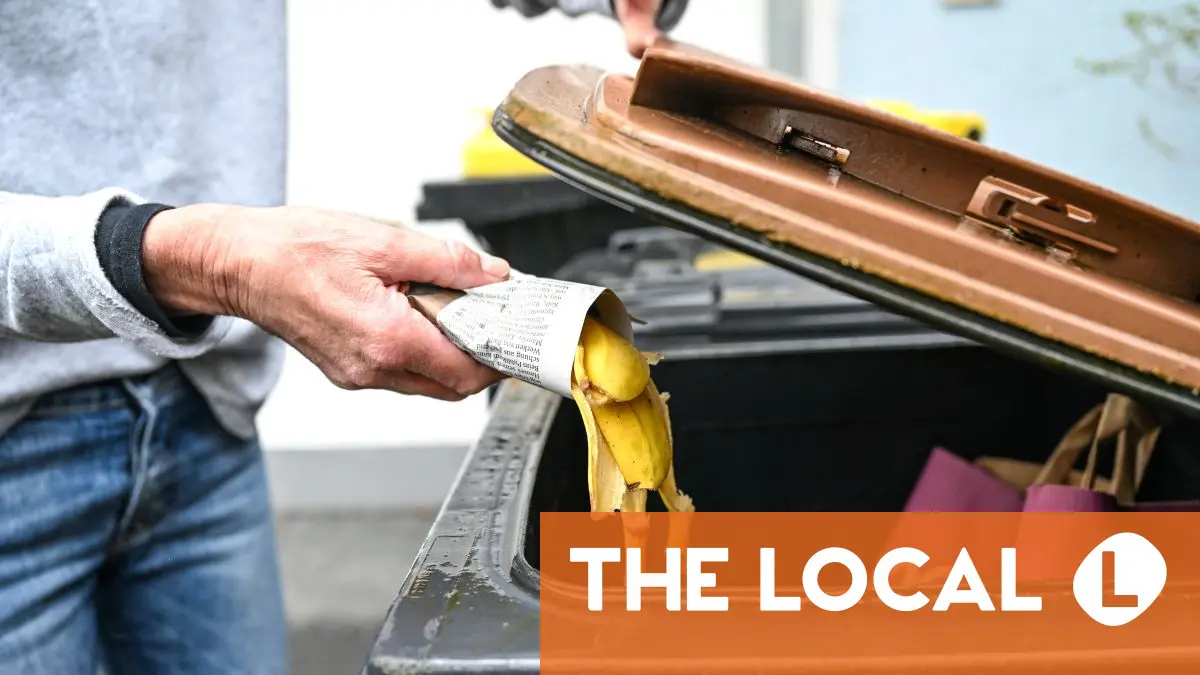
* Organic Waste (Bioabfall): Fruit and vegetable scraps,coffee grounds,tea bags,and yard waste are all suitable for the organic waste bin. avoid putting cooked food, meat, or dairy products in this bin.
* Residual Waste (Restmüll): Anything that doesn’t fit into the above categories goes here. This includes soiled paper,disposable diapers,and non-recyclable plastics.
* Glass (Glascontainer): Separate glass by color – green, brown, and clear – and deposit it in the designated glass containers.Remove lids and caps before recycling.
avoiding Common Mistakes & Potential Fines
Improperly sorted waste can lead to fines, especially in apartment buildings where the landlord is ultimately responsible. Here are some common pitfalls to avoid:
* contamination: Mixing incorrect materials in a bin can render the entire batch unrecyclable.
* Plastic Bags in the Yellow Bin: Never put your recyclables in a plastic bag when using the Yellow Bin. They need to be loose.
* Ignoring Local Regulations: Waste management rules can vary slightly between municipalities. Always check your local guidelines.
Addressing Waste Separation Challenges in Apartment Buildings
Large apartment buildings often face unique challenges with waste separation.It can be challenging to pinpoint who is responsible for incorrectly sorted waste.
Here are some proactive steps you can take:
* Clear signage: Advocate for clear, visually appealing signs near each bin, illustrating what goes where.
* Communicate with Neighbors: Encourage open dialog and cooperation among residents.
* Lead by Example: Consistently and correctly sort your own waste to set a positive example.
The Environmental Impact: Why Your Efforts Matter
Keeping organic waste out of landfills is especially important. When food waste decomposes in landfills, it produces methane, a potent greenhouse gas.By composting or properly disposing of organic waste, you’re actively reducing your carbon footprint and contributing to a healthier planet.
Taking the time to understand and implement proper waste separation practices is a small effort with a significant impact. You’ll be contributing to a more sustainable future while also protecting yourself from potential costs.
Districts Mentioned (for informational purposes – not a ranking):
* Main-Kinzig district
* Schmalkalden Meiningen
* Wetteraukreis
* Witten (Ennepe-Ruhr-Kreis)
* Alb-Donau-Kreis
* District of Alzey-Worms
* Aschaffenburg
* District of Aschaffenburg
* District of Böblingen
* District of Ebersberg
* Kaiserslautern
* District of Kaiserslautern
* Ulm
Worth a look