A Historic Visit to Guernica: Germany Confronts its Past as Extremism Rises
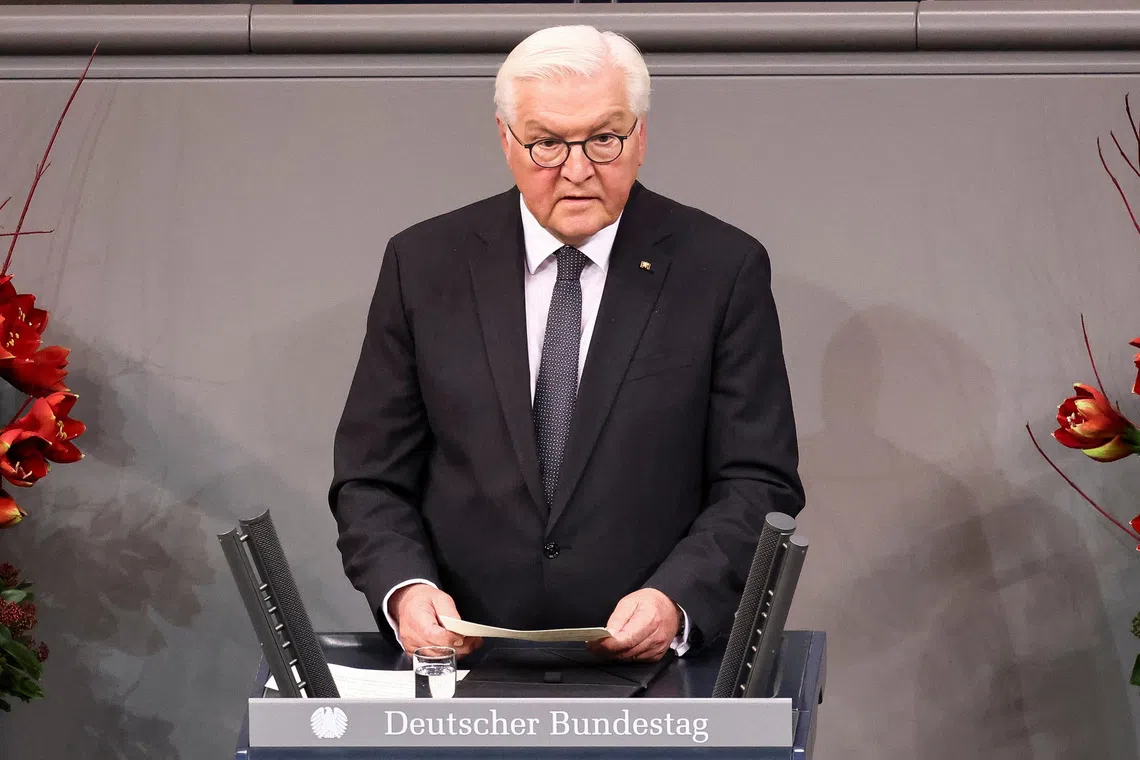
Madrid, Spain – November 28, 2025 – In a deeply symbolic act of remembrance and a pointed message for the present, German President Frank-Walter Steinmeier became the first German head of state to visit Guernica, the Basque town forever scarred by the devastating Nazi bombing of April 26, 1937. This visit,occurring amidst a resurgence of far-right sentiment in Germany,underscores the enduring weight of history and the critical need for vigilance against extremism.
The bombing of Guernica, carried out by Hitler’s Condor Legion in support of Francisco Franco’s forces during the Spanish Civil War, stands as one of the earliest examples of deliberate aerial bombardment targeting civilians. Luftwaffe chief Hermann Goering chillingly described it as a “test” for his young air force during the nuremberg trials. The attack, a brutal precursor to the horrors of World War II, remains a potent symbol of the devastating consequences of unchecked aggression.
A Solemn Remembrance
President Steinmeier, accompanied by Spain’s King Felipe and basque regional president Imanol Pradales, paid his respects at the cemetery housing the mausoleum dedicated to the hundreds of victims. The ceremony was notably poignant wiht the presence of two surviving witnesses to the bombing: Crucita Etxabe and mari Carmen Aguirre, both born in 1930 and mere children during the attack.
The emotional weight of the visit was palpable. Steinmeier’s earlier remarks at a gala dinner hosted by the King and Queen Letizia were direct and unflinching. He stated that Germans bear a “heavy burden of guilt in Guernica” and emphasized the importance of remembering this atrocity as “a warning to stand up for peace, freedom and the protection of human rights.” He specifically addressed his “compatriots in Germany,” urging them not to forget the crime committed by their predecessors.
Why This Visit Matters Now
This trip isn’t simply about acknowledging a ancient tragedy. it arrives at a critical juncture for germany, as the far-right Alternative for Germany (AfD) party gains traction in national polls and prepares for key state elections. The afd’s rising popularity is sparking intense debate about the boundaries of political cooperation and the potential normalization of extremist ideologies.
You might be wondering why a presidential visit to a decades-old event is relevant to current political anxieties. Here’s the connection:
* historical Awareness: Remembering the past is crucial to preventing its repetition. The horrors of Guernica serve as a stark reminder of the dangers of unchecked nationalism and ideological extremism.
* Presidential Leadership: Steinmeier, as a figure expected to transcend partisan politics, has taken a firm stance against right-wing extremism, even facing criticism from within the AfD for his warnings.
* Moral Duty: the visit reinforces Germany’s moral responsibility to confront its history and actively combat ideologies that threaten democratic values.
A Late Acknowledgment & Ongoing Scrutiny
For decades following World War II, successive German governments and military representatives were accused of downplaying the meaning of the guernica bombing. It wasn’t until 1997 that an official apology was offered to the basque people by then-German President Roman Herzog.
This delayed acknowledgment highlights the complexities of confronting national guilt and the challenges of historical revisionism. The visit by President Steinmeier represents a further step towards genuine reconciliation and a commitment to learning from the past.
Earlier in his three-day visit,President Steinmeier and Spanish Prime Minister Pedro Sanchez visited Pablo Picasso’s iconic painting “Guernica” at the Reina Sofia museum in Madrid. the painting, a powerful anti-war statement, serves as a lasting testament to the suffering inflicted upon the Basque town and a universal plea for peace.
Looking Ahead:
The visit to Guernica is more than a symbolic gesture. It’s a powerful statement about Germany’s commitment to its historical responsibilities and a warning against the dangers of extremism. As the AfD continues to gain influence, President Steinmeier’s actions serve as a crucial reminder that the lessons of the past must never be forgotten.
Sources:
* Reuters: [https://www.reuters.com/world/europe/german-president-visits-guernica-site-nazi-bombing-2023-11-28/](https://www.reuters.com/world/
Keep reading