London, United Kingdom – German shipping companies are increasing pressure on the federal government to strengthen diplomatic efforts to secure safe passage for commercial vessels through the Strait of Hormuz. The call comes amid ongoing concerns over attacks on shipping in the region and a recent decision by Chancellor Olaf Scholz to rule out direct German military involvement in protecting maritime traffic. The Verband Deutscher Reeder (VDR), representing German shipowners, argues that a purely military solution is not the answer, but that Germany must actively support international initiatives to safeguard crucial trade routes.
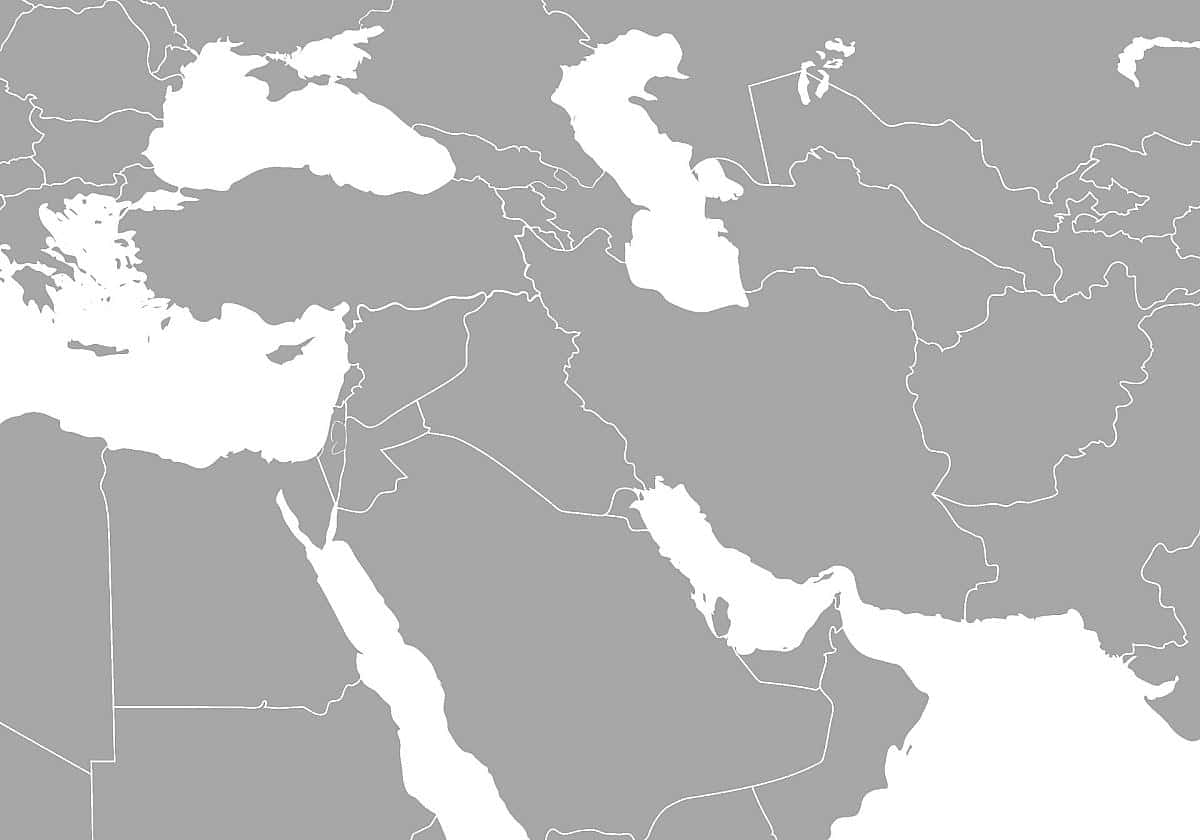
The Strait of Hormuz, a narrow waterway between Iran and Oman, is a vital chokepoint for global oil supplies, with roughly 20% of the world’s oil passing through it daily. Recent escalations in tensions in the Middle East, including attacks by Iranian-backed Houthi rebels in the Red Sea and the Gulf of Aden, have raised fears of disruptions to maritime trade. These disruptions have led to increased insurance costs and rerouting of vessels, adding to the economic strain on global supply chains. The VDR’s concerns reflect a broader anxiety within the shipping industry about the safety of crews and vessels operating in the region.
Diplomacy as the Priority
According to a report by the Stern, the VDR expressed its “bemusement” over Chancellor Scholz’s decision to decline participation in a military mission to protect shipping in the Strait of Hormuz. Martin Kröger, the VDR’s Managing Director, emphasized that the focus should be on bolstering international diplomatic efforts. “From our point of view, this is not about German military involvement, but about supporting international efforts to protect commercial shipping at least politically and diplomatically,” Kröger stated, as reported by the regionalheute.de. This position underscores a preference for de-escalation and a negotiated solution to the security challenges in the region.
The VDR’s call for diplomatic engagement aligns with the German government’s broader foreign policy approach, which prioritizes dialogue and multilateralism. Still, the shipowners’ association is also keen to ensure that the economic interests of Germany, a major trading nation, are protected. Approximately two-thirds of Germany’s imports and exports are transported by sea, making secure maritime routes essential for the country’s economic stability. As Kröger pointed out, “A reliable supply for the economy and population requires that those who enable trade by sea, often at considerable risk, are not left to fend for themselves.”
The Human Cost of Maritime Insecurity
The situation is particularly concerning for the approximately 1,000 German seafarers currently operating in the region, according to the VDR. The association reports that at least 30, and potentially more than 40, ships with German connections are currently in the affected area. North German Radio (NDR) reported that a Hapag-Lloyd vessel was struck in the Persian Gulf on Thursday, highlighting the real and present danger faced by crews. The VDR has urged the government to ensure the safety and well-being of these seafarers, stating that they “must not be left to fend for themselves” in this precarious situation.
The concerns extend beyond German-flagged vessels. Many German companies rely on ships registered in other countries to transport goods, and disruptions to global shipping routes impact the entire supply chain. The potential for further escalation, including a complete blockade of the Strait of Hormuz, poses a significant threat to international trade and could lead to higher prices for consumers worldwide. The VDR’s call for a diplomatic solution is therefore not only in the interest of German shipowners but also of the global economy.
EU’s Aspides Mission and Potential Expansion
The European Union has already launched Operation Aspides, a naval mission aimed at protecting commercial shipping in the Red Sea and the Gulf of Aden. However, the VDR has expressed skepticism about extending the mission to the Strait of Hormuz. According to NDR, German Foreign Minister Annalena Baerbock, representing the Free Democratic Party (FDP), has voiced doubts about the effectiveness of Aspides, even in its current area of operation. She suggested that the mission is “not effective” in the Red Sea, raising questions about its ability to provide meaningful security in the more challenging environment of the Strait of Hormuz.
The challenges in the Strait of Hormuz are multifaceted. The narrowness of the waterway, combined with the presence of Iranian naval forces and the potential for asymmetric warfare tactics, makes it a particularly vulnerable area. Any military intervention would carry significant risks of escalation and could potentially draw regional and international powers into a wider conflict. This is likely a key consideration for the German government in its decision to refrain from direct military involvement.
US Role and International Cooperation
Former US President Donald Trump previously indicated a willingness to collaborate with other nations to secure the Strait of Hormuz, stating that “many countries…will jointly send warships to keep it open and safe,” as reported by NDR. However, the current US administration’s approach remains focused on de-escalation and diplomatic engagement with Iran. The success of any international effort to protect shipping in the region will depend on the cooperation of all key stakeholders, including the United States, Iran, Saudi Arabia, and other regional powers.
The VDR’s appeal for a stronger diplomatic push underscores the complex challenges facing the international community in addressing the security concerns in the Strait of Hormuz. Even as military options may be considered, the shipowners’ association believes that a negotiated solution is the most sustainable way to ensure the safety of seafarers and the stability of global trade. The German government’s role, according to the VDR, should be to actively support and facilitate these diplomatic efforts.
Key Takeaways:
- German shipowners are urging the government to prioritize diplomatic solutions for securing the Strait of Hormuz.
- Approximately 1,000 German seafarers are currently operating in the region, facing increased risks.
- The VDR has expressed skepticism about the effectiveness of the EU’s Operation Aspides, even in its current scope.
- Securing safe passage through the Strait of Hormuz is crucial for Germany’s economy, as two-thirds of its trade relies on maritime routes.
The situation in the Strait of Hormuz remains fluid and requires careful monitoring. The German government is expected to continue evaluating the situation and considering its options in consultation with its international partners. The next key development to watch will be the outcome of ongoing diplomatic efforts and any potential adjustments to the EU’s Operation Aspides. Readers are encouraged to share their thoughts and perspectives on this critical issue in the comments below.