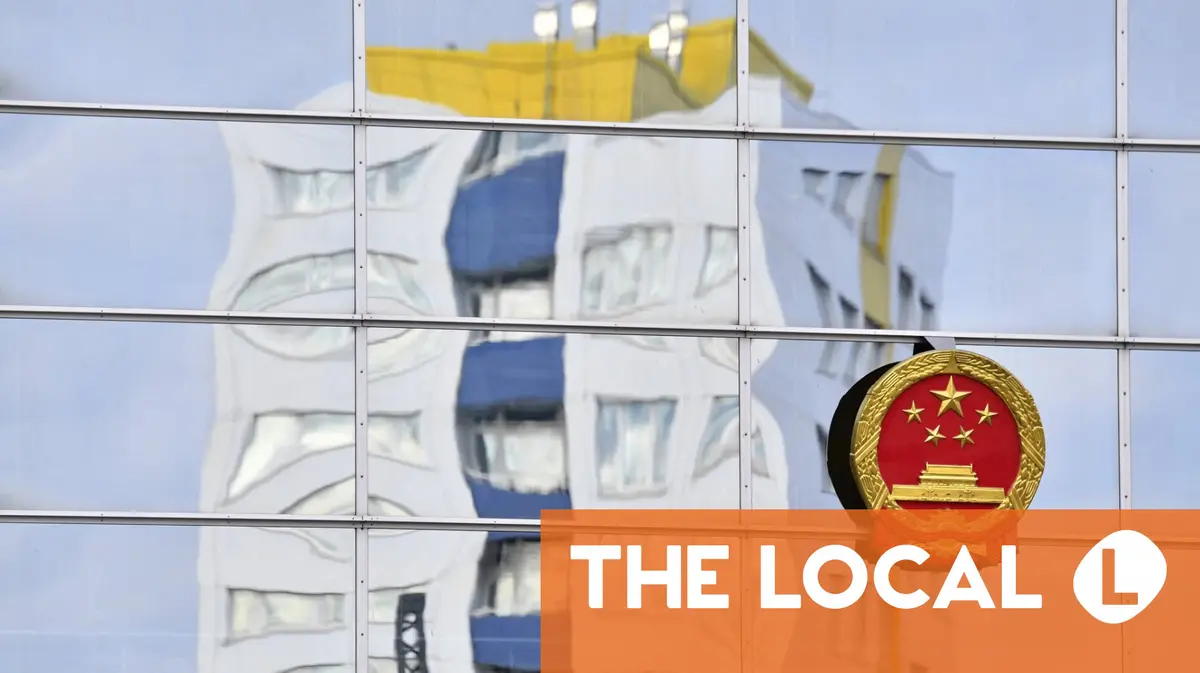
The German Federal Foreign Office summoned the Chinese ambassador to Berlin on Friday following media reports that Russian soldiers are undergoing training in China for potential deployment in the ongoing conflict in Ukraine. The diplomatic move reflects mounting concern in European capitals regarding the deepening military cooperation between Beijing and Moscow.
According to a spokesperson for the German Foreign Ministry, the ministry requested the meeting to address “urgent” reports concerning the alleged training of Russian military personnel on Chinese soil. While the ministry did not provide specific evidence during its initial announcement, the summons marks a notable escalation in Germany’s diplomatic stance toward Chinese involvement in the war, which began with the full-scale Russian invasion of Ukraine in February 2022, as documented by the United Nations.
Diplomatic Tensions and European Scrutiny
The decision to summon the ambassador comes amid a broader pattern of Western investigation into the supply chains supporting the Russian defense industry. European Union officials have previously expressed concern over the “dual-use” nature of goods exported from China to Russia, which can be utilized for both civilian and military applications. The current focus on direct human training represents a shift from the previous emphasis on hardware and components.

Under international law and the framework of EU sanctions, providing direct military support to a belligerent party in an active conflict carries significant political and economic risks. The German government, led by Chancellor Olaf Scholz, has maintained a policy of supporting Ukraine’s defense while attempting to navigate complex trade relations with China, its largest trading partner. This balancing act has become increasingly difficult as reports of Chinese-Russian military synchronization circulate in intelligence and media circles.
The Role of Dual-Use Technology and Cooperation
China has consistently maintained a position of neutrality regarding the conflict in Ukraine, stating that it does not provide lethal weapons to either side. However, the United States and several European nations have accused Beijing of providing critical support to Russia’s military-industrial base. According to a report from the U.S. Department of State, the deepening “no limits” partnership between Moscow and Beijing has facilitated the production of drones, missile components, and navigation equipment essential for Russian operations.
The reported training of personnel would, if verified, contradict Beijing’s stated stance of non-intervention. Analysts suggest that such training could involve specialized systems—such as advanced drone operation or electronic warfare—that require technical expertise beyond what is currently available within the Russian military. The German government’s action is viewed by geopolitical observers as a signal that the threshold for “acceptable” cooperation has been crossed.
What Happens Next
The immediate consequence of the summons is a formal diplomatic protest, which serves as a precursor to potential policy shifts within the European Union. Germany is expected to coordinate its response with other G7 nations and EU partners. The next checkpoint for this issue will likely occur during upcoming ministerial meetings in Brussels, where the European Council reviews the effectiveness of existing sanctions regimes against entities supporting Russia’s war effort, as outlined in the Council of the European Union guidelines.
As of late Friday, the Chinese embassy in Berlin had not issued a public statement regarding the details of the meeting or the specific allegations of troop training. The German Foreign Ministry has indicated that it expects a formal response from Beijing as part of the ongoing diplomatic dialogue. Further updates are expected as intelligence agencies continue to verify the scope of the reported military activities.
Readers interested in the official status of these diplomatic measures can monitor updates through the German Federal Foreign Office website. We invite our readers to share their perspectives on the shifting geopolitical landscape in the comments section below.