
The dream of homeownership in Germany is increasingly slipping out of reach for many, as a confluence of high interest rates, stagnant construction activity, and rising costs creates a significant hurdle for prospective buyers. With the housing sector facing a prolonged period of strain, industry leaders are warning that the decline in new residential development is not merely a statistical trend but a social issue that risks leaving a generation of citizens without access to stable, owned housing.
According to the latest economic assessments, the German housing market is currently navigating a period of sharp contraction. As of 2025, the volume of new residential construction projects has reached historic lows, a trend that experts attribute to a combination of high financing costs and complex regulatory environments. This environment has prompted leaders within the financial sector to voice concerns regarding the long-term impact on personal financial stability and the broader social fabric of the country.
The Current State of the German Housing Market
Germany, currently the largest economy in the European Union, is grappling with a housing shortage that has intensified over the last several years. Data from the Federal Statistical Office, Destatis, indicates that the sector is struggling to meet the demand for new living spaces as developers scale back on projects due to economic uncertainty. The combination of elevated construction costs and the restrictive lending environment has made the path to private property ownership significantly more difficult for average households.
For a country with a population of over 83 million, the ability to provide sufficient and affordable housing is a cornerstone of domestic policy. However, the current economic climate—characterized by a nominal GDP that remains among the highest globally—has not shielded the construction industry from the pressures of inflation and high interest rates. The European Central Bank’s monetary policy, which influences borrowing costs across the Eurozone, continues to play a critical role in shaping the viability of long-term mortgages for German citizens.
Economic Pressures and Social Consequences
The shift in the market has profound implications for financial planning. For many families, the decision to take on debt for a home is a life-defining moment. When that path is obstructed, it creates a ripple effect throughout the economy. Financial institutions and industry bodies have observed that the threshold for entering the property market has risen sharply, effectively excluding those without significant existing capital or support.
Official reports from the German government often highlight the need for structural reforms to boost housing supply. These include streamlining building permits and providing incentives for sustainable, energy-efficient construction. Despite these stated goals, the gap between the number of required units and actual completions remains wide. The current administration, led by Chancellor Friedrich Merz, faces the ongoing challenge of balancing fiscal responsibility with the urgent need to revitalize the construction sector.
What Lies Ahead for Prospective Homeowners
The outlook for the remainder of 2026 remains cautious. While some market analysts suggest that interest rate stabilization could eventually provide a floor for the market, the immediate prospect of a return to the low-cost borrowing environment of the previous decade is considered unlikely. Potential buyers are advised to monitor official updates from the Bundesbank and the Federal Ministry for Housing, Urban Development and Building, which provide regular guidance on market conditions and available support programs for first-time buyers.
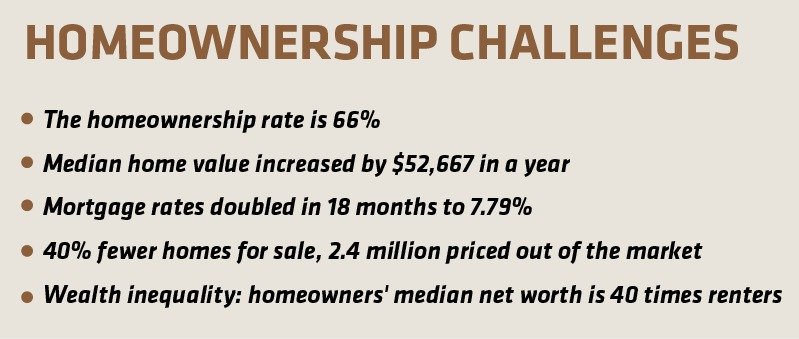
For those looking to enter the market, the importance of thorough financial preparation and an understanding of current lending mandates has never been greater. As the government continues to debate potential legislative adjustments to stimulate building activity, industry stakeholders are calling for more decisive action to ensure that homeownership remains a realistic goal for the middle class.
The next major update regarding housing policy and construction statistics is expected following the upcoming cabinet reviews on economic performance. We encourage our readers to share their perspectives on the current housing climate and how these economic shifts have impacted their own financial planning. Your comments and insights are welcome as we continue to track this essential issue.
Keep reading