The evolution of high-performance diesel engines represents a significant chapter in automotive engineering, marked by a relentless pursuit of torque, efficiency, and raw power. While the current global automotive landscape is shifting rapidly toward electrification, the history of the most powerful diesel engines ever produced remains a testament to the capabilities of internal combustion technology. From massive marine powerplants to high-output passenger vehicle engines, these machines have redefined what is possible with compression-ignition systems.
For decades, manufacturers pushed the boundaries of diesel technology, particularly in European markets where fuel efficiency and high torque outputs were prioritized. The quest for “the most powerful diesel” has often been a race between premium automakers, each looking to claim the title for the fastest or strongest engine in a production vehicle. This pursuit has led to engineering marvels that deliver performance figures once thought exclusive to high-displacement gasoline engines.
Engineering the Peak of Diesel Performance
The engineering philosophy behind high-output diesel engines is centered on forced induction and advanced fuel injection. By utilizing multiple turbochargers—often in sequential or twin-scroll configurations—engineers have managed to overcome the traditional power limitations of diesel fuel. These advancements are not merely about peak horsepower; they are about maintaining a broad, flat torque curve that provides immense pulling power across the entire rev range.
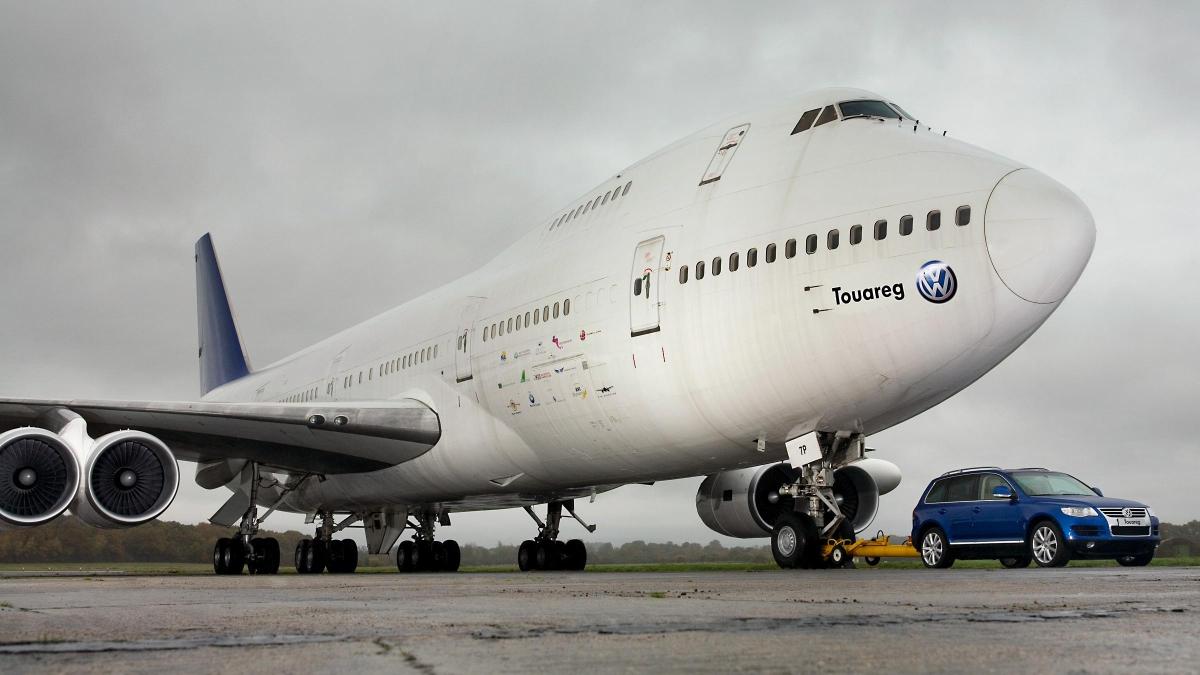
The demand for such engines has been particularly high in the luxury SUV and grand tourer segments. Buyers in these markets expect the refinement of a luxury vehicle combined with the effortless acceleration provided by high-torque diesel units. According to historical technical specifications provided by manufacturers, engines like the Audi 6.0-liter V12 TDI, which powered the Q7, set a benchmark by producing 500 horsepower and a staggering 1,000 Nm of torque. This engine remains a frequently cited example of how far diesel development reached during its peak in the late 2000s.
The Shift Toward Efficiency and Emissions Standards
As regulatory frameworks have tightened, the focus for diesel development has shifted from raw power to emissions compliance and sustainable efficiency. The introduction of increasingly stringent Euro-6 standards and similar global regulations has fundamentally changed how manufacturers approach diesel engine design. Today, the focus is on Selective Catalytic Reduction (SCR) systems and advanced particulate filtration to ensure that modern diesel power is as clean as it is capable.
The impact of these regulations on the market is clear. Many manufacturers have phased out high-displacement diesel engines in favor of hybrid-diesel powertrains or fully electric alternatives. This transition reflects a broader economic pivot within the industry. Data from the European Automobile Manufacturers’ Association (ACEA) highlights that the market share for diesel-powered passenger cars has seen a consistent decline over the past decade as consumer preferences and government incentives shift toward lower-emission vehicles [ACEA Fuel Types Report 2023].
What Defines the Most Powerful Diesels
When analyzing the most powerful diesel engines in history, it is essential to distinguish between production passenger vehicles and heavy-duty industrial applications. While a passenger car engine might push 400 to 500 horsepower, marine diesel engines, such as those produced by Wärtsilä, can generate over 100,000 horsepower. These massive engines operate on a completely different scale, utilizing low-speed, two-stroke combustion cycles to move container ships across the globe.
For the average automotive enthusiast, the “most powerful” title is usually reserved for the high-performance V8 and V12 engines found in luxury SUVs and sedans. These engines represent the pinnacle of consumer-grade engineering. They are characterized by:
- High-pressure common-rail injection systems that allow for precise fuel atomization.
- Variable geometry turbochargers that minimize lag and maximize boost pressure.
- Advanced thermal management systems that allow the engine to sustain high loads over long periods.
The Future of Diesel Technology
While the era of massive, multi-cylinder diesel engines in passenger cars is largely behind us, the technology continues to evolve in commercial and specialized sectors. Research into renewable diesel and synthetic fuels (e-fuels) is currently underway, aiming to provide a carbon-neutral way to continue utilizing existing diesel engine architectures. According to the International Energy Agency (IEA), the role of sustainable liquid fuels in heavy-duty transport remains a critical area of focus for meeting net-zero targets by 2050 [IEA Net Zero Roadmap].
For now, the legacy of the most powerful diesel engines stands as a reminder of an era when peak performance was measured by the sheer force of compression. As the industry moves toward a future defined by electrification, these engines will remain highly sought after by collectors and enthusiasts who value the unique driving experience that only a high-torque diesel can provide. The next official updates on the industry’s transition to alternative powertrains are expected in the upcoming quarterly reports from major automotive groups scheduled for later this year. We welcome your thoughts on the evolution of diesel power—please share your perspective in the comments section below.
Keep reading