Unveiling the Magic of Karneval: A deep dive into Germany’s fifth Season
Germany’s Carnival season, affectionately known as the “fifth season,” is a vibrant explosion of tradition, revelry, and cultural meaning. But beyond the colorful costumes and lively parades, lies a fascinating history and a unique set of customs. This guide will explore the origins, regional variations, and key events that define this beloved German celebration.
The Roots of Revelry: From Ancient Rituals to Modern Festivities
The word “carnival” itself offers a clue to its origins. It’s believed to stem from the Latin phrase carne vale, meaning “farewell to meat.” This points to a historical connection with the period of abstinence leading up to Lent.
However, another compelling theory suggests a link to the agricultural calendar. November 11th historically marked the end of the harvest season for farmers, transforming the celebrations into a second harvest festival – a final burst of joy before the quieter winter months.
The Significance of the Number 11
You’ll quickly notice the recurring importance of the number 11 throughout karneval. Sessions rarely begin on the hour,instead kicking off precisely at 11:11 AM. This tradition is further embodied by the Elferrat, or Council of Eleven, who lead the festivities.
This emphasis on “11” is deeply ingrained in the culture and adds a playful, symbolic layer to the celebrations.
November 11th: The official Start – But It Varies
While November 11th is widely recognized as the official start of Karneval, the extent of the celebrations varies substantially across Germany. Different regions have adopted unique names and traditions.
* Rhineland: known as Karneval.
* Bavaria & Saxony: Celebrated as Fasching.
* Hesse, saarland & Swabia: Called Fastnacht or Fasnet.
Let’s explore what happens on this pivotal date in some key cities:
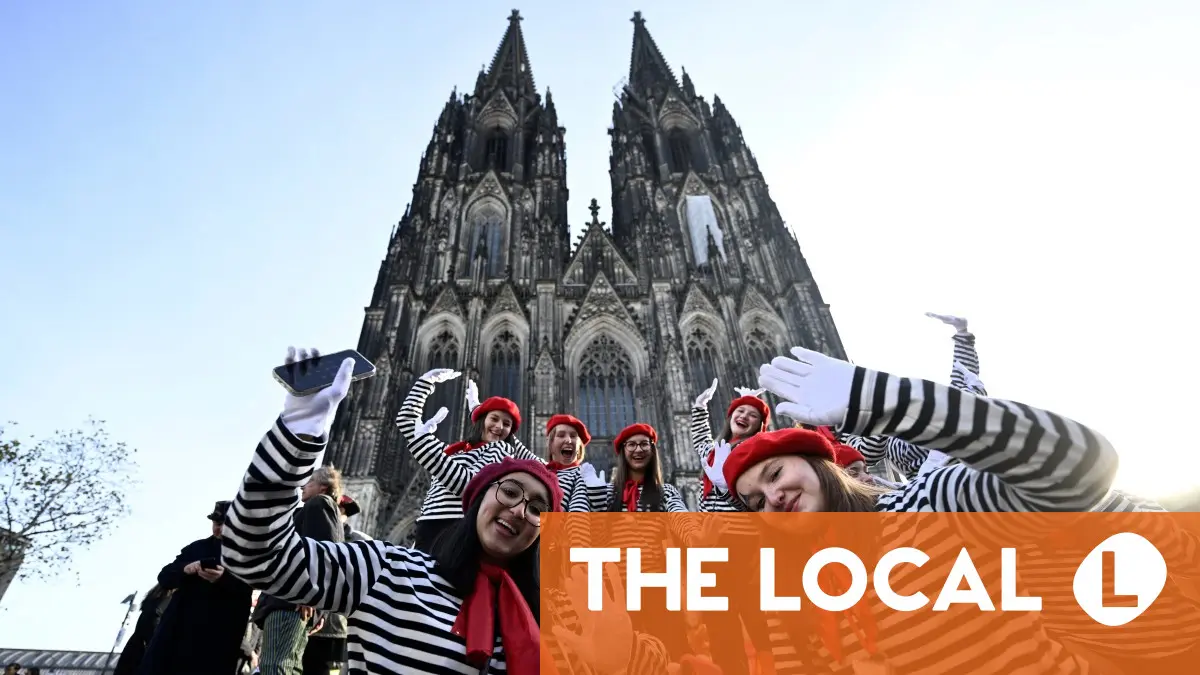
* Cologne: Tens of thousands gather in the streets, often in elaborate costumes, particularly in the lively Zülpicher Straße district. Expect music, dancing, and a general atmosphere of joyous chaos.
* Mainz: The carnival constitution is publicly read aloud,a significant civic event attended by thousands.
* Franconian Cities: Town halls are traditionally ”stormed” by revellers, with mayors symbolically handing over the city keys. Many clubs also present their “prince and princess” for the season.
A Season of Escalation: From November to February
So, Germany’s carnival season officially begins at 11:11 AM on November 11th. However, don’t expect the full-blown festivities to erupt just yet. The celebrations gradually build in intensity.
the most spectacular and widely attended events actually take place in February and sometimes early March. The highlight of the season is undoubtedly Rosenmontag (Rose monday), the day of the grand parades. In 2026, Rosenmontag falls on February 16th.
Regional Differences: Not Everywhere Celebrates the Same Way
It’s crucial to understand that Karneval isn’t a uniform experiance across Germany. Some regions place less emphasis on November 11th.
Such as, in Baden-Württemberg, the Swabian-Alemannic Fasnet traditionally begins on January 6th, Epiphany. This demonstrates the diverse and localized nature of these celebrations.
Experiencing Karneval: What You Need to know
If you’re planning to experience karneval firsthand, here are a few things to keep in mind:
* Costumes are key. Don’t be afraid to get creative and embrace the spirit of disguise.
* Learn a few local phrases. Helau (Rhineland) and Alaaf (Cologne) are common greetings.
* be prepared for crowds. Popular events can get very busy.
* Embrace the energy. Karneval is all about letting loose and having fun.
Kar