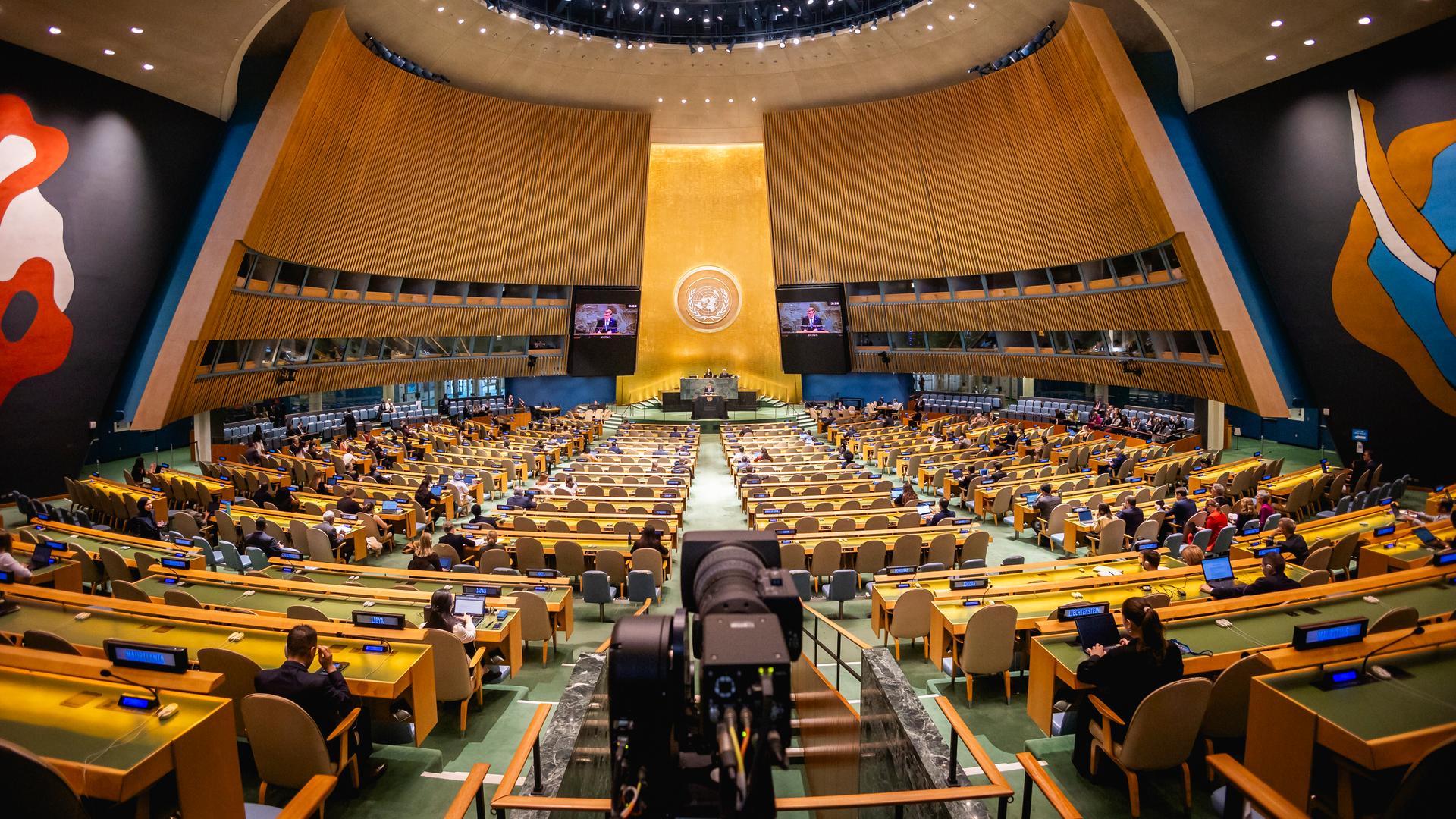
The German federal government is currently recalibrating its long-term diplomatic strategy following recent discussions surrounding its international standing at the United Nations. As Berlin evaluates its future aspirations on the global stage, reports suggest that a renewed bid for a non-permanent seat on the UN Security Council is being considered for the 2033–2034 term. This contemplation comes in the wake of broader internal debates regarding Germany’s influence within multilateral institutions and the effectiveness of its current foreign policy engagement.
For a nation that has long positioned itself as a cornerstone of the multilateral order, the prospect of a future candidacy serves as a catalyst for reflection. Berlin’s commitment to international cooperation remains a central pillar of its statecraft, yet the discourse in the Bundestag and among foreign policy observers indicates a growing appetite for a more assertive and strategically refined approach to global governance. The objective of securing a seat on the United Nations Security Council is not merely symbolic; it represents a desire to shape international norms and participate directly in the resolution of crises that define our era.
As we observe these developments from our newsroom in Sofia, Germany’s path forward involves balancing its historical responsibilities with the realities of a shifting geopolitical landscape. The question is no longer just about when to apply, but how to ensure that such a bid aligns with the evolving expectations of the international community.
Evaluating the Path to Multilateral Influence
The discussion regarding a future bid for a Security Council seat is deeply intertwined with Germany’s broader financial and political contributions to the UN system. The Federal Republic of Germany is consistently one of the largest contributors to the UN budget, ranking as the third-largest donor to the UN’s regular budget for the 2022–2024 period, according to official United Nations financial data. This significant financial footprint naturally leads to questions about the “return on investment” regarding political influence and the ability to steer agendas on critical issues such as climate change, human rights, and global security.
Critics of the current diplomatic trajectory argue that Germany must move beyond a policy of “checkbook diplomacy” if it hopes to secure wider support from the Global South and other key regional blocs. The internal debate has touched upon whether Germany’s voting patterns and diplomatic stances are perceived as sufficiently independent or if they are viewed as overly aligned with Western power structures. For a country aiming to act as a bridge-builder, this perception gap is a significant hurdle that requires careful navigation in the coming years.
Strategic Reorientation in German Foreign Policy
The conversation within Germany’s political circles is not occurring in a vacuum. It follows a period where the effectiveness of German diplomacy has been subject to intense domestic scrutiny. Policymakers are tasked with reconciling the need for principled stances on international law with the pragmatic necessity of building coalitions in an increasingly fragmented UN General Assembly. This challenge is compounded by the fact that the Security Council itself remains a site of deep polarization, with the permanent members frequently deadlocked on issues of global importance.
Experts in international relations note that for any middle power—or indeed a major power like Germany—a successful campaign for a Security Council seat requires years of meticulous groundwork. This involves not only high-level visits and bilateral agreements but also a consistent track record of supporting the priorities of partner nations across different continents. The German Foreign Office, under the leadership of Annalena Baerbock, has emphasized a “values-based” foreign policy, which has been met with both praise for its clarity and criticism for its perceived rigidity in complex diplomatic environments, as documented by the Federal Foreign Office’s own policy briefings.
Key Considerations for Future Candidacies
- Building Broad Coalitions: Moving beyond traditional alliances to engage with emerging economies in Africa, Latin America, and Southeast Asia.
- Focusing on UN Reform: Germany remains a vocal advocate for the structural reform of the Security Council, arguing that the current composition does not reflect the realities of the 21st century.
- Balancing Values and Pragmatism: Refining the “feminist foreign policy” and “values-based” approach to ensure it remains a tool for engagement rather than a barrier to consensus.
The Road Toward 2033
While the prospect of a bid in eight years remains a subject of speculation and internal planning, the timeline provides a necessary window for Germany to refine its strategy. The next few years will likely see a series of diplomatic initiatives aimed at bolstering Germany’s reputation as a reliable and constructive partner. This includes increasing participation in peacekeeping missions and intensifying development aid programs that are aligned with the UN’s Sustainable Development Goals (SDGs), as outlined in the United Nations 2030 Agenda.

For the German electorate and the international community alike, the focus will remain on whether these efforts translate into tangible influence. The debate over whether to seek a non-permanent seat is, at its heart, a debate about Germany’s role in the world. As the nation navigates these internal waters, the international community will be watching to see how Berlin balances its domestic political pressures with its global ambitions.
As we look toward the next official updates from the Federal Foreign Office, we encourage our readers to participate in the conversation. How should Germany prioritize its diplomatic resources in an era of global realignment? Share your thoughts in the comments below, and stay tuned to World Today Journal as we continue to monitor the developments in Berlin and their implications for the international order.
Keep reading