
Ghent’s Housing Crisis: How Tourism and Urban Development Are Reshaping the City’s Future
Ghent, the historic heart of Flanders and Belgium’s third-largest city, is facing an existential challenge as its identity shifts under the weight of tourism and commercial development. Once known for its medieval charm and vibrant local culture, the city is now grappling with soaring rents, dwindling affordable housing, and a growing divide between residents and visitors. This week, a unique protest—dubbed the “dansparade”—brought the crisis to the streets, with hundreds of Ghentians marching through the city to demand action on housing affordability.
At the center of the storm is a fundamental question: Can Ghent preserve its soul while accommodating the economic pressures of modern urban life? The answer will determine not just the city’s future, but also its role as a model for other European cities navigating similar tensions between heritage and progress.
For decades, Ghent thrived as a cultural and economic hub, home to one of Europe’s most prestigious universities and a thriving arts scene. But in recent years, the city’s popularity among tourists and digital nomads has surged, outpacing its ability to manage the social consequences. The result? A housing market that has become increasingly inaccessible to long-time residents, with rents rising faster than wages and social housing stock shrinking.
From Medieval Hub to Tourist Hotspot: The Forces Behind Ghent’s Housing Crisis
Ghent’s transformation began in the late 20th century, as the city reinvented itself as a destination for culture seekers and students. Today, it attracts nearly 10 million visitors annually, making it one of Belgium’s most visited cities after Brussels and Bruges. However, this boom has come at a cost: the city’s population density—already among the highest in Europe—has intensified pressure on housing.
According to recent data from the Belgian Statistical Office, Ghent’s average rent for a two-bedroom apartment in the city center now exceeds €1,500 per month, a 40% increase over the past five years. Meanwhile, the number of social housing units has stagnated, with only about 12,000 units available for a population of over 265,000.
The crisis is particularly acute in neighborhoods like the Bernadettewijk, where overcrowding and poor living conditions have led to protests in recent years. As one local activist told reporters, “Ghent is becoming a city where only tourists and the wealthy can afford to live. That’s not the city we fought to preserve.”
“We want to make sure that Ghent remains a city for its inhabitants, not just for visitors who come for a weekend and leave without a trace.”
Why Ghent’s Housing Crisis Matters Beyond Belgium
Ghent’s struggle is part of a broader European trend, where historic cities are facing the consequences of unchecked tourism growth. From Barcelona to Amsterdam, urban centers are grappling with “touristification”—the process by which cities prioritize visitor experiences over the needs of residents. Ghent’s situation is particularly striking because of its historical significance and relatively late arrival as a major tourist destination.
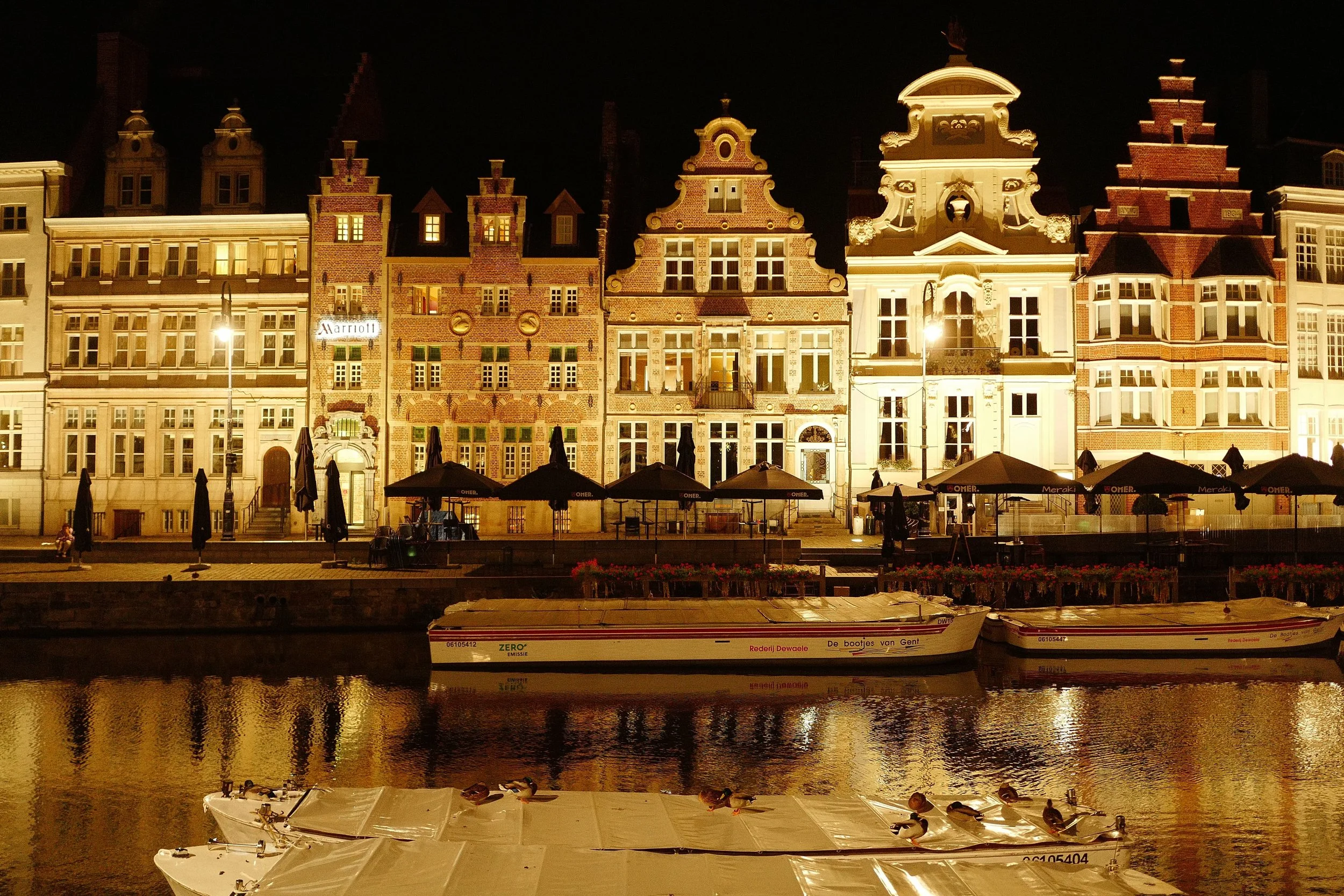
Unlike cities that have long been tourist magnets, Ghent’s medieval architecture and cultural heritage were largely preserved because it was never a primary destination. Now, as visitors flock to see landmarks like the St. Bavo’s Cathedral and the Graslei, the city is paying the price for its newfound fame.
For urban planners and policymakers worldwide, Ghent serves as a case study in how to balance economic growth with social equity. The city’s approach—or lack thereof—could influence similar cities facing the same challenges.
The Dansparade: A Creative Protest Against Gentrification
This week’s “dansparade” was more than just a protest—it was a performance. Organizers invited participants to dance through the streets from Nieuw Gent (New Ghent, a developing area on the city’s outskirts) to the historic center, symbolically reclaiming public space and drawing attention to the housing crisis. The event, which took place on May 24, 2026, was one of several recent grassroots initiatives aimed at pressuring local authorities to take action.
While the event was peaceful, it reflected growing frustration among Ghentians who feel their city is being reshaped without their input. “We’re not against tourism or development,” said one participant, “but we want a say in how our city grows. Right now, it feels like decisions are being made for us, not with us.”
The dansparade also highlighted a generational divide. Younger residents, many of whom are students or young professionals, are particularly affected by the housing crisis. With limited job opportunities and high living costs, many are forced to leave the city or live in precarious conditions.
What Ghent Is Doing—and What’s Still Needed
In response to the crisis, Ghent’s municipal government has implemented several measures, including:
- Increased investment in social housing: The city has allocated €50 million over the next five years to build and renovate affordable housing units, with a focus on mixed-income neighborhoods.
- Tourism regulations: New rules limit the number of short-term rental licenses in residential areas, and hotels are required to contribute to a housing fund.
- Community planning: Ghent has launched participatory budgeting initiatives, allowing residents to directly influence how public funds are spent in their neighborhoods.
However, critics argue that these efforts are not enough. “We need more than just talk and small investments,” said a spokesperson for the local housing advocacy group Wonen Voor Allen. “The city must take bold steps, like implementing rent controls and expanding public transit to reduce reliance on cars, which drives up land values.”
Mayor Mathias De Clercq Anders has acknowledged the challenges, stating in a recent interview that “Ghent’s future depends on finding a balance between economic vitality and social justice. We cannot let our city become a playground for the rich and a ghost town for everyone else.”
Looking Ahead: What’s Next for Ghent?
The next critical checkpoint for Ghent’s housing policy will be the city council’s review of the 2026 Urban Development Plan, scheduled for public debate in September 2026. This plan will outline the city’s vision for growth over the next decade, including zoning changes, transportation investments, and housing priorities.

Residents and advocacy groups are already mobilizing to ensure their voices are heard. A petition calling for stronger rent controls and a moratorium on new tourist accommodations in residential zones has gathered over 10,000 signatures in the past month.
For now, Ghent remains a city of contrasts—where the clatter of cobblestones underfoot still echoes with medieval history, yet the hum of modern urban life grows louder by the day. The dansparade was a reminder that the city’s future is not predetermined. It belongs to its people, and the choices made in the coming months will determine whether Ghent remains a home—or becomes just another tourist postcard.
Key Takeaways
- Housing affordability: Ghent’s average rent for a two-bedroom apartment now exceeds €1,500/month, up 40% in five years, while social housing remains scarce.
- Tourism’s double-edged sword: While tourism boosts the economy, it drives up rents and displaces residents, particularly in historic neighborhoods.
- Community response: Grassroots movements like the dansparade are pushing for greater resident involvement in urban planning decisions.
- Policy challenges: Ghent’s efforts to regulate short-term rentals and invest in social housing are steps in the right direction, but critics say bolder action is needed.
- Next steps: The 2026 Urban Development Plan review in September will be pivotal in shaping Ghent’s housing and growth strategies.
- Broader implications: Ghent’s struggle reflects a global trend, offering lessons for other cities balancing heritage preservation with modern urban demands.
What do you think? Can cities like Ghent preserve their cultural identity while accommodating tourism and growth? Share your thoughts in the comments below, or join the conversation on Twitter using #GhentHousingCrisis.
For more updates on Ghent’s housing policies and urban development, visit the official city website: www.gent.be/en.
- Jordan Peele Reveals the Terrifying Truth Behind His Horror Movies
- Avatar Animated Universe Expanding: Paramount and Nickelodeon Animation Reveal New Plans
- Residents in southwest Arizona battle persistent fly infestation as officials face public demands (news-usa.today)
- Alex Mariah Peter Reveals 30-Kilogram Weight Loss Transformation (archyworldys.com)