
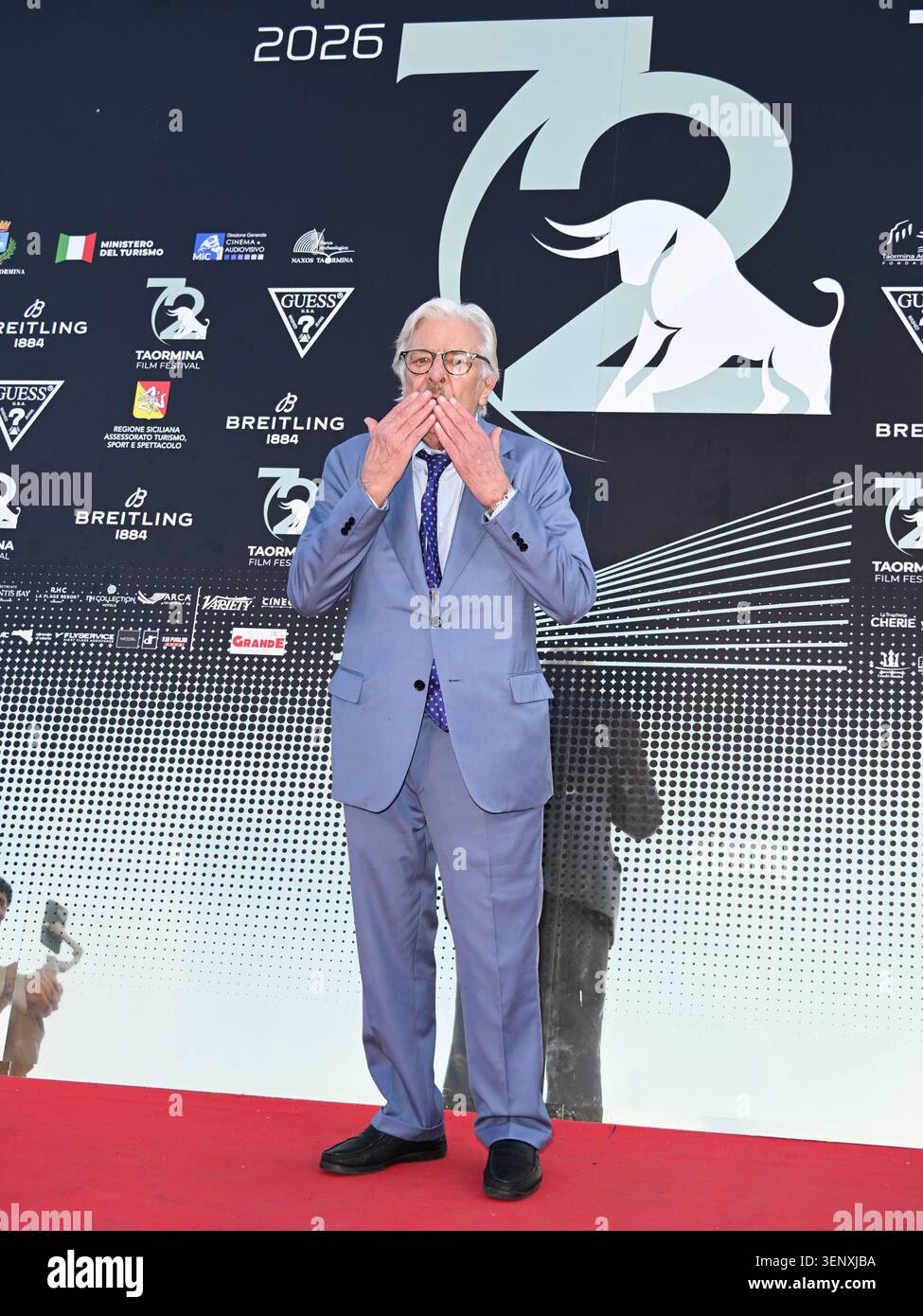
Italian actor Giancarlo Giannini has publicly aligned himself with the views of singer-songwriter Francesco De Gregori regarding the role of artists in the political sphere. During the recent Taormina Film Festival, where he presented the documentary Baracoa, Giannini stated that performers should refrain from using their platforms for political advocacy, arguing that the primary duty of an artist is to focus on their creative craft rather than societal governance.
The discussion surrounding the intersection of entertainment and politics remains a significant topic in Italian cultural discourse. Giannini’s comments reflect a long-standing debate within the arts community concerning whether public figures hold a responsibility to leverage their influence for political change or if such involvement compromises the perceived objectivity and integrity of their artistic output. According to reports from the Taormina Film Festival, Giannini emphasized that the complexities of political life are distinct from the sensibilities required for artistic expression.
The Perspective on Artistic Neutrality
Giancarlo Giannini’s endorsement of Francesco De Gregori’s stance highlights a philosophy that prioritizes the separation of personal political views from the professional identity of the performer. De Gregori, a prominent figure in the Italian cantautore tradition, has historically maintained a distance from overt political alignment, often suggesting that music should transcend the immediate pressures of partisan agendas. For Giannini, an actor with an extensive career in both Italian cinema and international productions, this approach is a matter of professional focus.
The sentiment expressed by Giannini at the festival is not a novel concept in the arts, but it gains weight given his status as an Academy Award-nominated actor. By echoing De Gregori, Giannini underscores a belief that the public image of an artist is best served by a dedication to the work itself. This perspective challenges the modern trend of celebrity activism, where entertainers are frequently expected to weigh in on national and global policy issues. As noted by analysts of the Italian media landscape, such declarations often trigger broader discussions about the “celebrity mandate” in a digital era where social media platforms provide an immediate, constant voice for public figures.
Contextualizing the Taormina Film Festival
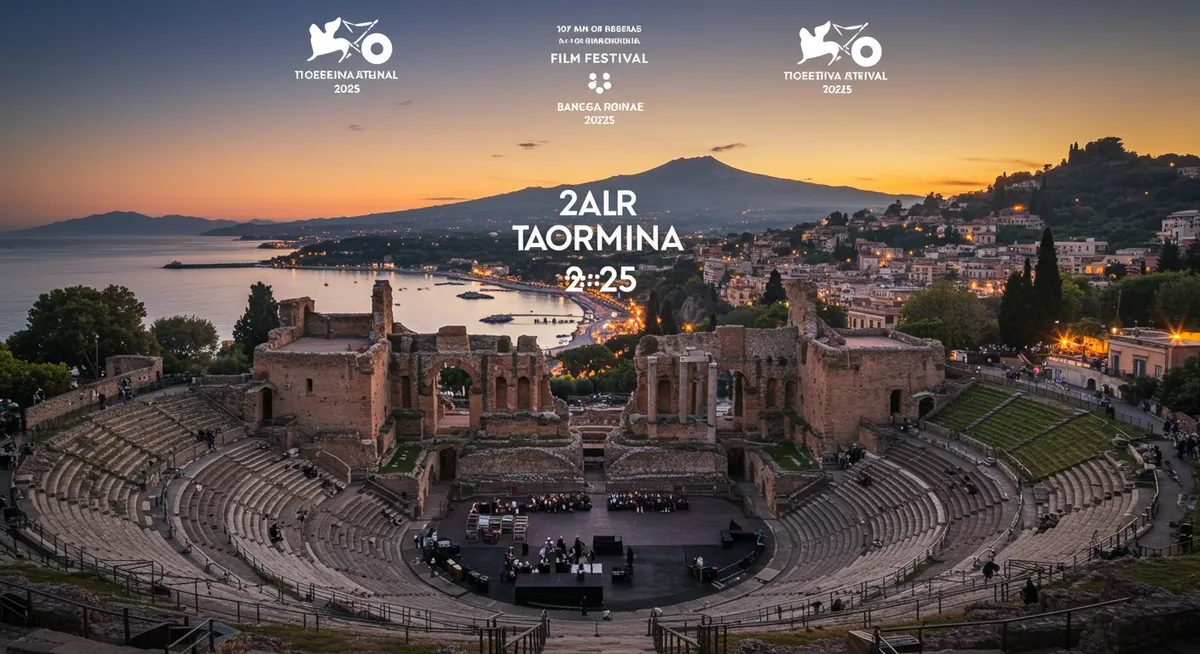
The remarks were made during the context of the Taormina Film Festival, a prestigious event held annually in Sicily. The festival serves as a primary venue for discussing not only new cinematic releases but also the evolving role of the film industry in society. By presenting Baracoa, a film that explores life and human connection, Giannini utilized the platform to engage with journalists on a variety of topics, including the professional expectations placed upon artists.
The festival, which has been a staple of the European film circuit for decades, provides a space where international cinema meets critical reflection. The inclusion of documentaries alongside feature films allows for a diverse range of voices to be heard, yet the spotlight often remains on the personal philosophies of the established talent in attendance. Giannini’s commentary at the event serves as a reminder that even in the intimate setting of a film festival, questions regarding the social obligations of the artist remain at the forefront of the conversation.
The Evolution of Artist-Politics Relations
The debate over whether artists should engage in politics is deeply rooted in the history of 20th-century European culture. In Italy, where the cultural influence of cinema and music has historically been tied to social movements, the “neutrality” advocated by figures like Giannini and De Gregori is often viewed as a counter-narrative to the tradition of the “engaged intellectual.”
Observers of Italian cultural trends note that this divide is not merely about personal preference but reflects different methodologies for how art should impact an audience. Those who agree with Giannini argue that art serves as a universal language that is diluted when tethered to specific political ideologies. Conversely, critics of this stance often point to the historical necessity of artists serving as the “conscience of society.” The tension between these two views continues to shape how artists communicate with their audiences in the 21st century, with major industry events frequently becoming the stage for these debates to unfold.
As the conversation continues to evolve, the public response to such statements remains divided. While some audiences appreciate the focus on craft, others express a desire for artists to use their platform to highlight social inequities. The ongoing dialogue between performers and their public ensures that this topic will remain a recurring theme at future cultural summits and film industry gatherings.
The next major updates regarding the Taormina Film Festival and its upcoming programming will be released through the official festival website, which serves as the primary portal for scheduling and attendee information. Readers interested in the intersection of arts and public discourse are encouraged to share their thoughts in the comments section below or join the conversation on social media platforms.
Related reading