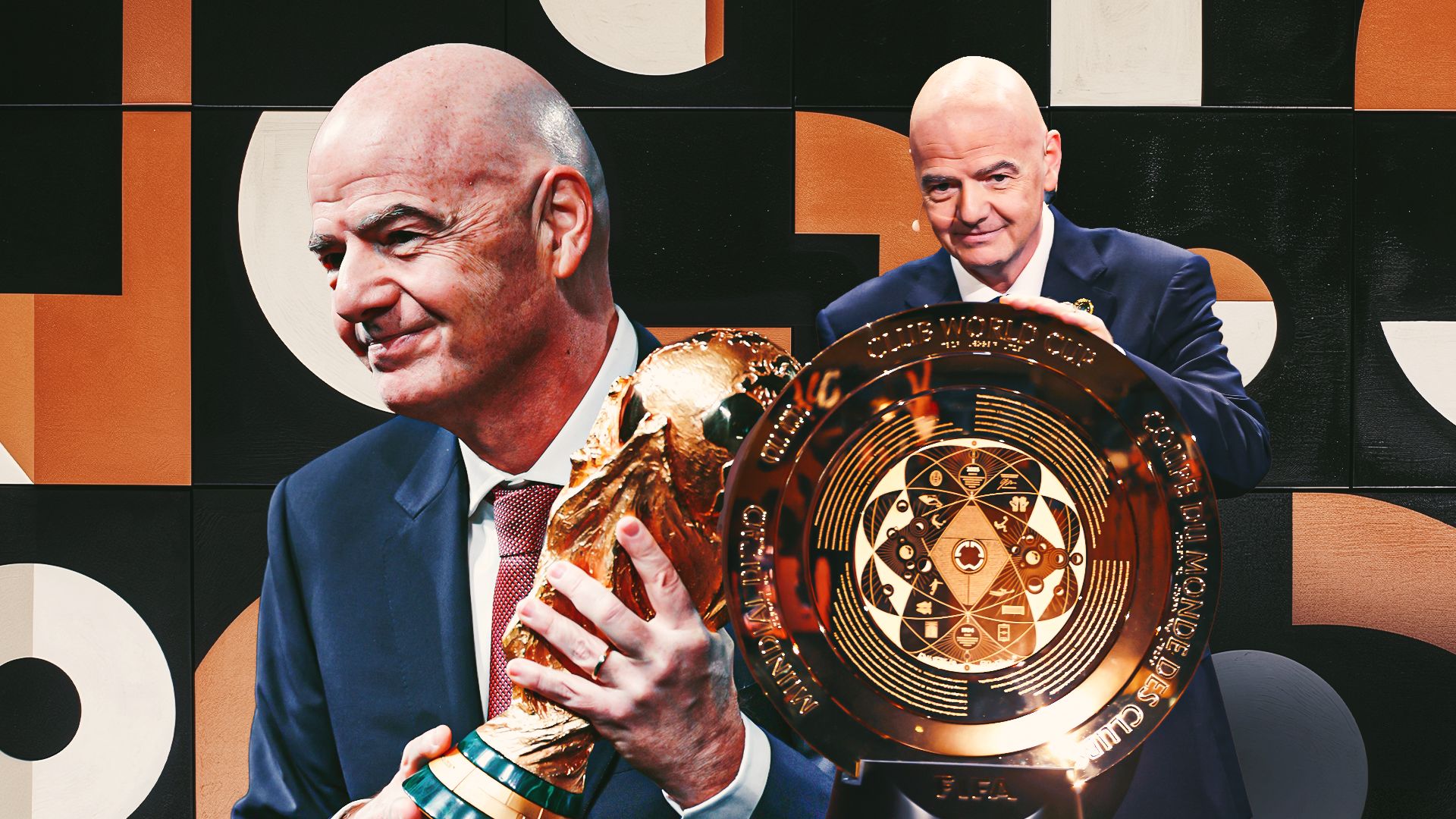
FIFA President Gianni Infantino has characterized the upcoming 2026 FIFA World Cup as the “greatest event in the history of mankind,” a claim made as the organization prepares for a significantly expanded tournament format. The statement comes amid growing discussions regarding the logistics of a three-nation host structure and the projected ticket prices for the North American market.
The 2026 tournament, which will be co-hosted by the United States, Canada, and Mexico, marks a major structural shift for international football. For the first time, the competition will feature 48 participating teams, expanding from the traditional 32-team format used in previous editions. This expansion is intended to increase global representation but has also introduced complexities regarding scheduling, travel, and costs.
Why is the 2026 World Cup being called the greatest event?
Gianni Infantino’s assertion that the 2026 World Cup will be the “greatest event in the history of mankind” reflects FIFA’s ambition to scale the tournament to unprecedented levels. According to reports regarding his recent addresses, the President is framing the North American edition as a landmark moment for both the sport and global connectivity. The scale of the event is driven by the inclusion of more nations and the massive commercial potential of the United States market.
The tournament’s scale is not merely about the number of players on the pitch. The expansion to 48 teams means more matches, more host cities, and a longer duration for the competition. FIFA officials have indicated that this growth is a response to the increasing global demand for football and the desire to integrate more regions into the sport’s highest level of competition.
While Infantino focuses on the historical significance, some observers have noted that the claim serves to bolster the organization’s standing during a period of significant transition. The move to 48 teams is the most substantial change to the World Cup since the expansion from 24 to 32 teams in 1998. This shift requires a massive logistical undertaking, including the coordination of venues across three different countries with varying regulatory and economic environments.
How will ticket prices for the 2026 tournament be determined?
As the tournament approaches, concerns regarding the affordability of the event for fans have surfaced. In response to criticisms regarding potential high costs, Gianni Infantino has defended the projected ticket pricing, stating that the costs will be “in line with other great sporting events in the US.” This comparison suggests that FIFA intends to align its pricing models with the high-demand market standards seen in American professional sports, such as the NFL or NBA.

The decision to use the United States as a primary host provides FIFA with access to one of the world’s most lucrative sports markets. However, it also sets a precedent for higher entry costs for international visitors. While official final pricing tiers for every match have not been released to the public, the FIFA administration has signaled that the economic realities of hosting in North America will dictate the final figures.
Industry analysts suggest that the pricing strategy is a central component of FIFA’s revenue model for 2026. By targeting a market accustomed to premium pricing for major sporting events, FIFA aims to maximize the commercial yield of the tournament. This approach has drawn scrutiny from consumer advocacy groups and football associations concerned about the accessibility of the World Cup for the broader global fan base.
What changes are coming to the 48-team tournament format?
The transition from 32 to 48 teams represents the most significant technical change in the history of the FIFA World Cup. This expansion will alter the tournament’s structure, the number of group stages, and the overall number of matches played. To accommodate the larger field, the tournament will move from a format of 64 matches to a total of 104 matches.
The new format will involve 12 groups of four teams each. The top two teams from each group, along with the eight best third-placed teams, will advance to a new round of 32 knockout matches. This addition of a round-of-32 stage is designed to maintain the competitive tension of the tournament while allowing for the increased number of participants.
The logistical implications of this change are substantial. With 104 matches spread across the United States, Canada, and Mexico, travel distances for teams and fans are expected to be significantly higher than in previous single-host or dual-host tournaments. FIFA is currently working on scheduling frameworks to mitigate the impact of these distances on player recovery and fan movement.
Comparison of World Cup Formats
| Feature | 2022 World Cup (Qatar) | 2026 World Cup (USA/CAN/MEX) |
|---|---|---|
| Total Teams | 32 | 48 |
| Total Matches | 64 | 104 |
| Host Countries | 1 | 3 |
| Group Stage Structure | 8 groups of 4 | 12 groups of 4 |
How has Gianni Infantino’s leadership style evolved?
The leadership of Gianni Infantino has been characterized by an aggressive expansion of FIFA’s influence and a centralization of authority. Since his election in 2016, Infantino has overseen a period of significant commercial growth and structural reform, though his tenure has not been without controversy. Observers have noted a shift in the power dynamics within FIFA, with the President exerting considerable control over the organization’s strategic direction.
Reports on Infantino’s personal trajectory often contrast his early life with his current position of global influence. In various profiles, he has been described as a leader who has transitioned from an outsider to a central figure in the footballing hierarchy. This evolution has coincided with FIFA’s efforts to diversify its revenue streams and expand its footprint in markets outside of Europe and South America.

The “immense power” attributed to the FIFA presidency under Infantino is reflected in the organization’s ability to dictate terms to member associations and commercial partners. While supporters argue that this strong leadership is necessary to navigate the complexities of modern global football, critics express concern regarding the lack of checks and balances within the governing body. The upcoming 2026 World Cup serves as the ultimate test of this leadership model and the organization’s ability to manage a project of such unprecedented scale.
Key Takeaways for Fans and Stakeholders
- Expanded Field: The 2026 tournament will feature 48 teams, up from 32 in previous years.
- Host Locations: Matches will be held across the United States, Canada, and Mexico.
- Increased Match Count: The total number of matches will rise from 64 to 104.
- Pricing Strategy: Ticket costs are expected to reflect the high-demand US sporting market.
- New Format: A round-of-32 knockout stage will be introduced to accommodate the larger teams.
Frequently Asked Questions
Where will the 2026 World Cup be held?
The tournament will be co-hosted by three nations: the United States, Canada, and Mexico.
How many teams will participate in 2026?
The tournament is expanding to include 48 national teams.
Will tickets be expensive?
FIFA has indicated that ticket prices will be in line with major sporting events in the United States, suggesting a premium pricing model.
How many matches will be played?
The number of matches will increase to 104 to accommodate the expanded tournament format.
The next scheduled milestone for the 2026 FIFA World Cup will be the release of further official details regarding the match schedule and specific ticketing windows by FIFA. For the latest updates on tournament logistics and official announcements, fans should monitor the official FIFA communications channels.
What are your thoughts on the expansion of the World Cup and the potential for higher ticket prices? Let us know in the comments below and share this article with your network.
Keep reading