Alberta’s “Hailstorm Alley” Faces Increasing Severe Weather Risks
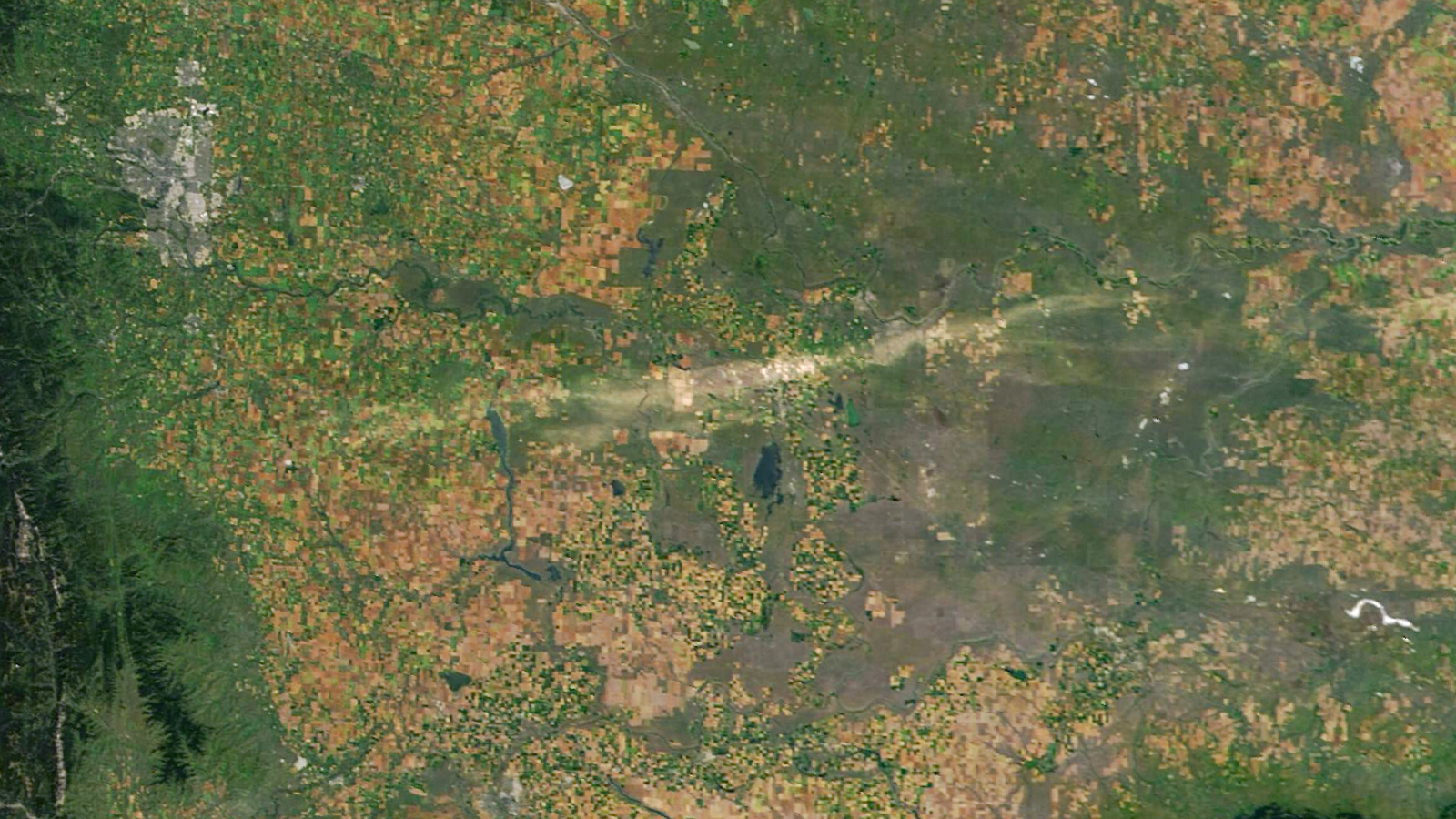
Alberta, Canada, recently experienced a particularly devastating hailstorm, highlighting a growing pattern of extreme weather events in a region already known as “hailstorm alley.” This event, while exceptional in its intensity, underscores the vulnerability of this area to severe weather and the increasing need for advanced forecasting.
The Recent Storm & Its Impact
A powerful storm descended upon Alberta, unleashing unusually large hail and causing widespread damage. Initial assessments indicate significant property destruction, impacting homes, vehicles, and infrastructure. Some residents were still recovering from a similar hailstorm that occurred just weeks prior in July, compounding the challenges faced by the community.
Why alberta is prone to Hailstorms
The geography and climate of this region create ideal conditions for storm development. Specifically, the convergence of air masses and unique topographical features contribute to the frequent formation of severe thunderstorms.Consequently, Alberta typically experiences dozens of hail events each year.
The Rising Cost of Hail Damage
Over the past five years, hailstorm damage in Alberta has exceeded 6 billion canadian dollars (approximately $4.3 billion USD). This figure excludes the damages from the most recent August storm, which are still being tallied. These escalating costs are placing significant strain on the insurance market and raising concerns about affordability and coverage.
Improving Severe Weather Prediction
Researchers are actively working to improve the prediction of these damaging storms. Scientists at NASA’s Langley Research Center are developing state-of-the-art identification techniques to quantify severe storm distribution and frequency. These techniques leverage the consistency of satellite measurements to provide valuable insights.
* Long-term data records: Enable a comprehensive understanding of severe storm activity and risk.
* Satellite measurements: Offer an exceptional level of consistency for tracking storm patterns.
* Collaboration: Sharing insights with the reinsurance industry, project partners, and the broader research community.
Benjamin Scarino, a research scientist at the center, emphasizes the importance of this work. “With state-of-the-art identification techniques, we can quantify severe storm distribution and frequency with an exceptional level of consistency that’s only granted by satellite measurements,” he stated. Ultimately,the goal is to mitigate the impacts of these storms by providing earlier and more accurate warnings.
What This Means for You
If you live in or travel to Alberta, understanding the risks associated with hailstorms is crucial. You can take steps to protect yourself and your property:
* Stay informed: monitor weather forecasts and alerts from reliable sources.
* Seek shelter: During a hailstorm, seek shelter indoors, away from windows.
* Protect your property: Consider hail-resistant roofing materials and secure outdoor objects.
* Review your insurance: Ensure your insurance policy provides adequate coverage for hail damage.
The increasing frequency and intensity of hailstorms in Alberta serve as a stark reminder of the growing impacts of climate change. Continued research, improved forecasting, and proactive preparedness are essential to protecting communities and minimizing the devastating consequences of these severe weather events.
Keep reading