
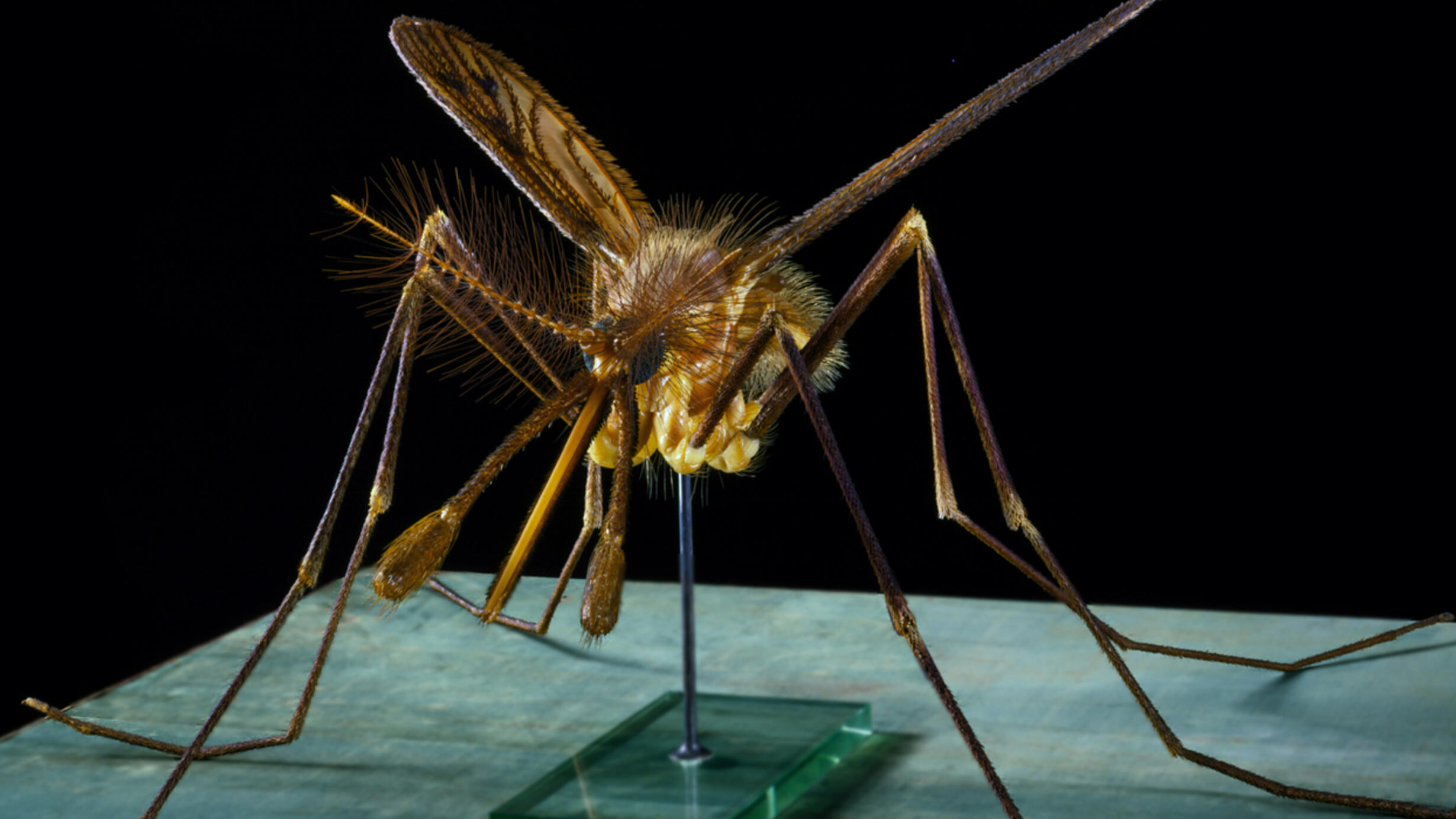
The recent reports of what some have termed “giant mosquitoes” in Norway have prompted biological investigations into the presence and behavior of the Culiseta longiareolata and other large mosquito species within the Nordic region. While the term “giant mosquito” is often used colloquially in media reports to describe larger-than-average specimens or invasive species, experts from the Norwegian Institute of Public Health (Folkehelseinstituttet) clarify that these sightings typically involve native species or climate-migrant insects rather than a new, dangerous threat.
According to the Norwegian Institute of Public Health, the country is home to approximately 38 different species of mosquitoes. Public concern regarding insect size often spikes during warmer summer months when environmental conditions favor the rapid development of larvae in stagnant water. Entomologists emphasize that while some species may appear significantly larger than the common house mosquito, their physiological impact on humans remains largely consistent with that of native populations.
Understanding the Biology of Large Mosquitoes in Northern Europe
The perception of a “giant” mosquito is frequently linked to the Culiseta genus, which includes species that are physically larger than the more common Culex or Aedes varieties. These insects are often found in sheltered areas, such as basements, sheds, or woodpiles, where they survive the winter months as adults. The European Centre for Disease Prevention and Control (ECDC) notes that these larger mosquitoes are generally less aggressive toward humans than the species that swarm in forest or wetland areas during the peak of summer.

The size of an adult mosquito is primarily determined by the quality and quantity of food available to it during its larval stage. If an aquatic habitat is nutrient-rich, the resulting adult may reach a size that appears atypical to the average observer. However, this biological variance does not inherently imply that the insect carries exotic diseases or poses a higher medical risk to the local population. Public health authorities continue to monitor for invasive species, such as the Asian Tiger Mosquito (Aedes albopictus), but emphasize that current sightings of “large” mosquitoes in Norway are almost exclusively indigenous or long-established European varieties.
How to Identify and Manage Mosquito Populations
For residents concerned about increased mosquito activity, the most effective management strategy remains the reduction of breeding sites. Mosquitoes require stagnant water to complete their life cycle, which lasts approximately 10 to 14 days depending on ambient temperatures. The Norwegian Institute of Public Health advises property owners to empty containers, bird baths, and clogged gutters that hold water for more than a week. This simple measure effectively breaks the reproductive chain in a local area.
Personal protection measures are also recommended for those living in areas with high insect density. These include:
- Wearing light-colored, long-sleeved clothing during dawn and dusk when activity is highest.
- Utilizing window screens to prevent entry into living spaces.
- Applying insect repellents containing DEET, icaridin, or IR3535, which are approved for use by the Norwegian Environment Agency.
The Impact of Climate Change on Insect Migration
The migration of insect species is a subject of ongoing study as northern latitudes experience rising average temperatures. While the “giant mosquito” reports are often localized, the broader trend of changing distribution patterns is documented by the European Environment Agency. Warmer winters may allow certain species to survive in regions where they were previously unable to establish, potentially extending the mosquito season into the autumn months.
However, it is important to distinguish between the presence of a species and the transmission of vector-borne diseases. The transmission of pathogens like West Nile virus or Usutu virus requires a complex interplay of host availability, temperature thresholds, and specific viral strains. As of the latest updates from the Norwegian Institute of Public Health, there has been no evidence to suggest that the recent sightings of larger-than-average mosquitoes represent a change in the local disease landscape. The focus remains on nuisance mitigation rather than public health emergency response.
Future updates regarding local insect monitoring and public health advisories will be posted on the official website of the Norwegian Institute of Public Health. Residents are encouraged to report sightings of unusual insects to local municipal health authorities if they suspect the presence of non-native, invasive species. Please feel free to share your experiences or questions in the comments section below.
Keep reading
- Arsenal Explore Vinicius Junior Transfer as Real Madrid Contract Talks Stall
- Will Rodri Leave Manchester City? PSG and Barcelona Eye Midfield Star
- Seattle Police Hunt 3rd Shooter in Deadly Bite of Seattle Food Festival Attack (time.news)
- Why Nighttime Heat Is Rising Faster Than Daytime Highs in US Cities (daybreakwire.com)