“`html
Giorgio Armani: A Legacy of Elegance and Innovation
The fashion world mourns the loss of Giorgio Armani, a figure whose name has, for over half a century, represented the pinnacle of Italian style and global brand sophistication. His influence extends far beyond the runway, shaping perceptions of power dressing and modern elegance. As of September 5, 2025, the industry reflects on a career that redefined luxury and established a lasting empire. Armani’s story isn’t simply about clothes; it’s about a vision that permeated culture,influencing everything from film costumes to interior design. This article delves into the remarkable journey of Giorgio Armani, exploring his impact, innovations, and the enduring legacy he leaves behind.
The Rise of an Empire: From Textiles to Global Icon
Giorgio Armani’s path to becoming a fashion titan wasn’t conventional. Beginning in the 1960s, he honed his skills not as a designer, but as a textile buyer and stylist for Nino Cerruti. This experience provided a crucial understanding of fabrics and construction,forming the foundation of his future success. in 1975, alongside his partner Sergio galeotti, Armani established his own company, initially focusing on menswear. He quickly distinguished himself by deconstructing traditional tailoring, creating softer, more relaxed silhouettes that challenged the rigid formality of the era. This innovative approach resonated with a changing clientele seeking comfort and understated sophistication.
The early 1980s marked a turning point. Armani’s designs gained prominence through their appearance in the hit television series Miami Vice
, instantly catapulting the brand into the mainstream consciousness. The show’s stylish detectives, clad in Armani’s unstructured suits, became cultural icons, driving demand for his designs.This strategic placement demonstrated Armani’s understanding of the power of visual media and his ability to connect with a broader audience. He wasn’t just selling clothes; he was selling a lifestyle.
The Power of ‘Soft Power’ and Cultural Influence
Armani’s designs weren’t merely fashionable; they embodied a certain soft power. His clothes conveyed confidence, authority, and a sense of effortless cool. this appeal extended to Hollywood, where he became a favorite among actors and filmmakers. He designed costumes for over 200 films, including iconic projects like American Gigolo
(1980) and The Untouchables
(1987), further cementing his status as a cultural force. These collaborations weren’t simply about providing wardrobe; they were about shaping the visual narrative of these films and associating the Armani brand with glamour and sophistication.
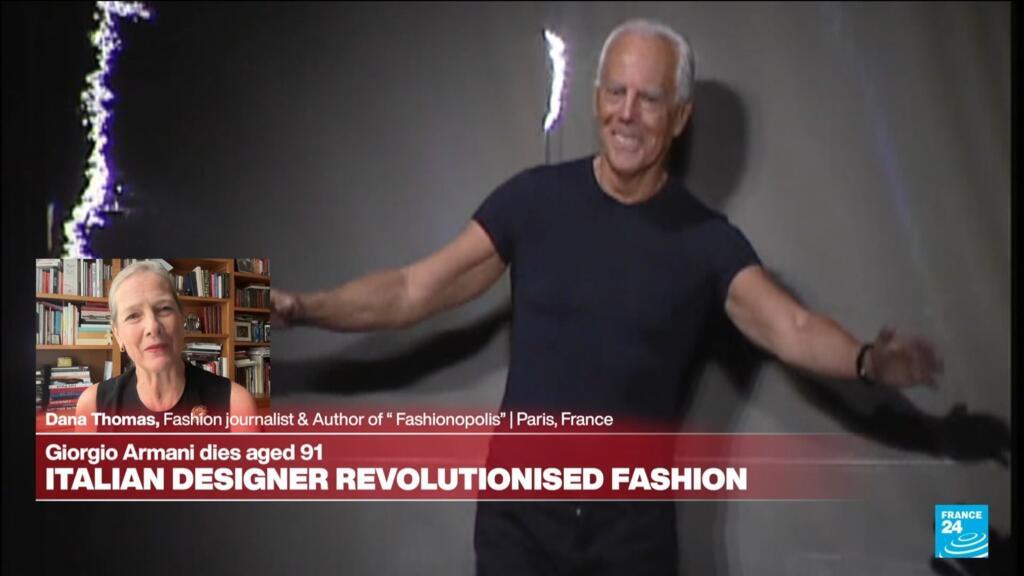
Dana Thomas, a leading fashion journalist who closely followed Armani’s career for 35 years, observed the designer’s unique ability to anticipate and respond to cultural shifts. She documented his ambitious expansion into China, a market that has become increasingly crucial for luxury brands.
As Ms. Thomas noted, Armani possessed a rare understanding of how to translate his aesthetic to different cultures, maintaining the core values of his brand while adapting to local tastes. Dana Thomas, “Deluxe: How Luxury Lost Its Luster”
This adaptability has been key to the