In the complex intersection of academic research and national health policy, few figures in Italy have navigated the transition from the laboratory to the halls of government as decisively as Giovanni Rezza. As a renowned physician and epidemiologist, Rezza has spent decades studying the behavior of infectious diseases, providing the scientific scaffolding necessary to protect populations from emerging biological threats.
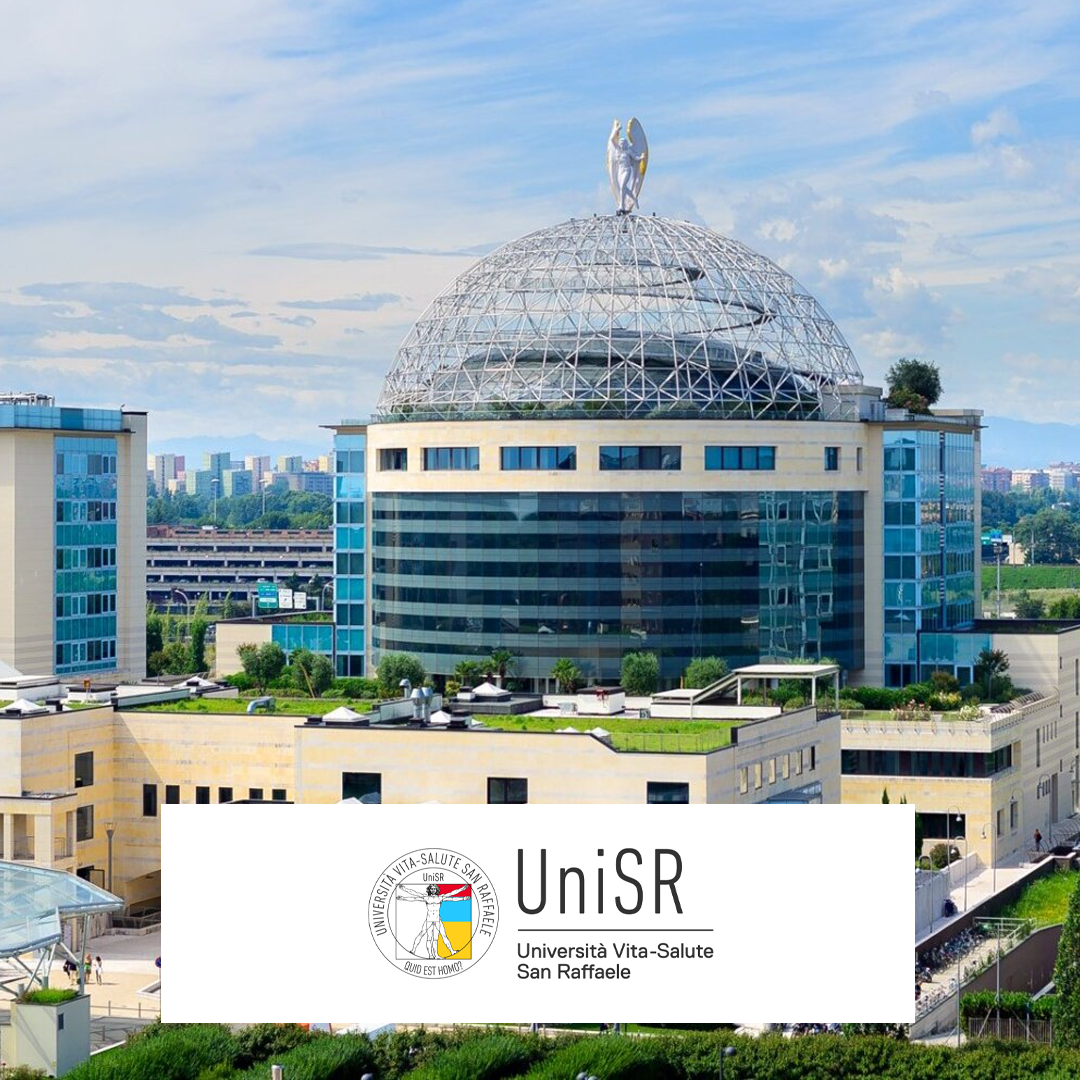
Currently serving as an Extraordinary Professor of Hygiene and Public Health at the Vita-Salute San Raffaele University of Milan, Giovanni Rezza is recognized as a Giovanni Rezza public health expert whose career spans the most critical health crises of the last forty years. From the early days of the HIV/AIDS epidemic to the unprecedented challenges of the COVID-19 pandemic, his work has consistently focused on the scalability of prevention and the rigor of epidemiological surveillance.
Rezza’s influence extends beyond the classroom and the clinic. His tenure as a high-ranking official within the Italian Ministry of Health placed him at the center of the European response to global health emergencies, where he translated complex data into actionable public health mandates. This dual identity—as both a scholar and a strategist—has made him a pivotal voice in the effort to strengthen health security across the European Union and beyond.
Academic Foundations and the Study of Infectious Diseases
The trajectory of Giovanni Rezza’s career began at the Sapienza University of Rome, where he earned his degree in Medicine and Surgery in the late 1970s. His early academic pursuits were characterized by a deep specialization in the mechanisms of transmission and prevention. By 1982, he had completed a specialization in Hygiene and Preventive Medicine, followed by a further specialization in Infectious Diseases in 1986.
These credentials provided the foundation for his long-term association with the Istituto Superiore di Sanità (ISS), Italy’s leading technical-scientific body of the National Health Service. Rezza joined the ISS as a Research Director, where he focused on the epidemiology of transmissible diseases. His early work was particularly focused on HIV, a field that required not only medical expertise but a nuanced understanding of public health communication and stigma reduction.
Between 2009 and May 2020, Rezza served as the Director of the Department of Infectious, Parasitic, and Immune-mediated Diseases at the ISS. In this capacity, he oversaw critical research into a variety of emerging pathogens. His expertise expanded to include the study of West Nile virus, Chikungunya, Q fever, and Congo-Crimea hemorrhagic fever—pathogens that often emerge from zoonotic reservoirs and pose significant risks to urban populations.
Leading Italy’s National Health Prevention Strategy
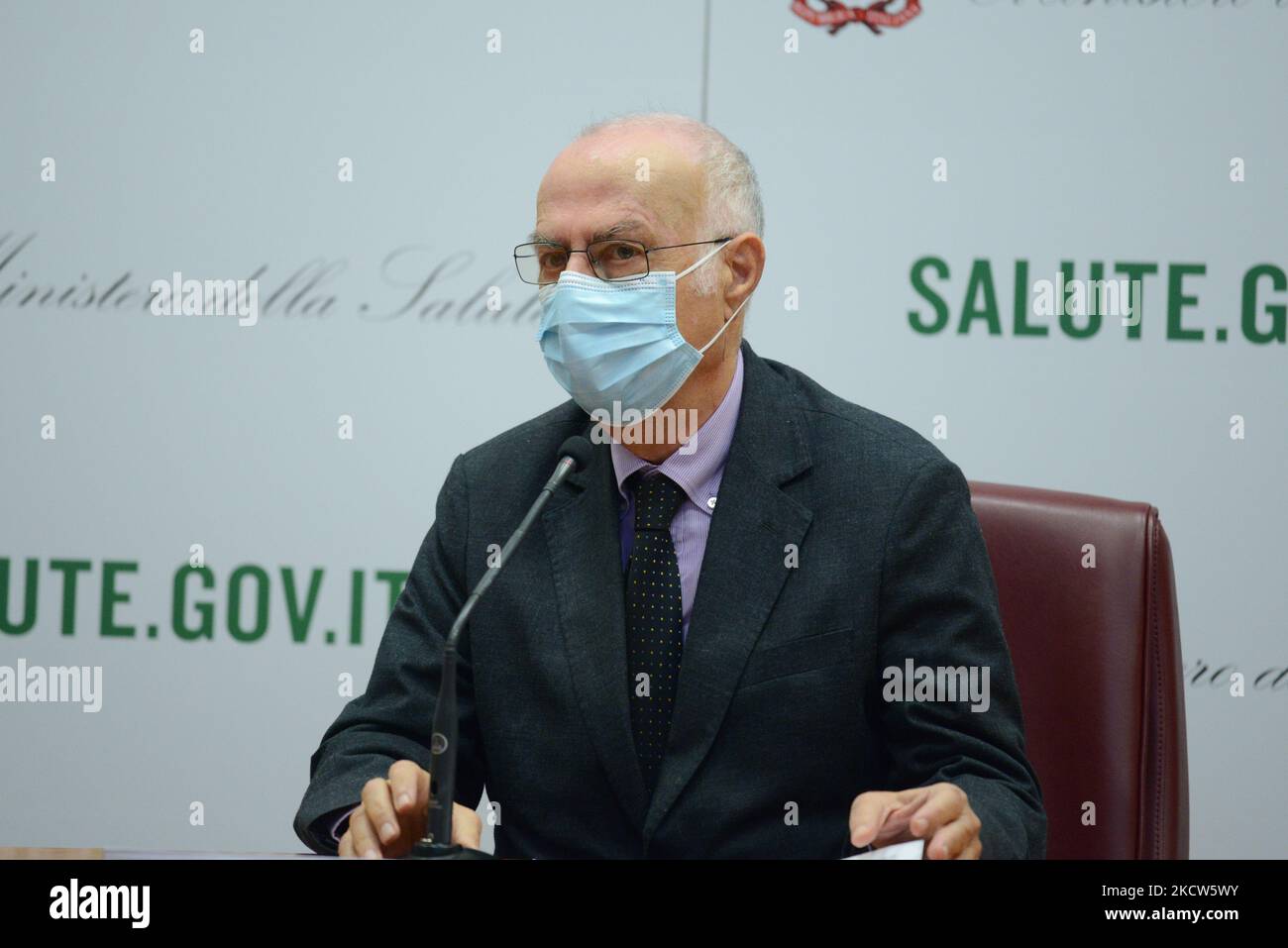
In May 2020, at the height of the first wave of the COVID-19 pandemic, Rezza was called upon to transition from research to executive leadership. He was appointed as the Director General of the Direction of Health Prevention at the Italian Ministry of Health, a role he held until May 2023. This period represented one of the most challenging eras in the history of modern public health.
As the head of health prevention, Rezza was responsible for coordinating the national strategy to mitigate the spread of SARS-CoV-2. This involved the planning and execution of massive vaccination campaigns, the implementation of testing protocols, and the continuous monitoring of viral variants. His role required a delicate balance: maintaining the rigor of scientific evidence while responding to the urgent, fluctuating needs of a population in crisis.
Beyond COVID-19, Rezza’s leadership at the Ministry was tested by other emerging threats, including the Mpox outbreak. His approach was characterized by an emphasis on targeted surveillance and the rapid deployment of preventative measures to high-risk groups, mirroring the strategies he had developed earlier in his career while studying other infectious diseases.
Global Health Contributions and International Collaboration
Epidemiology is inherently a global endeavor, and Giovanni Rezza’s work has frequently crossed international borders. Recognizing that pathogens do not respect national boundaries, he has collaborated extensively with the World Health Organization (WHO), the European Union, and various international cooperation agencies.
His international experience includes serving as a consultant for the WHO’s Global Program on AIDS in Geneva and conducting epidemiological investigations abroad. These roles allowed him to implement standardized surveillance systems in diverse environments, ensuring that data collected in the field could be used to inform global health policies. By integrating Italian research with international standards, Rezza helped bridge the gap between local outbreaks and global alerts.
This global perspective is now integrated into his teaching at the Vita-Salute San Raffaele University, where he instructs the next generation of public health professionals. His curriculum emphasizes the importance of “One Health”—the concept that human health is inextricably linked to the health of animals and the shared environment.
Key Areas of Epidemiological Expertise
Throughout his career, Professor Rezza has maintained a specialized focus on several high-impact pathogens. Understanding these specific threats is crucial for predicting future pandemics:
- Zoonotic Viruses: Extensive research into West Nile and Chikungunya, focusing on how environmental changes drive these viruses from animals to humans.
- Hemorrhagic Fevers: Study of the Congo-Crimea hemorrhagic fever, emphasizing the need for stringent biosafety protocols and rapid diagnostics.
- Respiratory Pathogens: Long-term analysis of influenza strains and the sudden emergence of coronaviruses.
- Chronic Viral Infections: Decades of work on HIV/AIDS, focusing on both the clinical management of the disease and the public health strategies for prevention.
The Impact of Evidence-Based Policy in Public Health
The career of Giovanni Rezza serves as a case study in the importance of evidence-based policy. In the realm of public health, the distance between a laboratory finding and a government decree can be the difference between a contained outbreak and a national emergency. Rezza’s ability to navigate both worlds ensured that Italy’s prevention strategies were rooted in peer-reviewed science.
One of the primary challenges of public health is the “prevention paradox”—the fact that when prevention works, nothing happens, making the effort seem unnecessary to the general public. Rezza has been a vocal advocate for the permanent strengthening of health surveillance systems, arguing that the investment in “quiet times” is what prevents catastrophic failures during crises.
His work at the San Raffaele University continues to explore these themes, focusing on how to build resilient health systems that can pivot quickly from routine care to emergency response without collapsing. This involves not only medical training but also the development of robust data pipelines that can provide real-time insights into disease prevalence.
Looking Forward: The Future of Health Security
As the world moves beyond the acute phase of the COVID-19 pandemic, the focus of experts like Professor Rezza has shifted toward “Pandemic Preparedness.” This involves the creation of early-warning systems and the development of flexible vaccine platforms that can be adapted to “Disease X”—the hypothetical next pathogen that could trigger a global crisis.
For students and professionals in the field of hygiene and public health, Rezza’s legacy is a reminder that the fight against infectious diseases is never truly “won,” but rather managed through constant vigilance and international cooperation. His transition back to full-time academia ensures that the lessons learned during the 2020-2023 crisis are codified into medical education, preventing the loss of institutional memory.
Professor Rezza remains active in the scientific community, contributing to research that seeks to refine the balance between individual liberties and collective health security. His ongoing work at the Vita-Salute San Raffaele University continues to influence how Italy and Europe approach the intersection of medicine, law, and public safety.
For those seeking official updates on public health guidelines in Italy or academic research from the San Raffaele University, the official institutional portals remain the most reliable sources for verified health advisories and scholarly publications.
World Today Journal encourages readers to share this analysis and join the conversation on the importance of integrating scientific research into government policy. How can nations better prepare for the next health emergency? Let us know in the comments below.
Related reading