
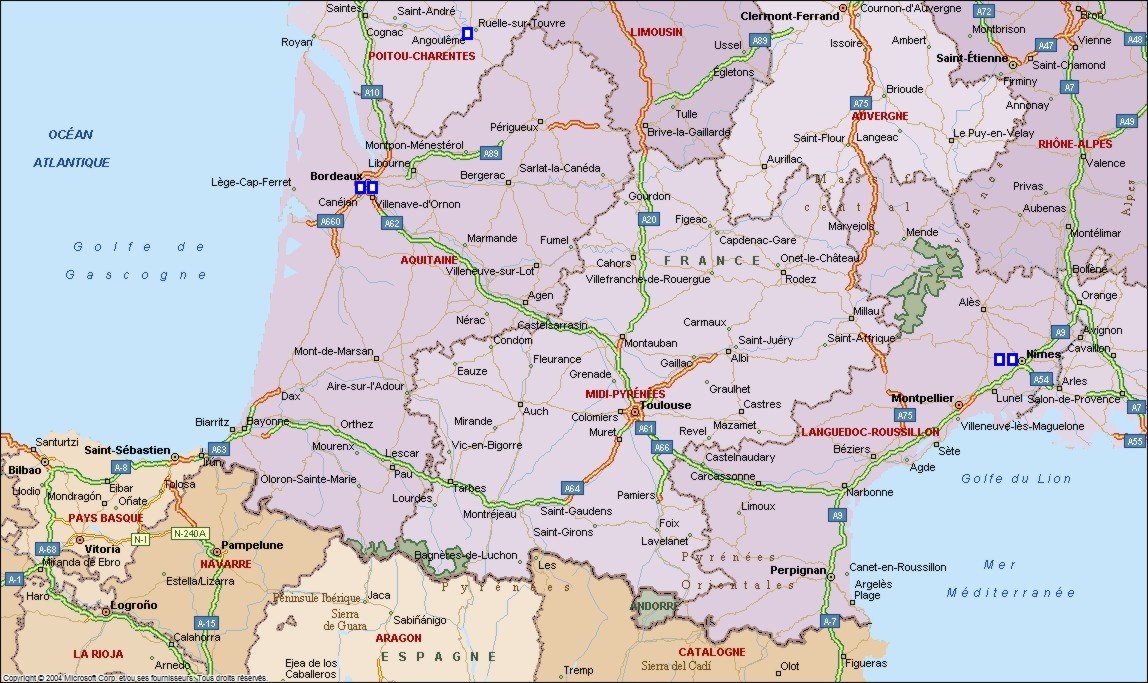
Residents living near Bordeaux-Mérignac Airport are entering a critical window to influence potential changes to nocturnal aviation. A draft ministerial decree proposing new night flight restrictions is currently open for public consultation, providing a formal mechanism for stakeholders to contest or support the proposed measures before the June 30 deadline.
The proposed regulations aim to address increasing concerns regarding noise pollution in the Gironde region. For local residents’ associations, the consultation represents a primary opportunity to influence the legal framework governing how and when aircraft can operate during late-night and early-morning hours at one of France’s significant regional hubs.
What are the proposed night flight restrictions in Bordeaux?
The draft ministerial decree, currently under review, seeks to establish specific parameters for flight operations during nighttime hours. While the exact technical specifications of the flight paths and decibel limits are subject to the ongoing consultation, the primary objective of the decree is to mitigate the acoustic impact on the communities surrounding the Bordeaux-Mérignac Airport.

Under French administrative law, such a decree is a formal regulatory instrument used by the Ministry to manage environmental impacts within the aviation sector. The consultation process allows the public to review the legal text and submit formal observations. These submissions are intended to inform the final version of the decree, which will eventually be published via official channels such as Legifrance, the official website for French law.
The consultation period is strictly timed, with all formal responses required to be submitted by June 30. This deadline serves as the final cutoff for citizens and organized groups to provide evidence, personal testimony, or technical arguments regarding the proposed flight schedules.
The role of residents’ associations in the consultation
Local residents’ associations, often referred to in France as “riverains,” have become central players in the debate over airport expansion and nocturnal operations. These groups represent the interests of communities directly situated under flight paths, arguing that current noise levels pose significant risks to public health and quality of life.
According to local reports, these associations are utilizing the current consultation period to unveil specific demands and data regarding the impact of night flights. Their primary focus includes:
- Sleep Disturbance: Documenting the physiological and psychological effects of irregular nocturnal noise on local populations.
- Property Values: Highlighting the economic impact of living in high-noise zones near the airport.
- Health Advocacy: Citing environmental health standards to argue for stricter decibel ceilings during the hours of 11:00 PM to 6:00 AM.
By organizing collectively, these associations aim to present a unified front to the Ministry, moving beyond individual complaints to a structured legal and environmental challenge. Their involvement is expected to be a decisive factor in how the Ministry weighs the balance between economic aviation needs and community well-being.
Operational and economic considerations for the airport
While residents focus on health and quietude, airport operators and airline carriers view night flight restrictions through a lens of economic connectivity and logistical efficiency. Bordeaux-Mérignac Airport serves as a vital node for both passenger travel and freight movement in southwestern France.
Aviation industry stakeholders often argue that overly restrictive night curfews can lead to several negative outcomes:
- Increased Costs: Airlines may face higher operational costs if they are forced to reschedule flights or divert to other hubs.
- Logistical Disruptions: Reduced night-time cargo capacity can impact supply chains that rely on rapid overnight transit.
- Reduced Competitiveness: Stricter regulations might make the airport less attractive for international carriers compared to other European regional airports with more flexible operating hours.
The Ministry must navigate these competing interests. The decision-making process involves balancing the legal mandates for environmental protection and noise reduction against the economic necessity of maintaining a functional and competitive aviation infrastructure.
Why the noise pollution debate matters
The conflict in Gironde is part of a broader international trend where growing air traffic intersects with densifying urban populations. As cities expand toward airport perimeters, the “noise footprint” of an airport increasingly overlaps with residential zones.
Scientific research into noise pollution has established clear links between prolonged exposure to aircraft noise and various health issues, including cardiovascular stress and sleep disorders. This has led to increased pressure on governments to implement “noise abatement” procedures, which include specific flight paths, engine power restrictions during takeoff, and strictly enforced curfews.
The outcome of the Bordeaux consultation will likely serve as a precedent for how other regional French airports handle similar tensions between growth and environmental regulation.
Comparison of Stakeholder Perspectives
| Stakeholder Group | Primary Objective | Key Argument |
|---|---|---|
| Residents’ Associations | Noise mitigation and health protection | Night flights disrupt sleep and decrease quality of life. |
| Airport/Airlines | Operational continuity and economic growth | Restrictions increase costs and reduce logistical efficiency. |
| Government/Ministry | Regulatory balance and legal compliance | Must balance environmental law with economic interests. |
Frequently Asked Questions
When is the deadline for the public consultation?
The public consultation regarding the draft ministerial decree for night flight restrictions ends on June 30.
Who can participate in the consultation?
Any individual, resident, or organization affected by the airport’s operations is encouraged to submit their views through the official government consultation channels.
What happens after the consultation ends?
The Ministry will review all submitted comments and observations. This feedback is used to refine the draft decree before it is finalized and officially enacted into law.
Where can I find official updates on this decree?
Updates and the final text of the decree will be published on official French government platforms, such as service-public.fr and the official ministerial website.
The next major milestone in this process will be the Ministry’s review of the consultation results following the June 30 deadline. Official announcements regarding the final text of the decree are expected to follow the conclusion of this review period.
What are your thoughts on the proposed flight restrictions? Do you live near the airport? Let us know in the comments below and share this article with your community.