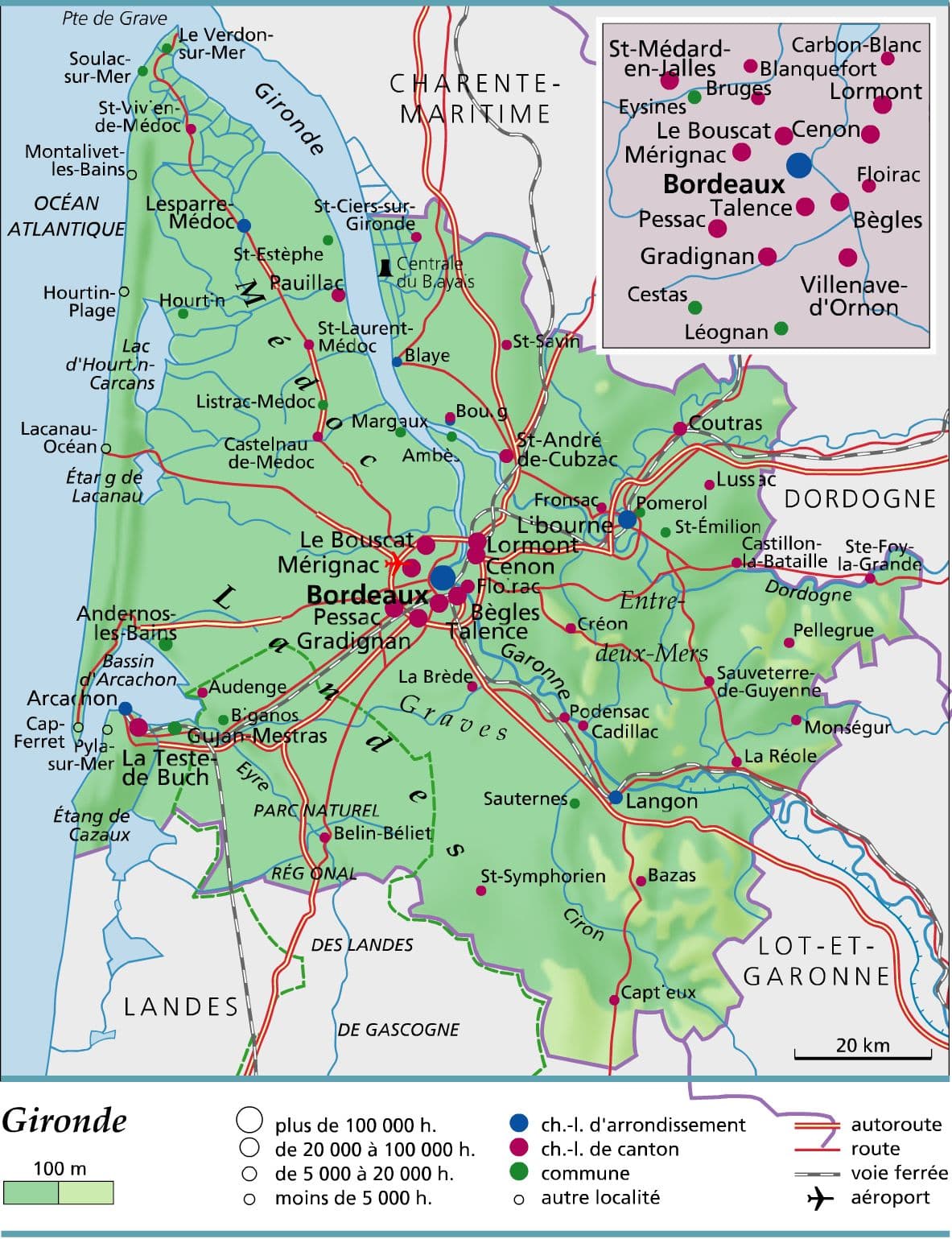
More than 12,500 hectares of forest have been destroyed and 44,000 people have been evacuated across the Gironde department in southwestern France following a massive wildfire outbreak that accelerated rapidly over a two-day period, according to emergency services and regional authorities. The aggressive spread of the flames forced widespread emergency operations through the pine-heavy region, mirroring severe wildfire patterns seen in previous years and prompting large-scale displacements from residential areas and tourist destinations alike.
The fast-moving blazes tore through dense vegetation under extreme meteorological conditions, overwhelming initial containment lines and prompting the mobilization of hundreds of firefighters and specialized aerial units. Local prefectures coordinated mandatory evacuations as thick plumes of smoke drifted across the landscape, transforming popular coastal spots and holiday sectors into near-deserted zones.
Emergency responders and local civil protection teams have maintained round-the-clock operations to secure perimeter lines and protect vulnerable infrastructure. According to updates provided by regional disaster management agencies, air support units conducted continuous water drops while ground crews carved out firebreaks to halt the eastward progression of the flames. The sudden onset of the crisis left little time for residents and seasonal visitors to prepare, sparking logistical challenges for temporary shelter management across the department.
Scale of Destruction and Evacuation Zones in Gironde
The wildfires have charred over 12,500 hectares of forested land, obliterating swaths of the regional ecosystem and threatening multiple municipalities. Officials confirmed that 44,000 individuals were evacuated from homes, campsites, and commercial properties as the front advanced unchecked through dry brush and timber. Popular tourism hubs, including areas along the Cap Ferret peninsula, experienced what local observers described as a ghost-town atmosphere following mandatory departure orders.
The geographic footprint of the disaster has drawn immediate comparisons by regional analysts to the devastating fires of 2012 and subsequent major incidents in Landiras and La Teste. Similarities in meteorological stress, soil dryness, and wind patterns have fueled concerns among forestry experts regarding the increasing vulnerability of southwestern pine forests during prolonged summer heatwaves. Local authorities continue to map damaged sectors as containment efforts slowly progress.
Impact on Tourism, Travel, and Consumer Rights
The timing of the disaster during peak holiday season has caused widespread disruption for travelers, forcing the cancellation of bookings, tours, and resort stays throughout the affected zones. Consumer protection bodies and tourism federations have issued guidance regarding refunds and compensation rights for vacationers whose plans were upended by the emergency decrees and site closures. Industry representatives note that visitors holding unfulfilled reservations due to official evacuation orders are generally entitled to full refunds or rescheduling options under French consumer law.
Local businesses in the hospitality and leisure sectors face mounting economic losses as cancellations mount across the basin.
Next Steps and Official Emergency Protocols
Fire suppression and cooling operations remain active across the Gironde department as crews monitor for potential flare-ups driven by shifting winds and high ambient temperatures. The prefecture of Gironde has announced that entry restrictions and access bans across sensitive woodland areas remain strictly enforced until further notice. Residents and visitors are urged to consult official channels managed by the Ministry of the Interior and local emergency services for real-time safety updates, evacuation status reports, and road closure maps.
Related reading
- Suprema confirma expulsión de estudiante de básica que acumuló 42 anotaciones negativas en un año – BioBioChile
- La migliore pasta di New York? Dopo aver provato decine di ristoranti in città, questa è …
- Uncontrollable Wildfires Sweep Across Europe: Thousands Evacuated in Spain and France (newsdirectory3.com)
- Why 20 Different Wildfires Can Share One Name (daybreakwire.com)