
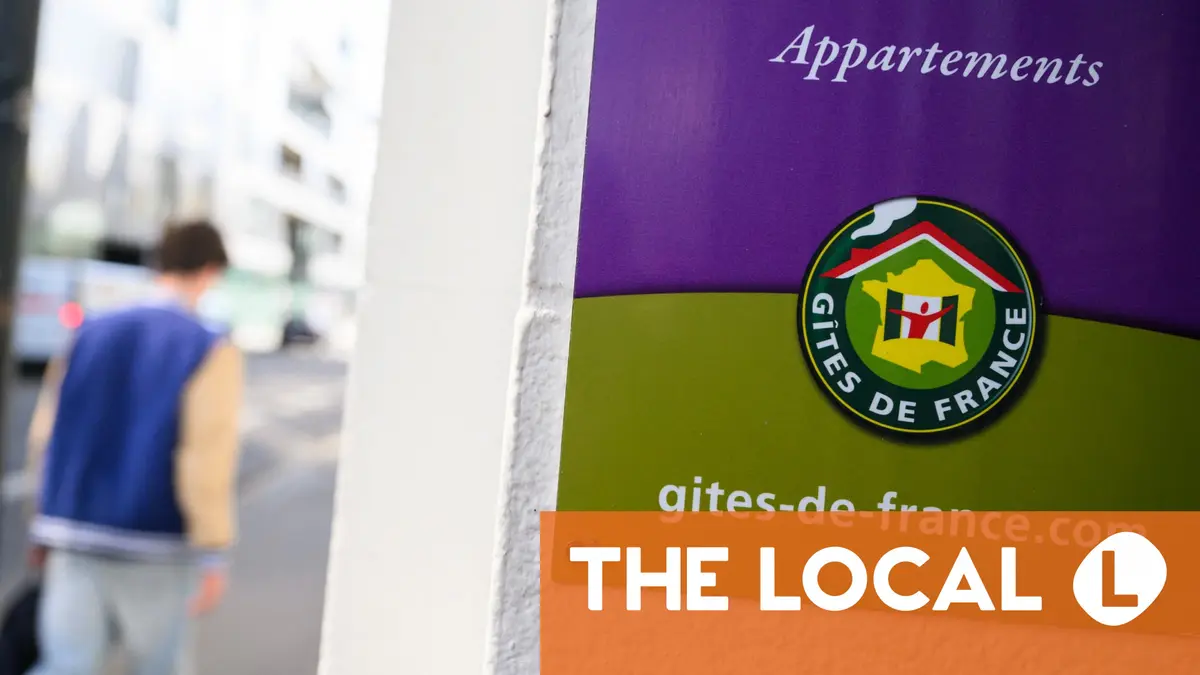
Gîtes de France, the national network of rural holiday rentals, has launched a comprehensive modernization strategy to maintain its market share against international platforms like Airbnb and Booking.com. The organization, which manages roughly 42,000 properties across France, intends to upgrade its digital infrastructure and service offerings to better cater to changing traveler expectations, according to official statements from the federation.
Founded in 1955 to support rural development and agricultural heritage, Gîtes de France has long served as a staple of French tourism. The current shift toward digital modernization is a response to the dominance of global platforms that emphasize rapid booking and algorithmic visibility. As reported by the organization, the goal is to balance its traditional focus on “authentic” rural experiences with the technical demands of modern, tech-savvy consumers.
The modernization plan comes as the short-term rental market faces increased regulatory scrutiny in France. Legislation, such as the “Anti-Airbnb” bill currently under discussion in the French Senate, seeks to tighten tax rules and energy efficiency requirements for holiday rentals, as outlined in reports by Reuters. These regulatory shifts create a complex environment for property owners, known as gîte owners, who must now navigate both digital modernization and stricter compliance standards.
Digital Transformation and Market Competition
The core of the modernization effort focuses on the Gîtes de France booking portal. Historically, the network relied on a decentralized model, but the new strategy emphasizes a unified digital experience. According to the federation’s strategic outlook, this includes implementing dynamic pricing tools and improved search functionality to compete directly with global competitors that have captured a significant share of the European rental market.
The competitive landscape has shifted dramatically over the last decade. Data from the French National Institute of Statistics and Economic Studies (INSEE) indicates that the volume of short-term rentals has grown consistently, placing pressure on traditional hospitality models. By updating its booking engine, Gîtes de France aims to reduce the friction that often drives younger, international travelers toward private booking platforms.
Maintaining Rural Identity Amid Modernization
Despite the push for digital efficiency, the organization maintains that its core mission remains the preservation of rural tourism and local economies. Unlike global platforms that often aggregate urban apartments, the Gîtes de France model is rooted in the “gîte” concept—properties that are typically located in rural or semi-rural areas, often attached to working farms or historic buildings.

The organization’s leadership has emphasized that while the interface will become more modern, the quality control process remains distinct. Every property in the network undergoes a classification process based on a star-rating system, a practice that the network argues provides greater consumer protection than the self-regulated reviews common on major global platforms. This focus on “quality over quantity” is the primary value proposition the network is leaning into as it updates its operational framework.
Regulatory Challenges and Future Compliance
The modernization of the Gîtes de France network occurs against a backdrop of significant legislative activity. In November 2024, the French Senate approved measures intended to address the housing crisis by limiting the tax advantages previously enjoyed by owners of short-term furnished rentals, as confirmed by the Financial Times. These new regulations are expected to influence how many property owners manage their listings moving forward.
For the Gîtes de France network, this means assisting its thousands of hosts in adapting to new energy performance certificate (DPE) requirements and local rental caps. As the organization transitions, it is positioning itself as a partner for hosts who may find the administrative burden of operating a rental property increasingly difficult to manage independently. By providing centralized support, the network hopes to retain property owners who might otherwise leave the market due to the rising regulatory complexity.
What Happens Next for the Network
The next phase of the modernization plan involves a phased rollout of updated booking features throughout 2025. Stakeholders are expected to monitor the impact of these changes on booking volumes and host retention rates. As the French government continues to refine its approach to the “Loi Airbnb” (the short-term rental regulation bill), the federation is expected to release further guidance for its members regarding tax compliance and property renovation standards.

Updates regarding the implementation of these digital tools and any changes to the federation’s membership requirements will be made available through the official Gîtes de France portal. Readers interested in the evolution of French rural tourism are encouraged to follow the organization’s upcoming annual report, which typically outlines the progress of its strategic initiatives.