
Routine OCT Scans in Eye Exams Could Detect Undiagnosed Conditions Earlier
Optical coherence tomography (OCT) imaging during standard eye exams may uncover undiagnosed eye conditions—including glaucoma—in patients who would otherwise go unnoticed, according to new research presented at a major optometry conference. The findings suggest that integrating OCT scans into routine care could significantly improve early detection rates for vision-threatening diseases.
In a prospective study of 104 patients aged 35 and older, researchers found that offering free spectral-domain OCT imaging during routine eye examinations led to 13 referrals for further glaucoma evaluation. One patient was subsequently diagnosed with active glaucoma, a disease that can cause irreversible vision loss if untreated. The study, presented at the 2023 Optometry’s Meeting, highlights how advanced imaging technologies may bridge gaps in traditional eye care protocols.
Glaucoma, often called the “silent thief of sight,” typically progresses without noticeable symptoms until significant damage has occurred. By the time patients experience vision changes, up to 40% of their optic nerve fibers may already be damaged, according to the Glaucoma Research Foundation. Early detection through OCT could change that narrative, experts say.
- OCT scans provide high-resolution cross-sectional images of the retina and optic nerve, detecting structural changes years before functional vision loss occurs.
- Glaucoma affects over 60 million people worldwide, with half unaware they have the disease.
- Early intervention can slow or halt progression in 90% of cases, yet many patients receive diagnoses only after irreversible damage has occurred.
How the Study Worked: OCT’s Role in Routine Eye Care
The research, conducted at the Illinois Eye Institute, offered spectral-domain OCT imaging—a non-invasive, painless test—during routine eye exams for patients with no prior glaucoma risk factors. Using the Maestro2 system by Topcon Healthcare, the team captured detailed images of each patient’s optic nerve head and retinal nerve fiber layer.
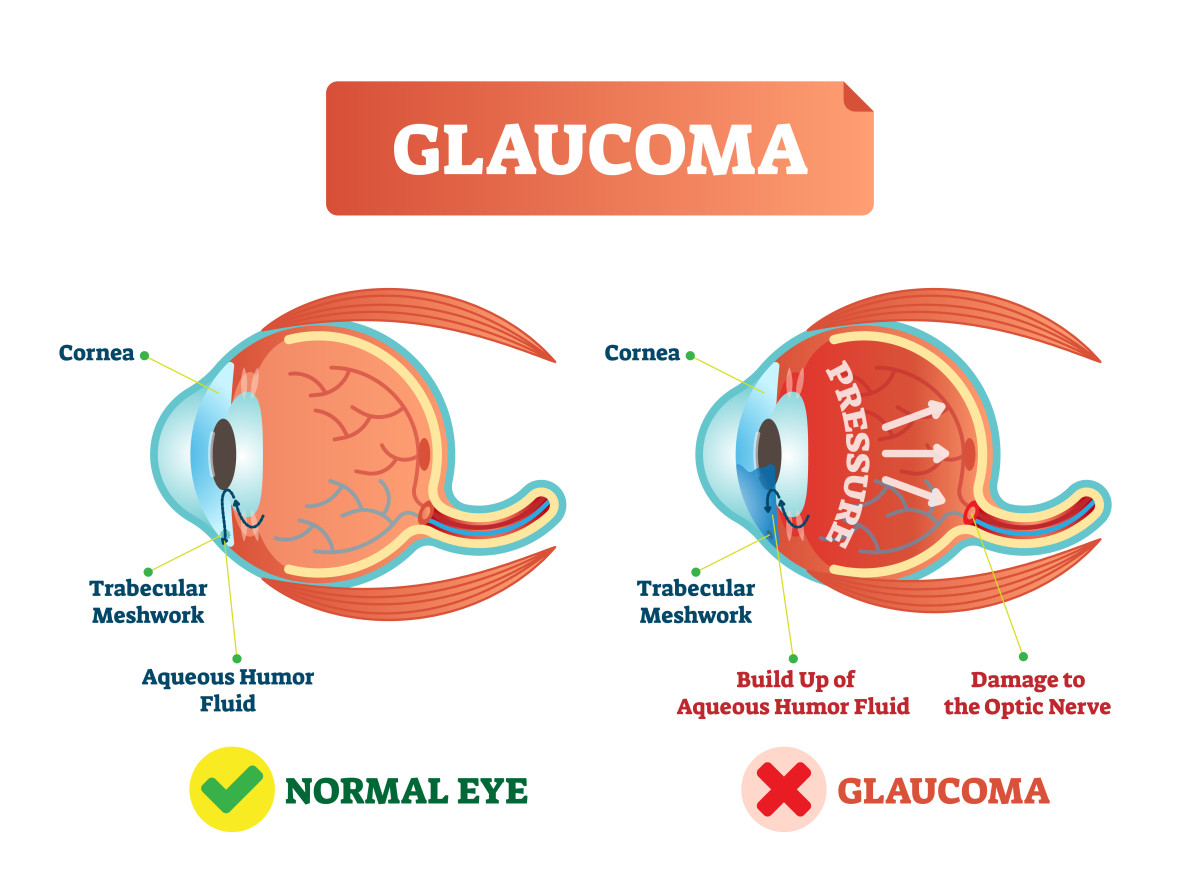
Michael Chaglasian, OD, FAAO, a professor at the Illinois College of Optometry, led the study. “What we found was striking,” he noted in a presentation. “Thirteen percent of patients who had no symptoms or family history of glaucoma showed signs that warranted further evaluation. One in ten of those referred was diagnosed with active disease.”
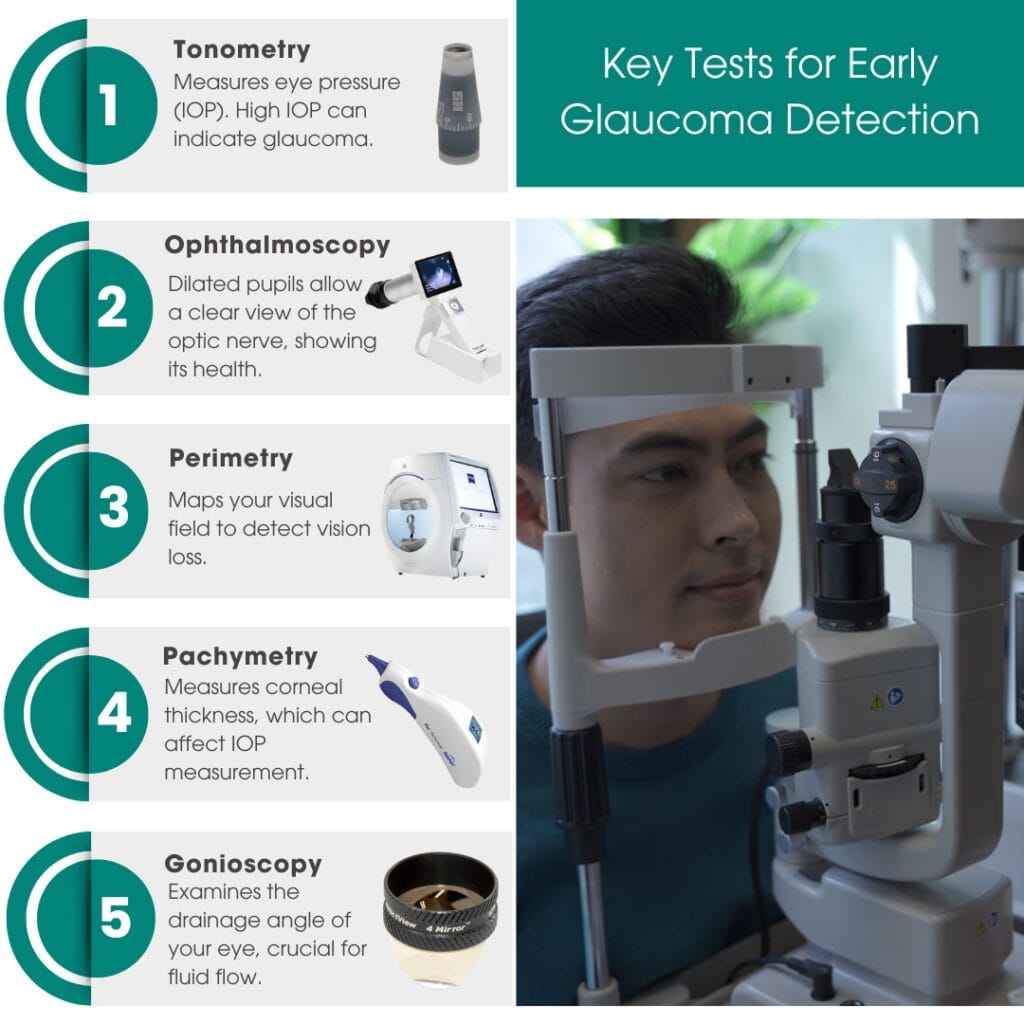
Traditional eye exams often rely on tonometry (measuring eye pressure) and visual field testing, which may miss early glaucoma changes. OCT’s ability to detect microscopic structural abnormalities makes it a powerful complementary tool, according to American Optometric Association guidelines.
Beyond Glaucoma: What Other Conditions Could OCT Detect?
While the study focused on glaucoma, OCT’s capabilities extend to other eye diseases. The technology can identify:
- Age-related macular degeneration (AMD): Detects fluid leakage or retinal thinning before central vision loss occurs (NEI).
- Diabetic retinopathy: Reveals microaneurysms and retinal swelling in diabetic patients (CDC).
- Retinal detachment: Shows separation of retinal layers that require immediate treatment.
- Optic neuritis: Associated with multiple sclerosis, detectable via optic nerve swelling.
Dr. Fischer notes that “the real breakthrough here isn’t just detecting glaucoma earlier—it’s the potential to catch a spectrum of conditions that patients might never know they have. Many of these diseases are asymptomatic until late stages, and OCT gives us a window into the eye’s health that wasn’t possible before.”
Barriers to Widespread OCT Use in Routine Care
Despite its benefits, OCT isn’t universally available in eye care settings. Cost remains a primary barrier: a single scan can range from $50 to $200 per patient, depending on the clinic and region. Insurance coverage varies by country—while Medicare covers OCT for glaucoma suspects in the U.S., many private insurers require prior authorization.
In Europe, reimbursement policies differ by nation. For example, Germany’s Federal Joint Committee (G-BA) covers OCT for diabetic retinopathy screening but not routinely for glaucoma in asymptomatic patients. The European Society of Ophthalmology has called for standardized guidelines to improve access.
Advocates argue that the long-term savings from early intervention—reducing blindness-related healthcare costs—could justify broader adoption. A 2018 study in Ophthalmology estimated that treating glaucoma at an early stage saves $10,000 per patient over a lifetime compared to late-stage management.
Next Steps: Research and Policy Directions
Several key developments are shaping the future of OCT in eye care:
- Expanded clinical trials: Researchers are testing OCT’s role in detecting neurodegenerative diseases like Alzheimer’s, which may show early signs in retinal changes.
- Artificial intelligence integration: AI algorithms are being trained to analyze OCT scans for subtle patterns, potentially increasing detection rates (Nature study).
- Portable OCT devices: Companies like Ophir Optronics are developing handheld OCT systems for use in primary care settings.
- Policy advocacy: Organizations like the Prevent Blindness Association are pushing for OCT to be included in standard eye exam protocols.
Looking ahead, the World Health Organization has set a target to eliminate avoidable blindness by 2030. Early detection technologies like OCT will be critical to meeting this goal, particularly in regions with limited access to specialist care.
Frequently Asked Questions About OCT and Eye Health
No. OCT is a non-invasive test that uses light waves to take cross-sectional images of the retina. It feels like looking into a bright light for a few seconds—no contact with the eye is needed.
Current guidelines recommend OCT for:
- Patients with glaucoma risk factors (age 40+, family history, high eye pressure).
- Diabetics annually for diabetic retinopathy screening.
- Those with unexplained vision changes or a family history of retinal diseases.
Routine OCT for asymptomatic patients isn’t yet standard, but emerging research may change these recommendations.
No. OCT complements—but doesn’t replace—exams like visual acuity tests, tonometry, and dilated retinal exams. It provides detailed structural information that traditional methods can’t.

OCT is considered very safe. The light used is harmless, and there’s no radiation exposure. Rarely, some patients may experience temporary eye strain or light sensitivity during the scan.
Have you had an OCT scan during a routine eye exam? Share your experience in the comments below—or ask Dr. Fischer a question about eye health.
For more on eye health innovations, explore our guide to advanced diagnostic tools or read about how telemedicine is transforming ophthalmology.
The next major update on OCT research will come from the American Optometric Association’s 2024 conference, where additional studies on AI-assisted OCT analysis are expected to be presented. Meanwhile, the WHO’s Global Action Plan for the Prevention of Avoidable Blindness will release its 2025 progress report in March 2025, which may include recommendations on OCT integration in low-resource settings.
About the Author
Dr. Helena Fischer is a physician and health journalist with an MD from Charité – Universitätsmedizin Berlin. As Editor of Health at World Today Journal, she specializes in translating complex medical research into accessible, evidence-based reporting. Her work has been recognized with the European Health Journalism Award (2023) for innovative science communication.
Keep reading
- WHO Warns DRC Ebola Outbreak Could Become Deadliest in History
- WHO and KSrelief Sign Major Health Agreements at Riyadh International Humanitarian Forum 2025
- Meet Cartoonist Mike Greaney and His Hilarious Comics with Unexpected Endings (archynewsy.com)
- GPS Tracking Reveals Lesser Flamingo Migration Routes in East Africa (time.news)