
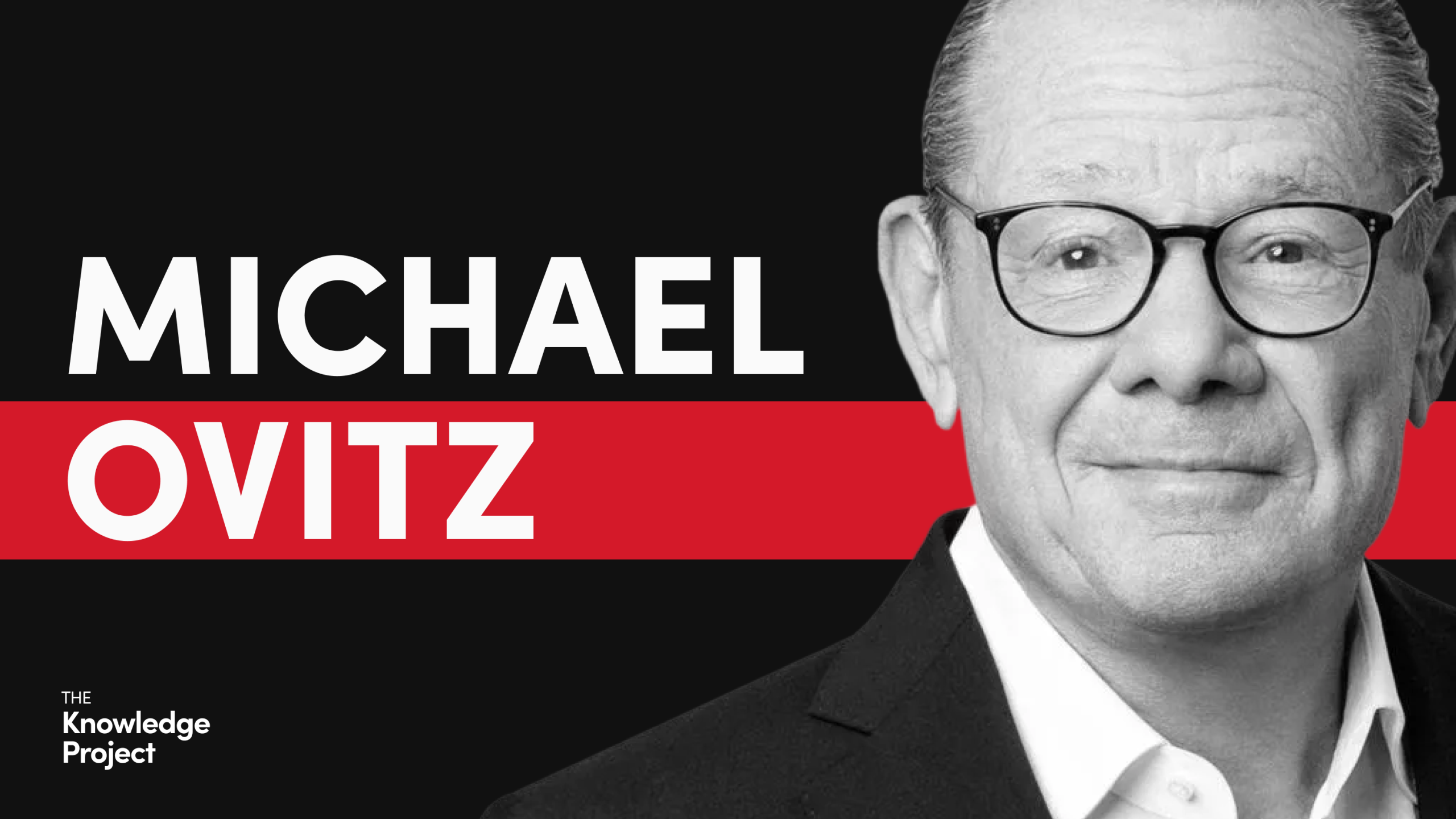
Michael Ovitz, the co-founder of Creative Artists Agency (CAA), reportedly walked out of a legal deposition on June 1 after being questioned about his relationship with Jeffrey Epstein. The incident occurred during a lawsuit filed by actress Julia Ormond, who alleges that CAA facilitated a meeting that led to her sexual assault by Harvey Weinstein in December 1995.
The deposition was part of the ongoing legal discovery process in the litigation brought by Ormond against the talent agency. According to court proceedings, the questioning turned to Ovitz’s social and professional connections to Epstein, prompting the co-founder to end his testimony abruptly. Legal representatives for Ormond have not yet issued a formal statement regarding the impact of the walkout on the upcoming trial schedule.
What triggered Michael Ovitz to leave the deposition?
During the proceedings on June 1, attorneys representing Julia Ormond directed questions toward Michael Ovitz regarding his friendship with the late financier Jeffrey Epstein. While the specific nature of the questions has not been fully disclosed in public filings, the line of inquiry appeared to focus on Ovitz’s social circles and potential connections to Epstein’s network.

Upon being asked about these associations, Ovitz reportedly exited the deposition. Legal experts note that a witness’s refusal to continue a deposition can lead to various judicial sanctions, including orders to pay attorney fees or, in some cases, the court striking certain testimony or evidence. The specific legal response to Ovitz’s departure remains pending a ruling from the presiding judge.
What are the specific allegations in the Julia Ormond lawsuit?
The lawsuit filed by Julia Ormond centers on events that took place in December 1995. Ormond alleges that agents at CAA played a role in “setting her up” to meet Harvey Weinstein, the former film producer at Miramax. The actress claims the agency’s actions facilitated an environment that allowed the sexual assault to occur.

The legal theory underpinning Ormond’s claim suggests that the agency may have had a duty of care to protect its clients and that the actions of its representatives contributed to the encounter with Weinstein. CAA has contested the allegations, and the case seeks to establish the extent of the agency’s liability in the conduct of industry figures during that period. The litigation is part of a broader wave of legal actions seeking accountability for the systemic failures that allowed the Weinstein misconduct to persist for decades.
How is CAA linked to the Harvey Weinstein allegations?
The relationship between major Hollywood talent agencies and powerful producers has been a focal point of investigations into the Weinstein era. CAA, founded by Ovitz and others, was one of the most influential agencies in the industry, representing a vast array of talent and maintaining close ties with major studios and producers.
In the Ormond case, the plaintiffs are attempting to prove that the agency’s professional conduct crossed into negligence or complicity regarding the safety of its clients. This connection is critical to the case, as it moves the focus from the individual actions of Harvey Weinstein to the institutional responsibilities of the organizations that managed the professional lives of the actors involved. The outcome of this case could set a precedent for how talent agencies are held liable for the conduct of the clients and partners they facilitate.
To understand the context of this legal battle, it is necessary to look at the timeline of the figures and events involved:
| Date/Period | Event | Significance |
|---|---|---|
| December 1995 | Alleged encounter between Julia Ormond and Harvey Weinstein | The core event cited in the Ormond lawsuit. |
| Post-2017 | Global exposure of Harvey Weinstein’s misconduct | Triggered numerous lawsuits and industry-wide reforms. |
| Recent Years | Julia Ormond files suit against CAA | Targets agency liability in the 1995 incident. |
| June 1 | Michael Ovitz deposition walkout | Occurred during questioning regarding Jeffrey Epstein. |
What are the legal consequences of a witness walking out of a deposition?
In civil litigation, a deposition is a formal process where witnesses provide sworn testimony under oath. When a witness refuses to answer questions or leaves the session, it can be viewed by the court as a failure to comply with discovery obligations. Under standard legal procedures, the party seeking the testimony can file a motion to compel the witness to return or to seek sanctions.
Common sanctions include:
- Monetary Sanctions: The court may order the witness or their legal team to pay the opposing side’s legal fees incurred due to the interruption.
- Issue Preclusion: A judge may rule that certain facts are “taken as true” for the purpose of the trial because the witness refused to testify about them.
- Contempt of Court: In extreme cases, a witness may be held in contempt, which can involve fines or other judicial penalties.
The effectiveness of these sanctions depends on the judge’s discretion and the specific rules of the jurisdiction where the case is being heard. The legal team for Ormond will likely present the details of Ovitz’s departure to the court to determine the appropriate remedy.
Why does the Epstein connection matter in this case?
The inclusion of questions regarding Jeffrey Epstein in a lawsuit involving Harvey Weinstein and CAA highlights the scrutiny being applied to the social and professional networks of Hollywood’s elite. Investigators and plaintiffs’ attorneys have frequently looked for patterns of behavior among powerful figures who moved in similar social circles.
While the Epstein connection may not be directly related to the 1995 incident involving Ormond, the line of questioning often aims to establish a broader context of influence, power dynamics, and the types of environments in which these individuals operated. For the plaintiffs, understanding the networks of the defendants is a key component of building a case regarding institutional culture and accountability.
The next scheduled development in this matter will be the court’s response to the interrupted deposition and any subsequent motions filed by the legal teams involved. We will continue to monitor court filings for updates on the Ormond v. CAA proceedings.
What are your thoughts on the legal responsibility of talent agencies in these cases? Let us know in the comments below and share this article with your network.
Keep reading