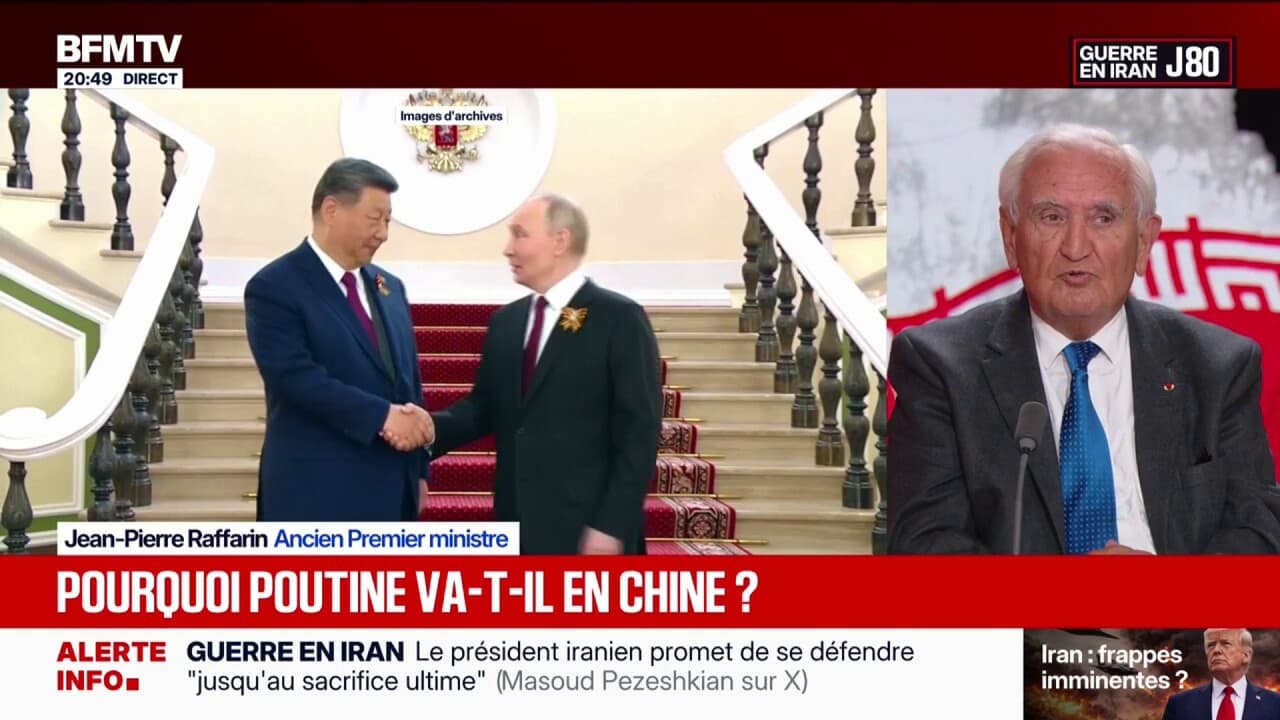
Russian President Vladimir Putin arrived in China this week for a high-stakes visit that has sent ripples through global diplomacy, with observers noting a marked shift in his posture compared to previous engagements. According to Jean-Pierre Raffarin, a former French prime minister and longtime Russia watcher, Putin’s trip reflects “a state of weakness”—a rare public assessment of the Kremlin leader’s current standing. While Kremlin officials have framed the visit as a routine diplomatic exchange, the backdrop of economic sanctions, military setbacks in Ukraine, and growing internal dissent paints a more complex picture.
The visit to Beijing, where Putin will meet with Chinese President Xi Jinping, comes at a pivotal moment for both nations. China has emerged as Russia’s most critical economic and political partner since the invasion of Ukraine, providing a lifeline through trade, energy deals, and diplomatic cover. Yet, the relationship is not without tension. Western intelligence agencies and analysts have noted that while China has avoided outright condemnation of Russia’s actions, it has also refused to endorse Moscow’s core demands, such as the annexation of Ukrainian territories. The question now is whether Xi will offer Putin concrete support—or whether this visit will expose deeper divisions.
Raffarin’s characterization of Putin’s “state of weakness” aligns with broader assessments from Western intelligence and independent analysts. Estonia’s spy chief, for instance, has previously described Putin as facing “very challenging choices” amid sanctions that have crippled Russia’s economy and military capabilities. Meanwhile, Ukraine’s President Volodymyr Zelenskyy has accused Russian forces of breaching a three-day ceasefire, underscoring the ongoing volatility of the war. The timing of Putin’s trip—just days after a private garden walk with U.S. President Donald Trump in China—adds another layer of intrigue, as the two leaders appear to be navigating a delicate balance of alliances and rivalries.
Why This Visit Matters: The Geopolitical Stakes
Putin’s visit to China is not merely symbolic. We see a calculated move in a game of high-stakes geopolitics where Russia’s survival—and Ukraine’s future—hang in the balance. Economically, China has become the linchpin of Russia’s sanctions-evading strategy, with trade surging to record levels. However, this economic interdependence masks deeper strategic uncertainties. While China has avoided direct military support for Russia, it has also resisted calls to fully isolate Moscow, creating a delicate equilibrium that benefits both sides—but neither fully.
For Putin, the visit is an opportunity to secure additional economic concessions, particularly in energy and technology, where Russia has faced severe restrictions in the West. Yet, the Kremlin’s isolation and the strain on its military resources have left Putin in a precarious position. Analysts at the Brookings Institution have noted that Russia’s war economy is showing signs of fatigue, with domestic discontent rising and military recruitment struggles intensifying. The question for Xi Jinping is whether to deepen the partnership—or risk alienating both the West and his own domestic audience by appearing too closely aligned with an increasingly pariah state.
Economic Realities: Russia’s Desperate Dependence on China
China’s role as Russia’s economic lifeline cannot be overstated. Since the invasion of Ukraine, Russian exports to China have skyrocketed, with energy products—particularly oil and gas—leading the charge. However, this dependence comes with risks. While China has increased imports of Russian crude, it has also diversified its energy sources, reducing its vulnerability to Russian supply disruptions. China’s own economic slowdown and domestic challenges may limit its ability—or willingness—to provide unlimited support to Moscow.

According to a report by the Financial Times, China’s imports of Russian oil surged by over 50% in the first quarter of 2026 compared to the same period the previous year. Yet, even this surge has not been enough to offset the losses Russia has incurred due to Western sanctions. The Kremlin’s attempts to bypass these sanctions through alternative markets—such as India and the United Arab Emirates—have yielded mixed results, leaving Putin with few options but to lean even harder on Beijing.
Domestic Pressures: A Leader Under Siege
Beyond the geopolitical chessboard, Putin’s visit to China also reflects the mounting pressures he faces at home. The war in Ukraine has become increasingly unpopular among the Russian public, with reports of growing dissent and even open defiance within elite circles. A recent Guardian investigation highlighted a rare public rift within the Kremlin, with a pro-government lawyer turning against Putin’s policies—a sign of deepening internal fractures.
Militarily, Russia’s gains in Ukraine have been leisurely and costly, with Western intelligence assessments suggesting that Moscow’s forces are struggling to make significant progress. Meanwhile, Ukraine’s drone strikes and Western military aid have kept Russian advances in check, forcing Putin to seek alternative avenues for support. The question now is whether China will provide the kind of backing that could turn the tide—or if this visit will simply underscore Russia’s growing isolation.
What Happens Next: The Road Ahead
The outcomes of Putin’s visit to China will be closely watched by the international community. While no major announcements have been made public ahead of the trip, diplomats and analysts expect discussions to focus on three key areas:
- Economic cooperation: Will China deepen its trade and energy partnerships with Russia, or will it impose new conditions to protect its own economic interests?
- Military and technological support: Will China provide Russia with critical military equipment or technology, or will it maintain its current stance of non-interference?
- Diplomatic alignment: Will China use this visit to push for a negotiated settlement in Ukraine, or will it continue to avoid taking a firm position on the conflict?
One thing is clear: Putin’s visit is a gamble. If it yields tangible benefits—such as new trade deals or diplomatic cover—it could buy Russia some much-needed breathing room. However, if it fails to deliver, it could further expose the Kremlin’s vulnerabilities and accelerate the erosion of Putin’s already fragile authority.
Key Takeaways
- Putin’s visit to China is a sign of Russia’s growing isolation and economic desperation. With Western sanctions crippling its economy, Moscow is increasingly reliant on Beijing for survival.
- China’s role is both a lifeline and a double-edged sword. While it provides critical economic support, it also refuses to fully endorse Russia’s actions in Ukraine, leaving Moscow in a precarious position.
- Domestic pressures are mounting for Putin. Military setbacks, economic struggles, and growing dissent within elite circles are testing his grip on power.
- The war in Ukraine remains the defining factor. Without a breakthrough in negotiations, Russia’s position will continue to weaken, regardless of China’s support.
- Global diplomacy is entering a new phase. The interplay between Russia, China, and the West will shape the next chapter of the Ukraine conflict and the broader geopolitical landscape.
What to Watch For
The next critical checkpoint will be the joint statements issued by Russia and China following Putin’s visit. These will likely include:
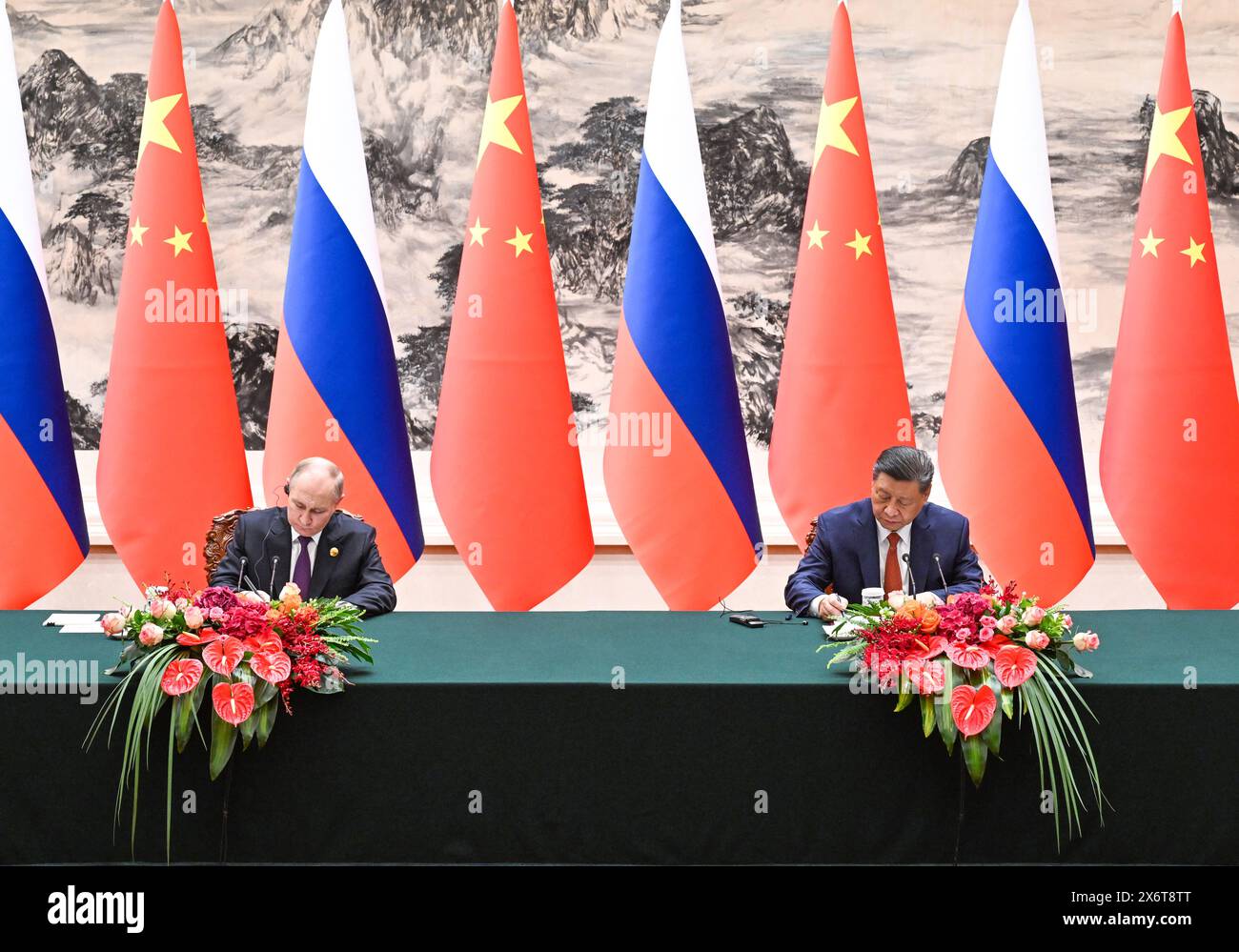
- Any new economic agreements, particularly in energy and technology.
- Statements on the Ukraine war, including whether China will push for a negotiated settlement or continue its current neutral stance.
- Signs of deeper military cooperation, such as joint exercises or arms sales.
In the meantime, the international community—particularly Ukraine, the United States, and European allies—will be closely monitoring developments. The outcome of this visit could redefine the balance of power in Eastern Europe and beyond.
As the world watches, one thing is certain: Vladimir Putin’s future hinges not just on what he achieves in China, but on whether he can navigate the treacherous waters of war, sanctions, and domestic unrest. For now, the Kremlin’s leader is in Beijing, but the real battle for Russia’s survival is far from over.
What are your thoughts on Putin’s visit to China? Share your insights in the comments below, and don’t forget to follow World Today Journal for the latest updates on this developing story.
Worth a look