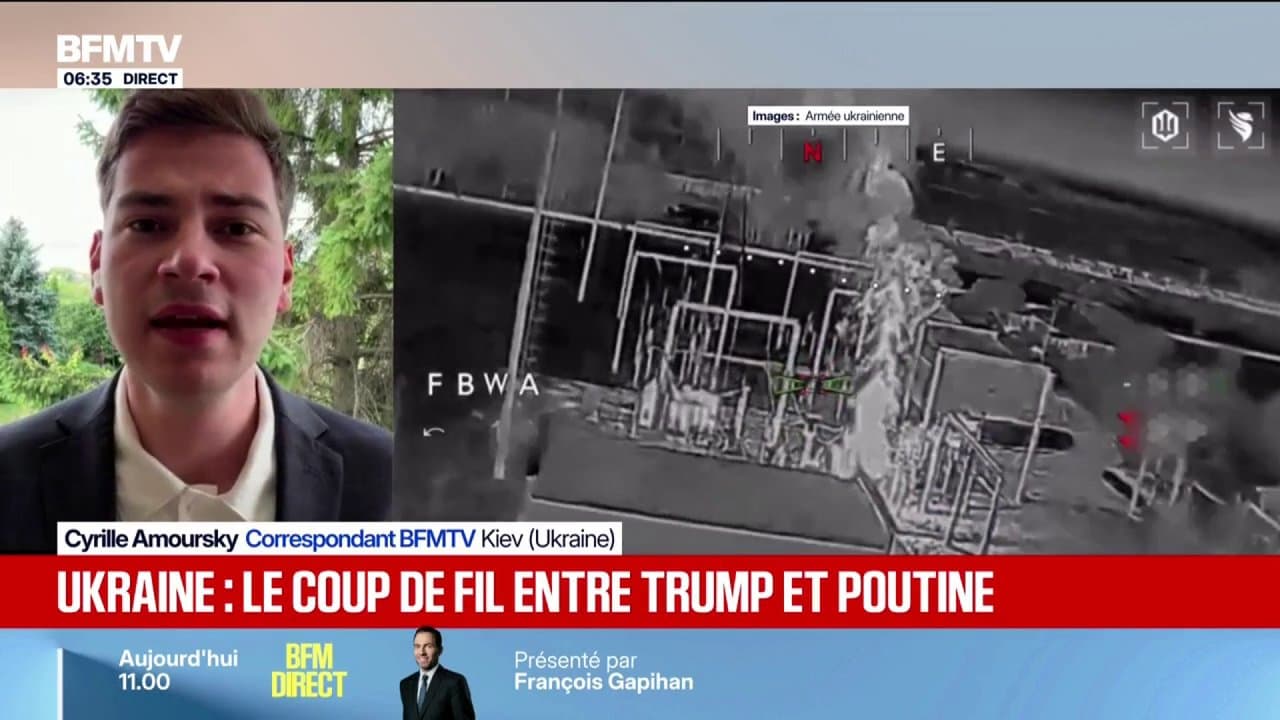
President-elect Donald Trump has held separate telephone conversations with Russian President Vladimir Putin and Ukrainian President Volodymyr Zelenskyy following his victory in the 2024 U.S. presidential election. These discussions represent early, informal diplomatic outreach as the incoming administration prepares to address the ongoing war in Ukraine, which has persisted since the full-scale Russian invasion in February 2022. While specific details of the calls remain limited, the engagements underscore the significant shift in U.S. foreign policy that is expected when the new administration takes office in January 2025.
According to reports verified by major news outlets including Reuters and the Washington Post, the conversation between Donald Trump and Vladimir Putin focused on the potential for de-escalation in the conflict. Sources familiar with the matter indicated that the President-elect advised the Russian leader against escalating the military situation in Ukraine, citing the significant U.S. military presence across Europe. The Kremlin has confirmed that President Putin is open to dialogue with the incoming U.S. administration, signaling a departure from the current diplomatic freeze between Washington and Moscow.
Simultaneously, President Volodymyr Zelenskyy described his own conversation with Donald Trump as “excellent,” noting that the two leaders agreed to maintain close dialogue and advance bilateral cooperation. The Ukrainian government has expressed cautious optimism regarding the transition, emphasizing the need for a “just peace” that respects Ukraine’s sovereignty and territorial integrity. The U.S. remains the largest provider of military and financial aid to Kyiv, with Congress having approved billions in assistance packages since the war began, as tracked by the Council on Foreign Relations.
The Geopolitical Landscape of the Transition
The incoming administration inherits a complex geopolitical environment defined by the NATO alliance’s unified support for Ukraine and Russia’s continued military mobilization. Donald Trump has frequently characterized the current level of U.S. spending on foreign conflicts as unsustainable, promising during his campaign to resolve the conflict within “24 hours.” Analysts from the Center for Strategic and International Studies note that while the President-elect has not provided a formal plan, his preference for direct, leader-to-leader negotiation is expected to reshape the current multilateral framework used by the Biden administration.

For the Ukrainian government, the primary concern remains the continuity of defense support. Since the conflict escalated in 2022, Kyiv has relied on advanced U.S. weaponry—including HIMARS rocket systems and Patriot air defense batteries—to repel Russian advances. Any significant change in U.S. policy could fundamentally alter the battlefield dynamics. According to the U.S. Department of Defense, official security assistance packages are authorized through existing legislative frameworks, and any shifts in strategy would require coordination with both the executive branch and congressional leaders.
International Reactions and Future Diplomatic Channels
European leaders have been closely monitoring these developments, as the war in Ukraine directly affects the security architecture of the European Union and NATO members. Following the U.S. election results, various heads of state have reached out to Donald Trump to reiterate the importance of transatlantic unity. The European Commission has maintained that any resolution to the war must be negotiated with the full participation of the Ukrainian government, a stance consistently supported by the G7 nations.
In Moscow, the Russian leadership continues to frame the conflict as a struggle against Western influence in Eastern Europe. The Kremlin’s willingness to engage in direct talks with the President-elect is viewed by international observers as a strategic move to potentially leverage the transition period to gain a favorable position on the ground. However, no formal peace negotiations have been scheduled, and the front lines in eastern and southern Ukraine remain active, with ongoing combat operations reported daily.
Monitoring the Transition
The next major checkpoint in this diplomatic process will be the formal inauguration of the President-elect on January 20, 2025. Between now and that date, the transition team is expected to begin the process of appointing key foreign policy and national security officials. These appointments, subject to Senate confirmation, will provide the first concrete indicators of the new administration’s specific approach to the war in Ukraine and the broader U.S.-Russia relationship.
As the administration prepares to take office, the global community remains focused on official statements from the transition team regarding foreign policy priorities. Readers are encouraged to follow official updates from the White House and the U.S. Department of State for verified information on policy shifts and diplomatic engagements. Please share your thoughts on these developments in the comments section below.