
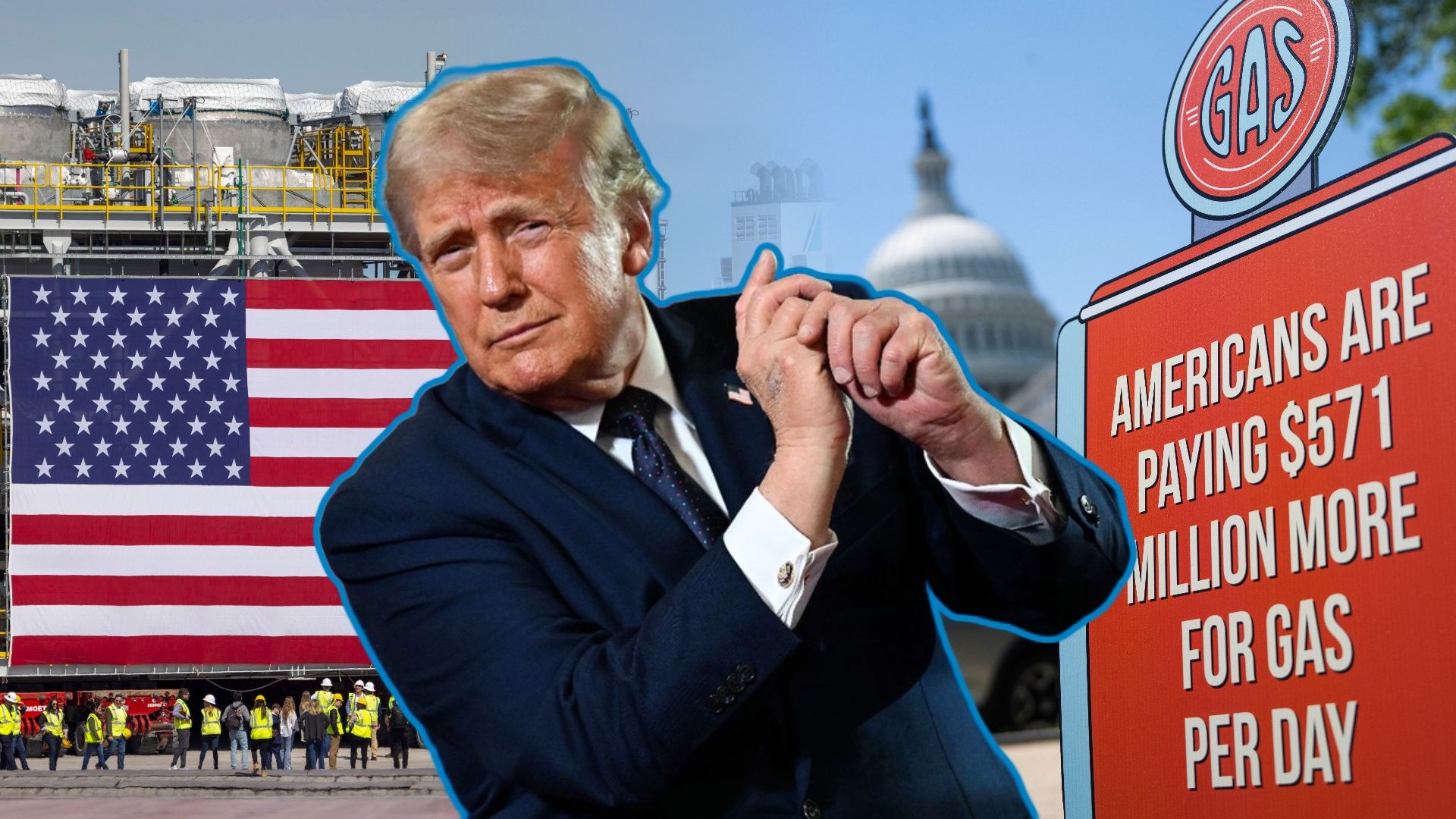
As global energy markets navigate a period of heightened volatility, the intersection of geopolitical conflict and domestic economic policy has once again moved to the forefront of international discourse. For households and businesses alike, the current landscape—characterized by fluctuating fuel prices and persistent inflationary pressures—raises fundamental questions about the stability of global supply chains and the efficacy of government intervention. As we examine the broader economic implications, the interplay between energy security and market demand remains a defining challenge for the current administration and global policymakers alike.
The impact of shifting energy costs is not merely a macroeconomic statistic; it is a tangible burden felt by consumers at the pump and by businesses managing the rising overhead of logistics and production. While some sectors have seen earnings growth amid these shifts, the broader economic reality remains complex. According to the International Energy Agency (IEA), the balancing act between maintaining steady supply and addressing long-term environmental goals requires a nuanced approach that avoids hasty policy reversals, which could exacerbate market instability.
Geopolitical Tensions and Energy Market Volatility
Geopolitical instability in key oil-producing regions continues to exert upward pressure on global prices. The U.S. Energy Information Administration (EIA) has noted that crude oil prices are highly sensitive to disruptions in maritime trade routes and regional conflicts. When production capacity is threatened, the immediate result is often a tightening of global inventories, which directly feeds into the retail price of gasoline and diesel.

For the average consumer, this means that even minor fluctuations in international affairs can lead to significant changes in their monthly budget. Policymakers are frequently caught between the need to encourage domestic production to lower prices and the global necessity of transitioning toward more sustainable energy sources. The Federal Reserve has consistently highlighted that persistent energy price volatility complicates the outlook for inflation, potentially influencing interest rate decisions that affect the broader economy.
Corporate Earnings vs. Consumer Burden
A recurring theme in recent market analysis is the divergent experience of energy corporations versus the general public. While integrated oil and gas companies have reported robust profits during periods of high price volatility, these gains are often viewed through a critical lens by the public, who bear the brunt of increased costs. The Financial Times has extensively covered how supply chain bottlenecks and geopolitical risk premiums contribute to this dynamic, often leading to calls for windfall taxes or increased regulatory oversight.
However, the economic reality is rarely binary. Energy companies argue that high prices are a necessary signal to attract the capital investment required to expand production and infrastructure. Without such investment, the long-term risk of supply shortages could be even more damaging to the global economy. The challenge for modern governance, is to ensure that market signals remain functional without placing an undue or unsustainable burden on the populations they serve.
The Path Toward Resource Efficiency
Beyond the immediate crisis of fuel prices, there is a growing consensus among international organizations that the world must address its fundamental reliance on finite resources. The Organisation for Economic Co-operation and Development (OECD) has emphasized that resource efficiency is no longer just an environmental goal but an economic imperative. By decoupling economic growth from resource consumption, nations can shield themselves from the shocks of geopolitical volatility.
This transition is fraught with difficulty. It requires significant investment in infrastructure, technology, and policy reform. As the global community looks toward the next decade, the focus is shifting from simple consumption to circular economic models. While these changes may seem distant to those currently worried about the price of fuel, they represent the most viable pathway toward long-term price stability and energy independence.
Looking Ahead
The coming months will be critical for global markets. Investors and consumers alike are awaiting the next round of OPEC+ ministerial meetings, which typically provide clarity on future production quotas and market expectations. These meetings serve as a primary checkpoint for energy policy, as they dictate the supply-side outlook for the remainder of the year.

upcoming domestic economic data releases from the U.S. Bureau of Labor Statistics will provide a clearer picture of how energy costs are filtering through the broader Consumer Price Index. We invite our readers to stay engaged with these developments; your perspective on how these global shifts affect your local economy is essential. Please share your thoughts in the comments section below or join the conversation on our social media channels as we continue to track these evolving economic narratives.