
In a significant humanitarian breakthrough amid a volatile security landscape, Ukraine has successfully repatriated 205 service personnel from Russian captivity. The exchange, which saw a reciprocal release of 205 prisoners of war from the Ukrainian side, marks a critical milestone in ongoing efforts to bring home soldiers held behind enemy lines.
The Ukraine prisoner of war exchange was facilitated as part of a broader U.S.-brokered ceasefire, providing a momentary reprieve in a conflict that has seen intensified aerial campaigns. For the families of the returning service members, the arrival of these personnel represents the culmination of months of uncertainty and a desperate hope for reunification.
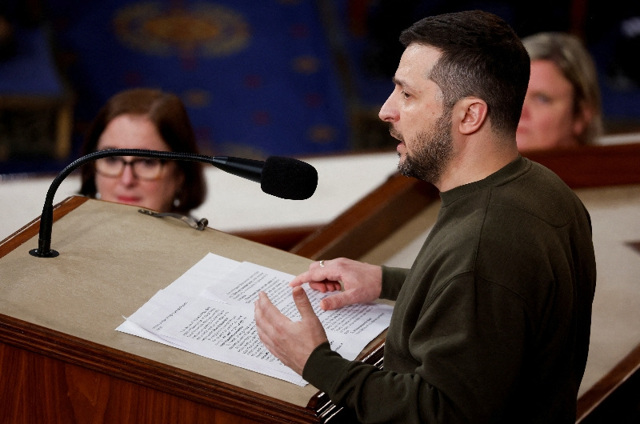
President Volodymyr Zelenskiy, who confirmed the return of the troops, emphasized that while this event is a victory for humanitarian efforts, This proves not the end of the process. Zelenskiy stated that the current exchange is only the first stage of a larger effort to secure the release of all Ukrainian citizens and military personnel remaining in Russian custody.
The Mechanics of the U.S.-Brokered Exchange
The swap of 205 prisoners of war each from Kyiv and Moscow was not a standalone agreement but a strategic component of a ceasefire brokered by the United States. The involvement of Washington suggests a high-level diplomatic push to stabilize the front lines and establish a reliable mechanism for prisoner repatriation. The exchange of 205 POWs each serves as a test of the ceasefire’s viability and the willingness of both parties to adhere to negotiated terms.
Repatriation processes for these service personnel typically involve immediate medical screenings and psychological support to address the trauma associated with captivity. The return of these 205 individuals is viewed by military analysts as a vital boost to morale for the Ukrainian Armed Forces, as the government continues to prioritize the recovery of its personnel.
The “first stage” designation by President Zelenskiy indicates that further lists of prisoners are likely being negotiated. The success of this initial phase is expected to create a blueprint for subsequent swaps, potentially expanding to include non-military detainees or those held in more remote regions of Russian-occupied territories.
A Bitter Contrast: Violence Amidst Diplomacy
The joy of the prisoner return has been starkly contrasted by a surge of Russian aggression in the capital. Even as the prisoner swap proceeded, Kyiv was forced to mourn 24 people killed in a massive Russian strike targeting residential apartment blocks. Among the victims was 12-year-old Lyubava Yakovleva, whose father had already been killed during the ongoing war.
These strikes, which included a combination of drones and missiles, hit several apartment blocks, leaving rescuers to pull dead and injured residents from the rubble. Officials reported that at least 16 people were killed in one specific wave of attacks on the capital, including two children. This duality—the diplomatic success of the POW exchange and the brutal reality of urban strikes—highlights the precarious nature of the current ceasefire.
President Zelenskiy had previously warned of “more waves” of Russian strikes, and the resumption of deadly drone attacks after the expiration of previous ceasefire windows underscores the instability of the peace process. The targeting of civilian infrastructure suggests that while the U.S.-brokered ceasefire may facilitate specific humanitarian goals like prisoner swaps, it has not yet translated into a comprehensive cessation of hostilities.
Broader Political and Legal Pressures
Beyond the battlefield and the exchange of personnel, the Ukrainian government is navigating internal challenges that complicate its international standing. A significant corruption probe has escalated, with Ukraine’s two anti-corruption agencies naming Andriy Yermak, the President’s former chief of staff, as a suspect in a money-laundering scheme. Yermak’s appearance in court signals a push by Kyiv to demonstrate accountability and transparency, which are often prerequisites for continued Western financial and military aid.
The geopolitical landscape remains complex, with Russian leadership expressing a contradictory stance. While Vladimir Putin has suggested that the conflict may be “coming to an end” and acknowledged the potential for negotiations, he continues to condemn the West’s support for the Zelenskiy administration. This tension between the desire for a negotiated exit and the continuation of high-intensity strikes on civilian centers remains the primary obstacle to a lasting peace.
Key Takeaways of the May 15 Exchange
- Scale: A reciprocal exchange of 205 prisoners of war each from Ukraine and Russia.
- Mediation: The swap was facilitated under a ceasefire brokered by the United States.
- Future Outlook: President Zelenskiy has identified this as the “first stage” of a wider repatriation effort.
- Security Context: The exchange occurred simultaneously with devastating Russian strikes in Kyiv that killed 24 civilians.
What Happens Next
The international community will now look toward the “second stage” of the prisoner exchange. The primary focus will be on whether the U.S.-brokered framework can hold despite the ongoing Russian missile and drone campaigns against Ukrainian cities. The ability of both nations to maintain the prisoner swap mechanism while hostilities continue will be a critical indicator of the ceasefire’s resilience.
The next confirmed checkpoint for the public will be the official reports on the health and status of the 205 returned service personnel and any official announcements from the Ukrainian government regarding the next scheduled phase of the POW exchange.
World Today Journal encourages readers to share this report and leave their thoughts in the comments section below regarding the role of international mediation in the current conflict.