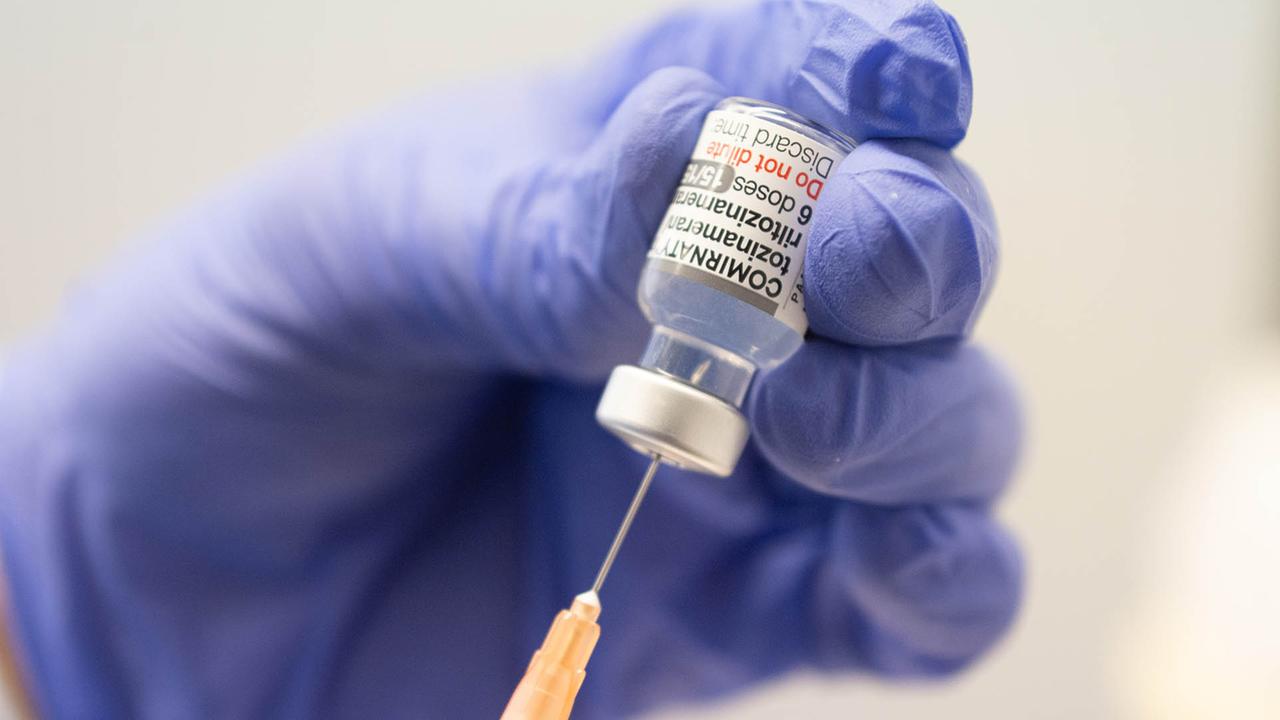
False claims about alleged COVID-19 vaccine deaths continue to circulate online despite overwhelming scientific evidence confirming the safety and efficacy of authorized vaccines. As global health authorities monitor vaccine safety through robust surveillance systems, misinformation suggesting large numbers of fatalities linked to Pfizer-BioNTech’s Comirnaty vaccine has been repeatedly debunked by independent experts and regulatory agencies. These unfounded allegations often resurface during periods of heightened public concern about new variants or booster campaigns, exploiting gaps in public understanding of how vaccine safety data is collected and interpreted.
The persistence of such misinformation poses a real challenge to public health efforts, particularly as updated vaccines targeting newer SARS-CoV-2 variants like LP.8.1 and JN.1 become available. In April 2024, Pfizer and BioNTech submitted an application to the European Medicines Agency (EMA) for authorization of an updated COVID-19 vaccine tailored to the LP.8.1 variant for the 2025/2026 season, reflecting ongoing efforts to match vaccine composition with circulating strains. This regulatory step underscores the adaptive nature of the pandemic response, where vaccine updates are based on rigorous scientific evaluation rather than arbitrary decisions.
Understanding how vaccine safety is monitored is essential to evaluating claims about harm. Regulatory bodies including the EMA, the U.S. Food and Drug Administration (FDA), and the World Health Organization (WHO) maintain continuous oversight of COVID-19 vaccines through systems designed to detect even rare adverse events. In the European Union, EudraVigilance collects and analyzes reports of suspected side effects, while in the United States, the Vaccine Adverse Event Reporting System (VAERS) serves a similar function. These systems accept reports from healthcare providers and the public, but crucially, a report does not imply causation—only that an event occurred following vaccination, which requires further investigation to determine if a link exists.
Multiple large-scale studies have consistently shown that the benefits of COVID-19 vaccination far outweigh the risks for all authorized age groups. According to data reviewed by the EMA and published in peer-reviewed journals, serious adverse events following mRNA vaccines like Comirnaty remain extremely rare. Myocarditis and pericarditis, while observed predominantly in younger males after the second dose, are typically mild and resolve with standard treatment. The Centers for Disease Control and Prevention (CDC) has found that the risk of cardiac complications is significantly higher following actual SARS-CoV-2 infection than after vaccination.
Claims alleging tens or hundreds of thousands of vaccine-related deaths lack credible support when examined against verified mortality data. Statistically, given the billions of doses administered globally, some individuals will experience serious health events or die shortly after vaccination purely by chance—especially among elderly or high-risk populations where underlying conditions are prevalent. Attributing these coincidental temporal associations to the vaccine without evidence represents a fundamental misunderstanding of epidemiological principles. Independent fact-checking organizations including Reuters Fact Check, AFP Factuel, and Correctiv have repeatedly investigated and rejected such claims as baseless.
The spread of vaccine misinformation is often amplified by social media algorithms that prioritize engagement over accuracy, allowing emotionally charged narratives to reach wide audiences quickly. In Germany, where vaccine hesitancy has fluctuated throughout the pandemic, public broadcasters like tagesschau.de have played a key role in providing science-based reporting to counter false narratives. Their coverage emphasizes context, explaining not only what is known about vaccine safety but also how knowledge is generated through clinical trials, real-world studies, and ongoing monitoring.
For individuals seeking reliable information, official sources remain the most trustworthy. The EMA’s website provides access to European Public Assessment Reports (EPARs) for all authorized vaccines, including detailed safety summaries. The Paul-Ehrlich-Institut, Germany’s federal agency responsible for vaccine safety, regularly publishes safety updates and responds to public inquiries. Similarly, the CDC and WHO offer comprehensive resources addressing common concerns about vaccine ingredients, development speed, and long-term effects—all grounded in peer-reviewed science.
As the virus continues to evolve, staying informed through credible channels helps the public make decisions based on evidence rather than fear. Updated vaccines targeting current variants like KP.3—a sublineage of JN.1 that dominated infections in mid-2024—are designed to restore waning immunity and reduce the risk of severe disease. Authorities stress that vaccination remains particularly important for older adults, immunocompromised individuals, and those with underlying health conditions, who face the highest risk of hospitalization or death from COVID-19.
Moving forward, health journalists and medical professionals have a shared responsibility to communicate clearly about both the benefits and known limitations of vaccines, avoiding overpromotion while firmly countering falsehoods. Transparency about what is known—and what is still under study—builds trust more effectively than dismissing concerns outright. With the next EMA review cycle for updated vaccines expected in late 2024, timely access to accurate information will be essential as preparation begins for the 2025/2026 respiratory illness season.
We encourage readers to consult official health authority websites for the latest guidance and to approach sensational claims with healthy skepticism. If you have questions about vaccine safety or would like to share your experience with vaccination, please leave a comment below or share this article to help others access reliable information.
Keep reading