
European equity markets have entered a period of consolidation after reaching record highs, as investors grapple with the persistent economic pressures of post-conflict inflation. While major indices recently touched peak valuations, market participants remain cautious regarding the long-term impact of elevated price levels on corporate margins and consumer purchasing power, according to data from the European Central Bank’s latest survey of professional forecasters.
The current market environment reflects a shift in investor sentiment as the initial optimism surrounding geopolitical stabilization faces the reality of structural economic headwinds. Analysts at Reuters report that while equity valuations remain elevated, the velocity of gains has decelerated significantly compared to the first quarter of the year. This cooling effect is attributed to central banks maintaining restrictive monetary policies to combat stubborn inflation, which continues to outpace long-term targets in several eurozone economies.
Geopolitical Shifts and Commodity Market Volatility
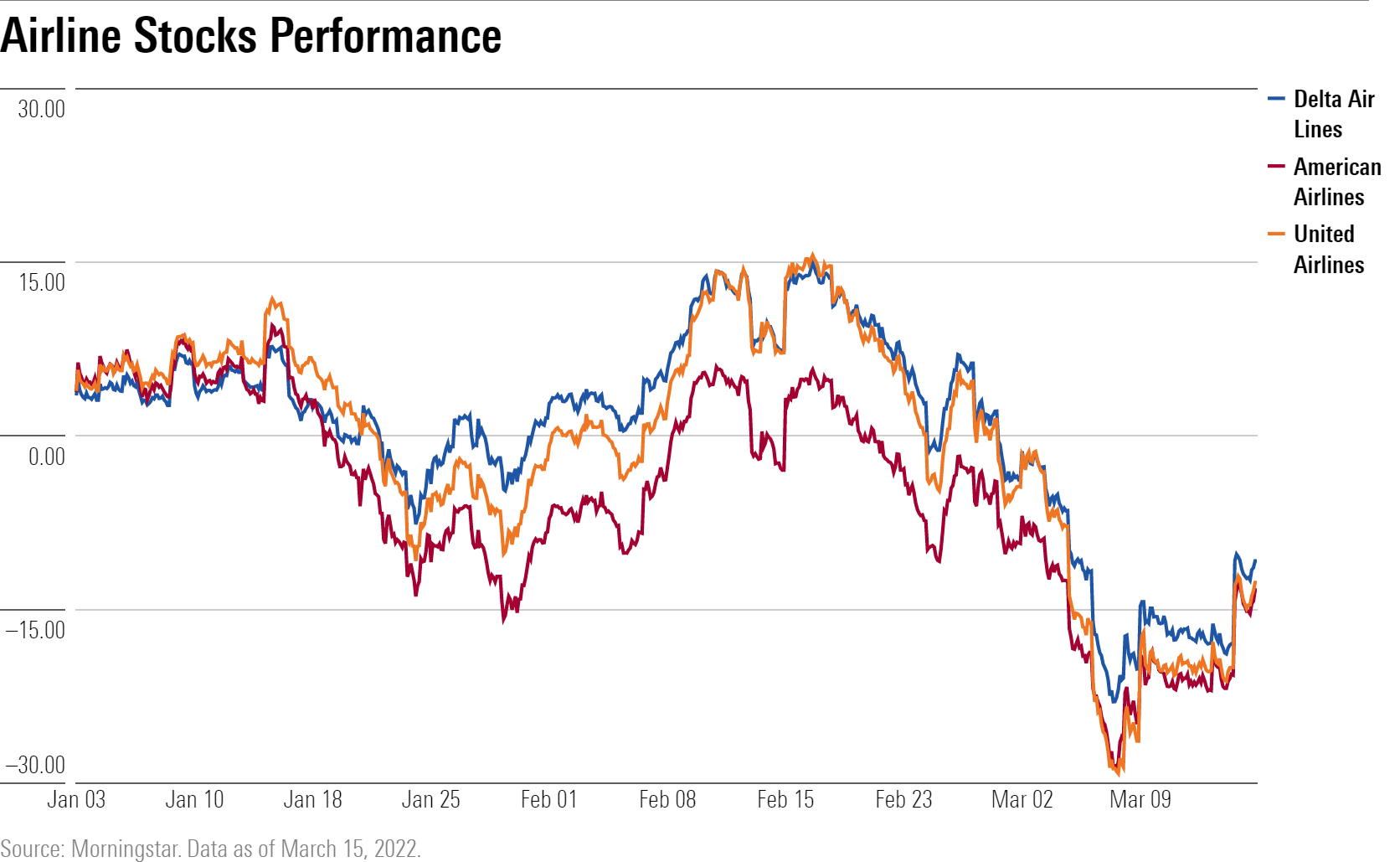
Global markets have been heavily influenced by recent diplomatic developments, particularly in the Middle East, which have triggered significant fluctuations in energy prices. The stabilization of regional tensions has led to a notable decline in crude oil prices, providing a reprieve for energy-intensive sectors, including the aviation industry, which has seen a corresponding uptick in share prices as operational costs decrease, as noted by Bloomberg.
The correlation between geopolitical stability and market performance is particularly evident in the performance of airline stocks, which serve as a barometer for fuel-cost sensitivity. When oil prices drop, the immediate benefit to bottom-line profitability often triggers a positive reaction in equity markets, provided that broader macroeconomic data does not suggest an imminent recession. However, economists warn that the volatility in energy markets remains a key variable, as any reversal in diplomatic progress could quickly reintroduce inflationary pressures.
Regional Market Performance and Investor Caution
Across the Atlantic, investors are closely watching the response of major indices to these changing conditions. In the United Kingdom, the FTSE 100 has shown resilience, though it continues to mirror the broader European trend of cautious trading near historical highs. Market specialists suggest that the appetite for risk is currently balanced by a defensive posture, as institutional investors rotate capital into sectors that historically perform well during periods of high inflation, such as utilities and consumer staples.
In Asia, the Nikkei 225 has demonstrated a positive reaction to the easing of global oil prices, reflecting a broader trend where markets in energy-importing nations benefit from reduced costs. The Japan Exchange Group highlights that such movements are indicative of how sensitive global trade remains to the cost of energy. Despite these regional gains, the underlying concern regarding global inflation remains a persistent theme for portfolio managers who are currently adjusting their asset allocations to account for higher-for-longer interest rate environments.
Understanding the Inflationary Lag
The current economic landscape is defined by the “inflationary lag,” a phenomenon where the effects of past supply chain disruptions and conflict-related price shocks continue to propagate through the economy despite current improvements in geopolitical conditions. According to the Organisation for Economic Co-operation and Development (OECD), the time required for price stability to return to pre-crisis levels is often underestimated by market participants, leading to periodic volatility when economic data releases deviate from optimistic forecasts.
For investors, the key challenge lies in distinguishing between short-term market noise and long-term structural changes. The current consolidation phase of European equities may be viewed as a necessary adjustment period as the market recalibrates expectations for corporate earnings in an environment where the cost of borrowing remains high. As the European Central Bank and other global monetary authorities prepare for their next scheduled policy meetings, the focus will remain on whether inflation data provides sufficient evidence to justify a pivot toward more accommodative policies.

Market participants are encouraged to monitor upcoming releases from the Eurostat economic indicators portal, which provides the most accurate and timely data on harmonized indices of consumer prices across the eurozone. These reports remain the primary source of information for determining the future trajectory of interest rates and, by extension, the valuation of European equities in the coming quarters.
For ongoing updates regarding market trends and economic policy, readers are invited to follow the latest official filings and central bank communiqués. We welcome your insights and analysis in the comments section below as we continue to track these developments in the global financial landscape.
Related reading