
Boldyn Networks, a global neutral host provider, is expanding its digital infrastructure footprint across major public transit systems in the United Kingdom and the United States. The company is currently deploying high-speed connectivity solutions, including free Wi-Fi at additional transit stations in the U.S. and an extensive rollout of 4G and 5G mobile coverage across the London Underground network, according to official company project updates.
These infrastructure upgrades aim to address long-standing connectivity gaps for daily commuters. By utilizing a neutral host model, Boldyn allows multiple mobile network operators to share the same physical infrastructure, which the company states reduces the complexity and cost of installing network hardware in constrained subterranean environments. The initiative is part of a broader trend of transit authorities seeking to modernize passenger experiences through improved digital access.
Expanding Connectivity on the London Underground
In London, the project focuses on bringing continuous mobile coverage to the Underground, including deep-level tunnels that have historically lacked signal. According to Transport for London (TfL), the deployment of 4G and 5G connectivity is being delivered through a partnership with Boldyn Networks, which was awarded a 20-year concession to provide the necessary fiber and hardware infrastructure. This project is significant due to the age and architectural complexity of the London network, which began operations in 1863.
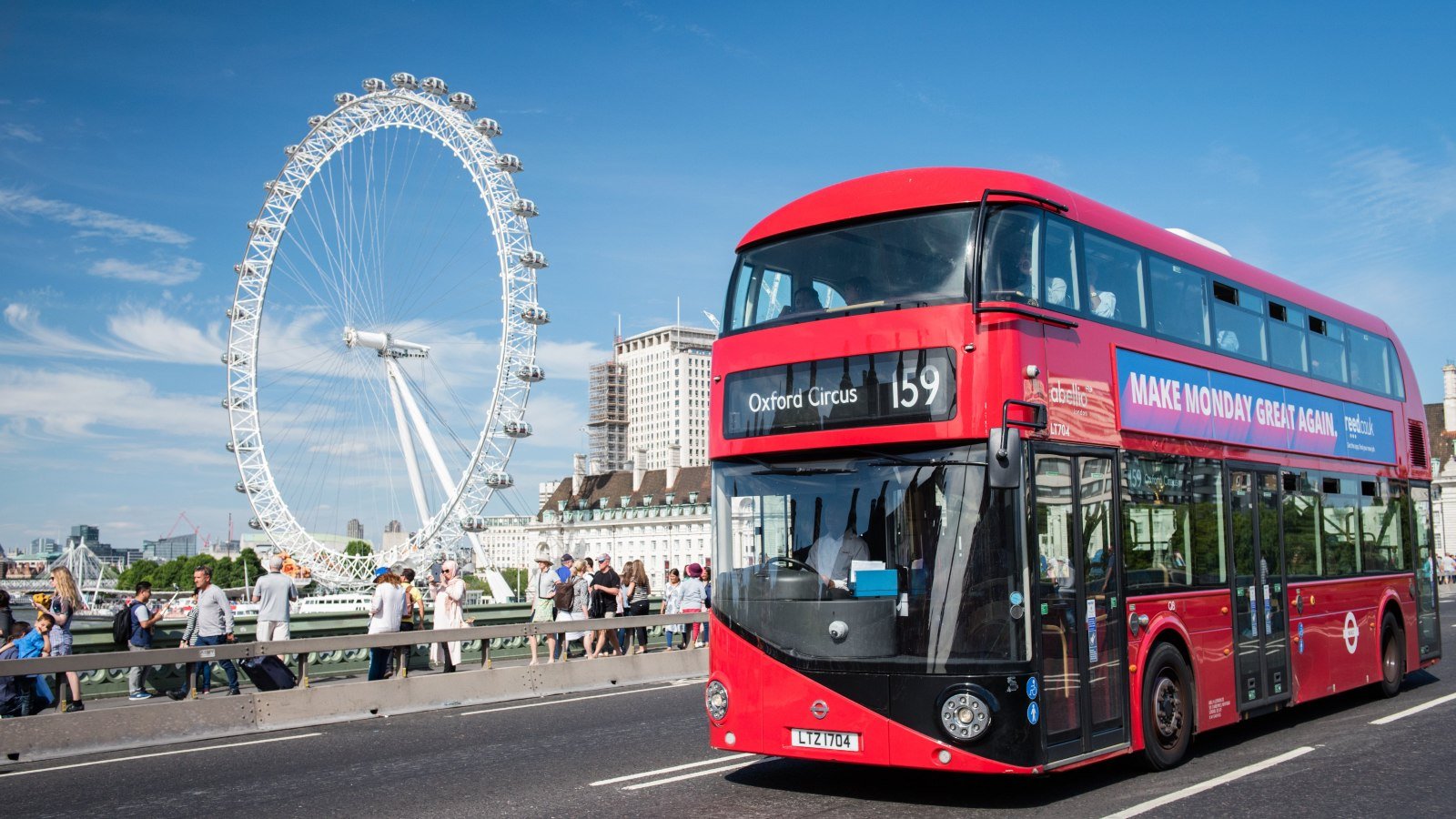
The rollout includes connecting major transport hubs and tunnel sections, allowing passengers to access mobile data and voice services while traveling between stations. Officials from TfL confirmed that the project is designed to provide “seamless” mobile connectivity, meaning users will not experience drops in service when transitioning from street level to tunnels. This infrastructure is also expected to support emergency services, providing a more reliable communication backbone for transit security personnel.
Infrastructure Upgrades for BART Commuters
Across the Atlantic, Boldyn Networks is focusing on enhancing the passenger experience within the Bay Area Rapid Transit (BART) system in California. The current phase of the project includes the activation of free, high-speed Wi-Fi at four additional stations. This expansion is part of a larger, ongoing effort to modernize the system’s telecommunications, which BART leadership has identified as a priority for increasing public transit ridership and passenger satisfaction.

The deployment of Wi-Fi in transit environments involves installing specialized hardware capable of handling high-density user traffic. According to BART’s official project documentation, the partnership with Boldyn is intended to ensure that the transit system remains competitive with other modes of transport by providing a “connected commute.” The expansion of these services is being executed in phases, with the goal of eventually covering the entire BART footprint with high-speed wireless access.
The Neutral Host Model Explained
The “neutral host” model deployed by Boldyn serves as the technical foundation for these projects. In a traditional telecommunications setup, individual mobile carriers must negotiate separate agreements and install proprietary hardware at each site. This process is often prohibitively expensive and logistically difficult for transit agencies managing aging tunnels or busy urban stations.
By acting as a neutral host, Boldyn installs a single, shared network layer that supports multiple carriers simultaneously. This approach allows transit authorities to maintain a single point of contact for infrastructure management, while mobile users benefit from broader coverage regardless of their specific service provider. Industry analysts note that this model has become the preferred standard for large-scale public venue connectivity, including stadiums, airports, and subterranean transit systems, as it creates a more efficient allocation of capital and physical space.
Impact on Passenger Experience
For the average commuter, these upgrades translate into the ability to work, stream media, or communicate in real-time while in transit. In the context of the London Underground, where passengers spend significant amounts of time in deep-level tunnels, the introduction of 5G capabilities represents a substantial shift in the utility of the transit environment. Similarly, for BART riders in the San Francisco Bay Area, the availability of consistent Wi-Fi at stations provides a reliable touchpoint for checking transit schedules and navigating regional connections.

As these projects move into their next phases, both TfL and BART are expected to provide further updates regarding station coverage maps and network performance metrics. The successful implementation of these systems depends on ongoing coordination between transit agencies and local utility providers to ensure consistent power and fiber-optic backhaul. Commuters are encouraged to monitor the official websites of Transport for London and BART for real-time service announcements and maps detailing which stations have been fully integrated into the new networks.
The next major milestone for the London Underground project involves the continued activation of tunnels across the Victoria and Northern lines, while BART continues to evaluate the feasibility of extending its Wi-Fi capabilities further into its existing tunnel network. Updates on these deployments will be released as commissioning tests are finalized. Readers who use these services are encouraged to share their feedback on network performance via the official transit portals or through authorized community engagement channels.
Related reading