
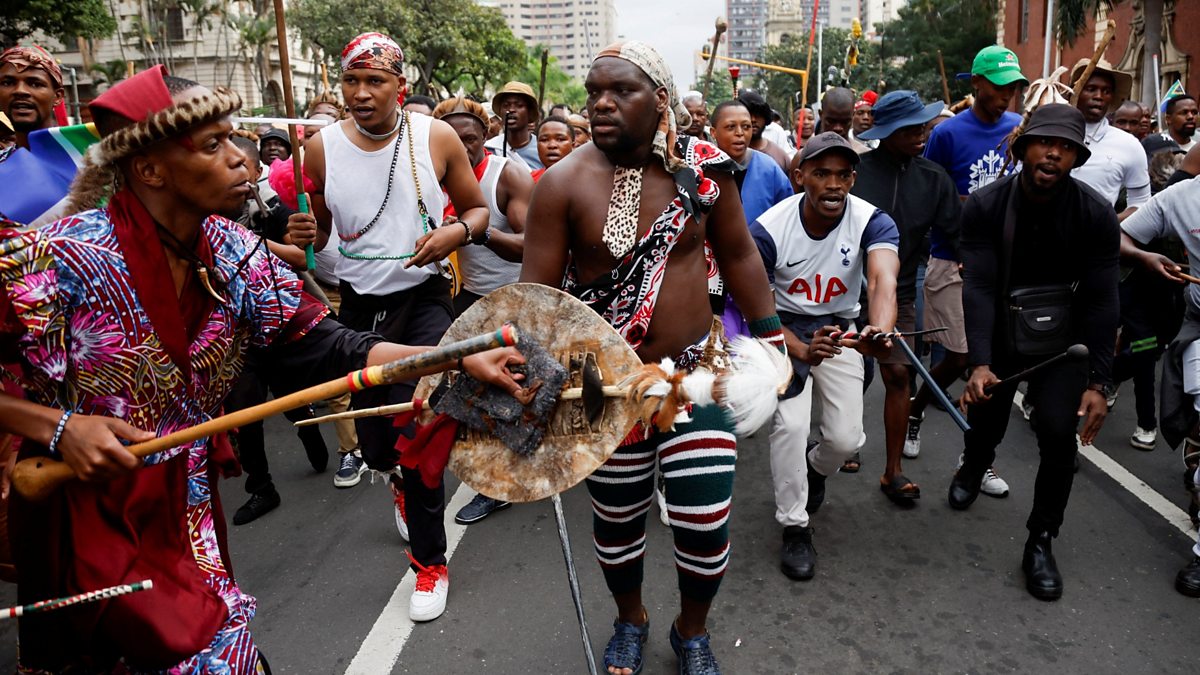
Protesters in several South African cities have launched demonstrations targeting undocumented migrants, citing concerns over job competition, strained public services, and rising crime rates. These protests, which have occurred in urban hubs including Durban, involve crowds calling for the removal of foreign nationals they claim are illegally residing in the country.
Demonstrators allege that undocumented immigrants are taking jobs from locals and placing pressure on public services. According to reports from the ground, many immigrants have already been forced to leave.
The unrest has occurred in South Africa. Law enforcement agencies have been deployed to manage the crowds, though the volatility of the protests continues to pose a risk to foreign-owned shops and residences.
Why are South Africans protesting against migrants?
The primary drivers of the current unrest are economic anxiety and a perceived lack of government control over borders. Protesters argue that undocumented migrants are taking jobs from locals. This sentiment is amplified by a high national unemployment rate, which Statistics South Africa frequently tracks as a critical socio-economic challenge.

Beyond employment, demonstrators point to the degradation of public services. They claim that public services are under pressure. Additionally, some protesters have linked an increase in local crime to the presence of undocumented foreigners, although these claims are often generalized and not always supported by specific police data.
Who is affected by the xenophobic violence?
The violence targets migrants from other African nations. Small business owners, often operating “spaza” shops (informal convenience stores), are frequent targets of looting and arson during these waves of unrest.
Human rights organizations have noted that the forced displacement of immigrants creates a secondary crisis of homelessness and insecurity. Many of those forced to leave their homes are unable to return to their countries of origin immediately due to lack of funds or precarious legal status, leaving them vulnerable to further attacks.
How has the South African government responded?
The South African government has historically responded with a mix of police intervention and pledges to tighten immigration laws. The Department of Home Affairs is responsible for managing the documentation and deportation of undocumented persons, a process that protesters claim is too slow and inefficient.
Police have used various tactics to disperse crowds in cities like Durban, but critics argue that the state often fails to protect migrant communities until violence has already escalated. The government continues to face pressure to balance the enforcement of immigration laws with the constitutional protection of human rights for all people within its borders.
What happens next for undocumented migrants in South Africa?
The immediate future for many undocumented migrants remains uncertain as protests continue. There is an ongoing push from certain political factions for more aggressive deportation campaigns, while human rights advocates call for a streamlined legalization process to reduce the number of people living in the shadows.
The next critical checkpoint will be the upcoming reports from the South African Police Service (SAPS) regarding arrests and damages resulting from the latest wave of protests. Official government statements on border security and visa processing updates are expected as the state attempts to quell the unrest.
We invite readers to share their perspectives on these developments in the comments section below.