
Global economic and security experts are increasingly focused on developing survival strategies for a volatile geopolitical climate defined by fractured alliances and disrupted supply chains. Recent high-level discussions, including those at the Yonhap Peninsula Symposium, highlight the urgent need for nations and corporations to balance national security interests with the realities of an interconnected global economy, according to reports from the Yonhap News Agency.
As the international order shifts, the primary challenge for policymakers lies in mitigating the risks associated with “de-risking”—a strategy aimed at reducing economic dependency on single nations without fully decoupling from essential markets. Dr. Olivia Bennett, Chief Editor of Business at World Today Journal, notes that this transition requires a fundamental restructuring of trade policy to prioritize resilience over short-term efficiency. The International Monetary Fund (IMF) has recently warned that geoeconomic fragmentation poses a significant threat to global growth, projecting that trade restrictions could permanently lower global output if left unaddressed.
The Impact of Geoeconomic Fragmentation on Global Markets
Global markets are currently experiencing a period of significant recalibration as traditional trade alliances face pressure from protectionist policies and security-driven economic mandates. According to the World Trade Organization (WTO), the proliferation of industrial policy measures—often justified by national security concerns—has led to a more fragmented global trade landscape. These shifts directly impact multinational corporations, which must now account for increased regulatory scrutiny, tariff volatility, and the potential for sudden supply chain interruptions.
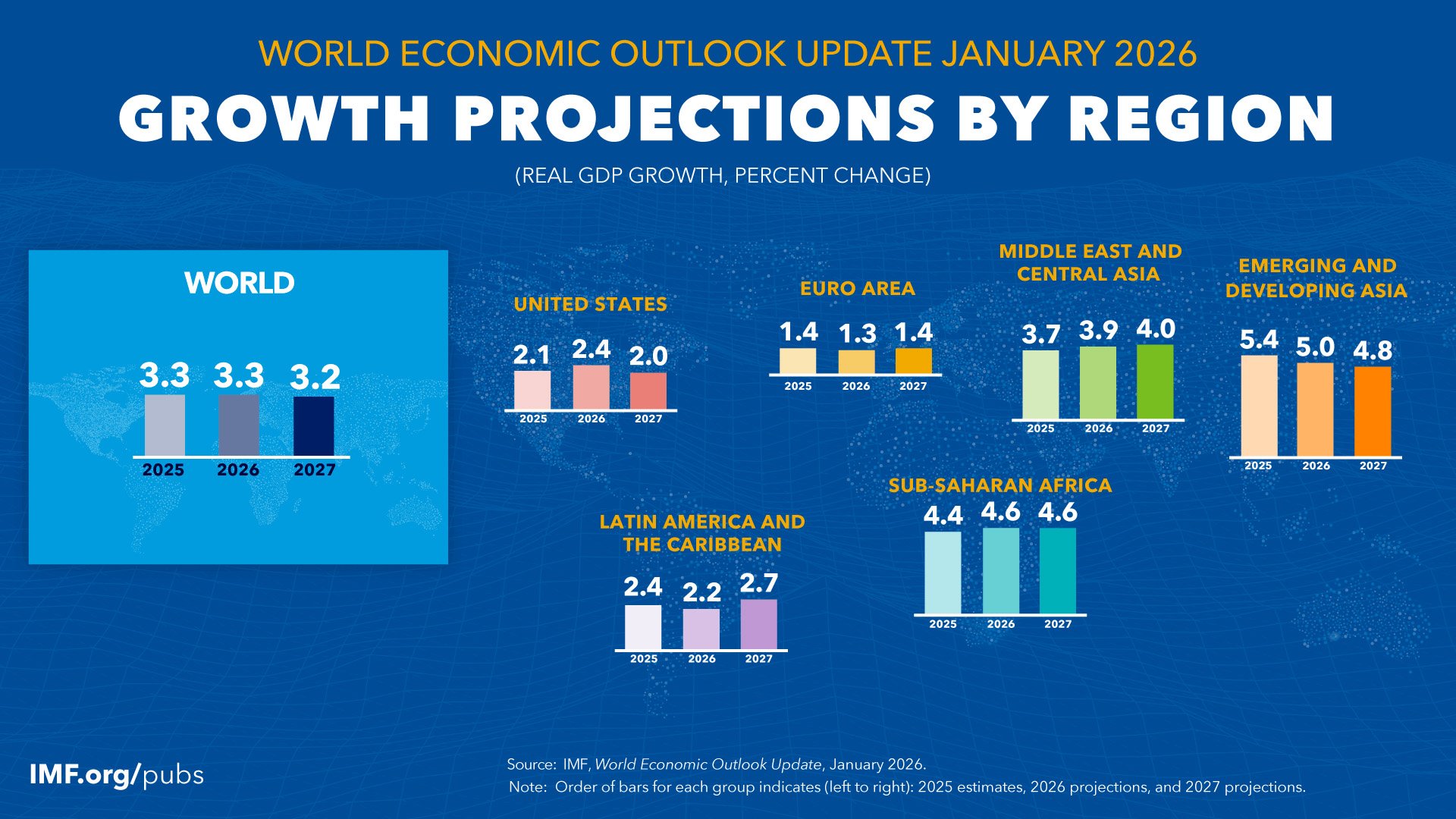
The concept of “friend-shoring”—the practice of relocating supply chains to politically allied countries—has become a central pillar of corporate survival strategies. However, economists caution that such moves often come with higher operational costs and reduced economies of scale. The OECD’s Economic Outlook suggests that while these strategies may offer a buffer against geopolitical shocks, they also risk accelerating inflation by disrupting low-cost production models that have sustained global consumer prices for decades.
Strategic Priorities for Economic Security
To survive the current period of instability, experts emphasize the integration of economic policy into broader national security frameworks. This involves a multi-pronged approach: diversifying critical mineral sources, investing in domestic technological capabilities, and strengthening regional security partnerships. The focus is no longer solely on profit maximization, but on the continuity of essential services and the security of critical infrastructure, as detailed in recent U.S. administration policy statements regarding strategic sector protection.
For businesses, the mandate is clear: identify vulnerabilities within the supply chain before they become points of failure. This involves mapping tier-two and tier-three suppliers, many of which operate in regions subject to political instability or trade sanctions. The World Economic Forum’s Global Risks Report identifies the intersection of economic competition and national security as a primary driver of risk for the next decade, urging leaders to adopt more agile, responsive business models.
What Happens Next in Global Trade Policy
The trajectory of global trade will largely be determined by how major economies navigate the transition toward a more multipolar order. Upcoming summits, including the next round of G20 ministerial meetings and various regional trade forums, are expected to serve as indicators for whether nations will lean further into protectionism or seek new multilateral agreements to stabilize the global economy. The World Trade Organization continues to monitor these developments, emphasizing that transparent communication between nations is essential to prevent a race to the bottom in regulatory standards.

Investors and stakeholders are encouraged to monitor upcoming official trade policy announcements and legislative updates from major economic blocs, such as the European Union’s implementation of the Corporate Sustainability Due Diligence Directive, which reflects broader shifts toward supply chain transparency and accountability. As these policies evolve, the ability to adapt to a changing regulatory environment will remain a key differentiator for successful global enterprises.
We invite our readers to share their insights on these developments in the comments section below. Stay informed by following our ongoing coverage of global market trends and policy shifts as they emerge.