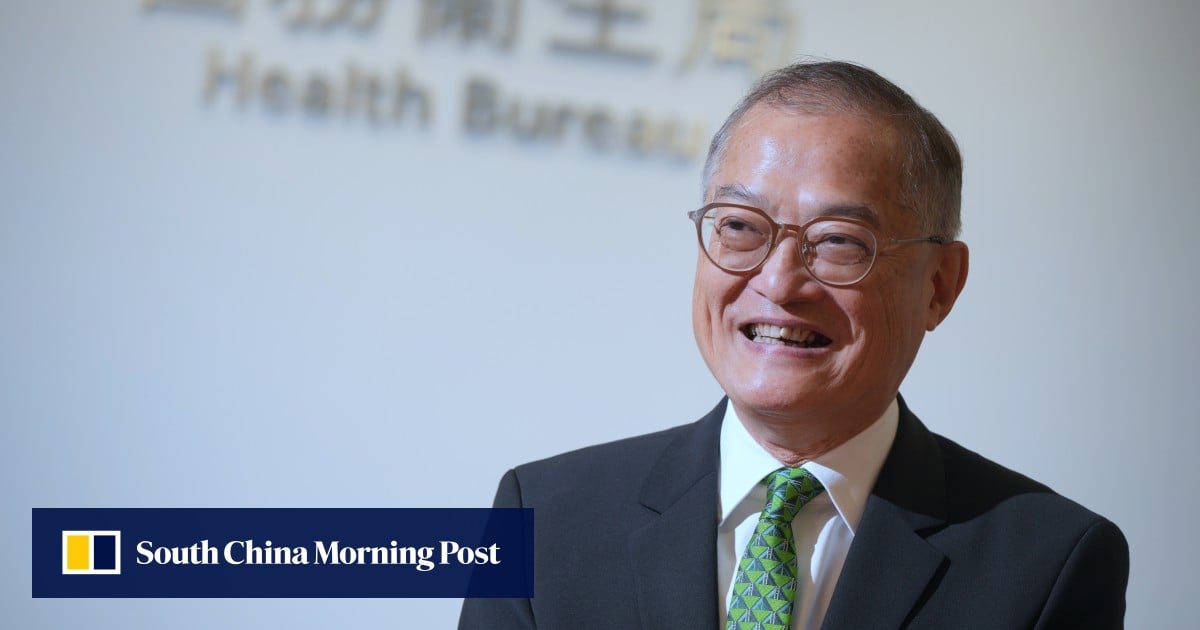
Hong Kong is establishing a dedicated drug approval body, the Hong Kong Centre for Medical Products Regulation (CMPR), with plans to launch the agency by the fourth quarter of 2024. The initiative represents a strategic shift in the city’s regulatory framework, moving from a reliance on external drug approvals toward an independent system aimed at securing World Health Organization (WHO) recognition and bolstering the city’s status as a global biomedical hub.
The Hong Kong government is currently conducting a global recruitment drive to secure specialized talent to staff the new agency. According to official statements from the Health Bureau, the goal is to build an international-standard regulatory framework that can evaluate and approve new medicines and medical devices independently, rather than relying solely on approvals from other jurisdictions. This transition is intended to streamline the entry of innovative therapies into the local market and facilitate the integration of the city’s healthcare sector into the broader Greater Bay Area.
Establishing the Regulatory Framework
The transition to an independent drug approval authority follows a multi-year effort to modernize Hong Kong’s healthcare policy. Under the current “secondary review” mechanism, the Department of Health typically requires medicines to be approved by at least two recognized regulatory authorities—such as those in the United States, Europe, or mainland China—before they can be registered for use in Hong Kong. The new CMPR is designed to transition the city toward a “primary review” model.

The Health Bureau has confirmed that the establishment of this body is a core pillar of the government’s broader economic development strategy, which seeks to attract international pharmaceutical companies to conduct clinical trials and research in Hong Kong. By achieving status as a “Listed Authority” under the World Health Organization’s Global Benchmarking Tool, the city aims to ensure its regulatory decisions are globally recognized, which is essential for the commercial viability of locally approved medical products. According to the World Health Organization, the process for becoming a Listed Authority involves a rigorous, evidence-based assessment of regulatory functions and performance.
Global Talent Hunt and Operational Goals
Recruitment efforts are focused on attracting experts with experience in international regulatory affairs, clinical pharmacology, and medical device safety. The administration has indicated that the fourth-quarter launch will serve as the initial phase of a multi-year build-out, with the agency gradually assuming more responsibilities as it scales its operations. The government’s emphasis on international talent reflects the high technical threshold required to meet global standards for pharmaceutical oversight.
The move is also seen as a response to the increasing demand for advanced therapies within the Greater Bay Area. By aligning its regulatory standards with international norms, Hong Kong intends to act as a gateway for pharmaceutical firms looking to access the mainland Chinese market while maintaining a regulatory environment that is familiar to Western investors. The Health Bureau of the Government of the Hong Kong Special Administrative Region continues to provide updates on these policy initiatives through its official ministerial portals.
Why Independent Regulation Matters for Hong Kong
The shift to a primary review model carries significant implications for both patients and the biotech industry. For patients, an independent regulator could potentially accelerate access to orphan drugs and breakthrough treatments that may not yet have completed the full approval process in other, larger jurisdictions. For the biotechnology sector, the presence of a local, authoritative regulatory body reduces the administrative burden of navigating multiple foreign approval systems.

However, the transition faces logistical challenges, particularly regarding the need for specialized laboratory infrastructure and a sufficient workforce of trained evaluators. According to the Hong Kong Science and Technology Parks Corporation, which supports the city’s biomedical ecosystem, the ability to conduct localized, high-quality clinical data analysis is a prerequisite for a successful regulatory transition. The government’s ability to recruit this talent against established regulators in Singapore, the United States, and the European Union will be a key determinant of the agency’s long-term success.
Next Steps for Regulatory Development
The next major checkpoint for the project is the formal inauguration of the CMPR, currently scheduled for late 2024. Following the launch, the government is expected to release a detailed roadmap regarding the phased implementation of its primary review process and the specific classes of drugs that will be eligible for early evaluation. Stakeholders and industry participants are encouraged to monitor the Health Bureau’s official announcements for upcoming public consultation periods and recruitment deadlines.
The transition toward an independent regulatory environment remains a central component of Hong Kong’s fiscal and health policy for the coming year. Further updates regarding the agency’s leadership appointments and the specific criteria for WHO benchmarking are anticipated as the launch date approaches. We welcome your thoughts on how this shift in regulatory policy may affect the local biomedical sector; please join the conversation in the comments section below.