
Ukraine’s ongoing drone campaign against Russian energy infrastructure has exposed deep-seated vulnerabilities in the country’s oil logistics, revealing that the sector’s susceptibility to disruption extends far beyond individual refineries. While military strikes have targeted high-profile sites, the broader issue lies in a lack of pipeline redundancy and a reliance on outdated Soviet-era infrastructure. These bottlenecks, compounded by the environmental pressures of climate change and the depletion of easily accessible oil fields, present a long-term challenge to Moscow’s energy stability and export capacity, according to international energy analysts and regional reporting.
The strategic significance of these chokepoints became apparent as Ukrainian forces focused on major export hubs. According to reports from the Baltic region, two ports—Ust-Luga and Primorsk—historically handled approximately half of Russia’s total oil exports, creating a concentrated target set for military planners. The absence of a diversified, multi-modal network means that localized damage to pipelines or port facilities can trigger cascading disruptions across the entire supply chain. This lack of logistical resilience is not a recent development but an inherited trait from the Soviet Union, where central planning prioritized output volume over system redundancy or survivability, a structural flaw that persists in the modern Russian economy.
Infrastructure Fragility and the Legacy of Central Planning
The Russian petroleum sector operates on a logistical framework that lacks the flexible, multi-path networks common in other large industrialized nations. Because the country’s primary oil reserves are largely located in northern regions where rail and road infrastructure remains sparse, the industry relies heavily on a limited number of long-distance pipelines. This configuration makes the entire system sensitive to disruption; a single failure at a critical junction can halt the flow of oil from remote extraction sites to international markets. As noted by analysts, the Kremlin’s current strategy has largely focused on short-term tactical fixes, such as upgrading anti-drone defense systems at key facilities, rather than addressing the fundamental lack of network density.

Historical data from the Russian energy sector indicates that while oil production expanded significantly after 1991, the underlying transport infrastructure did not undergo a commensurate modernization. The current vulnerability is exacerbated by the geographic concentration of export points. With few alternative routes available, the Russian state remains exposed to both foreign military actions and domestic operational failures. This reliance on a narrow, inflexible logistical corridor means that even without external interference, the system is increasingly prone to maintenance-related stoppages as infrastructure ages and demand for more complex extraction techniques grows.
Environmental and Geological Pressures
Beyond the immediate threat of drone attacks, the Russian oil industry faces mounting long-term pressures from environmental changes. Global warming has begun to affect the integrity of northern infrastructure, with reports of pipeline damage and partial collapses linked to the thawing of permafrost in sensitive regions. This phenomenon complicates the maintenance of existing lines and increases the capital expenditure required to keep remote fields operational. The instability of the ground in these areas makes traditional pipeline construction and repair increasingly difficult, forcing state-owned energy entities to seek more costly, technologically intensive solutions to maintain current output levels.
The exhaustion of easily accessible oil reserves further complicates this trajectory. According to official Russian government estimates, more than 60 percent of the nation’s remaining oil reserves are now categorized as “difficult-to-exploit.” These fields typically require advanced extraction technologies that were not widely deployed during the initial development of the country’s energy sector. Developing these reserves requires not only massive financial investment but also the creation of entirely new logistical corridors in the northern territories, where the lack of existing human and transport infrastructure makes any development project an extreme logistical challenge.
The Cost of Inaction and Future Strategic Risks
The Kremlin’s response to these systemic bottlenecks has often favored large-scale, ambitious proposals over pragmatic, incremental improvements. Concepts such as the development of dirigibles for coal transport or the construction of a Bering Strait tunnel have circulated among planners, yet critics argue these proposals fail to address the immediate need for a denser, more reliable pipeline and rail network. These ideas often overlook the reality that without connecting infrastructure on either side, such projects would provide little relief to the current logistical logjam. The persistent focus on expansive, capital-intensive solutions reflects a recurring theme in Russian administrative policy that often neglects the intensive, granular work required to build a resilient, redundant economic base.
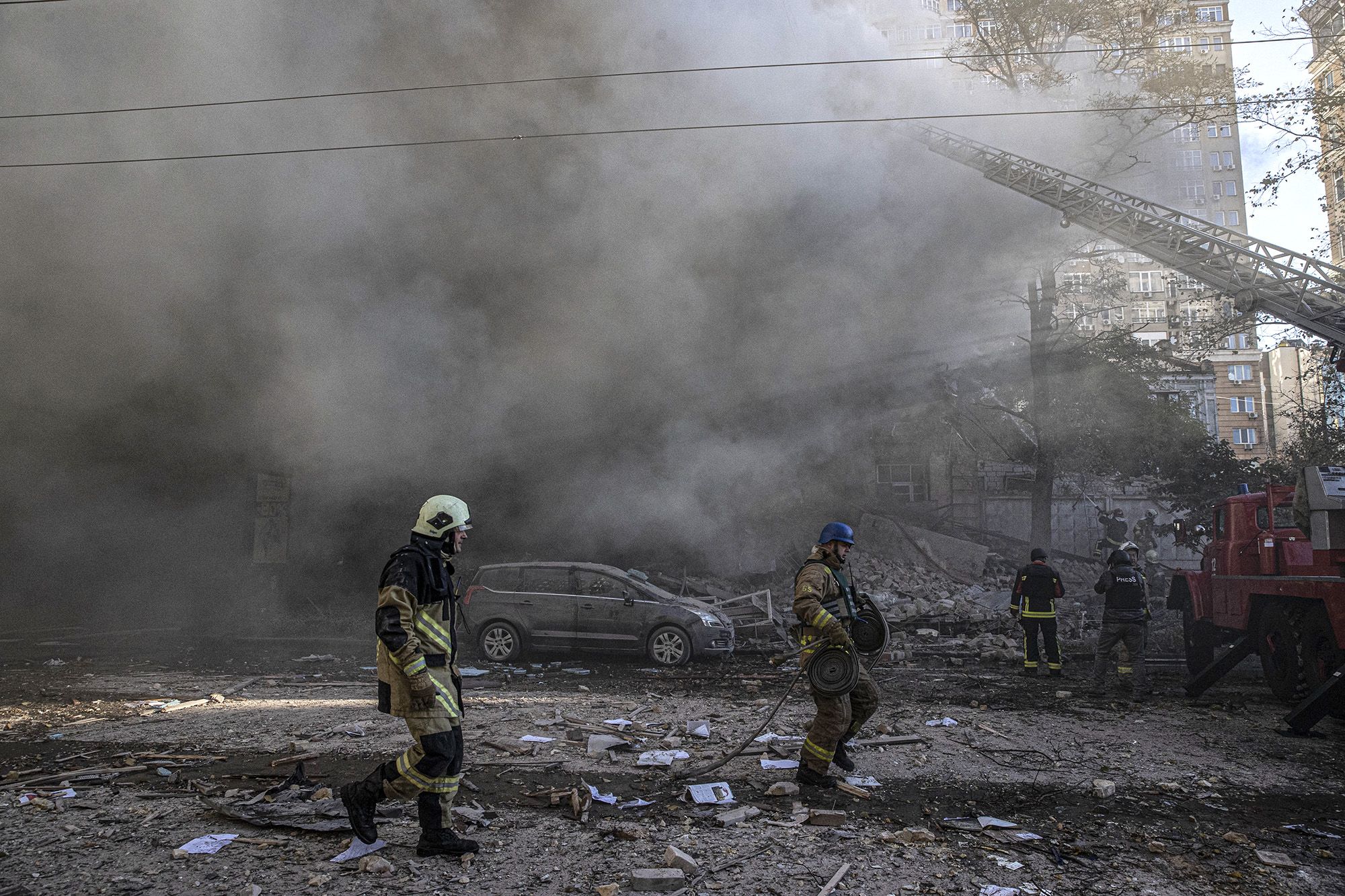
The economic implications of these bottlenecks extend beyond the petroleum sector, impacting the broader Russian economy. Observers have noted that the inability to move goods efficiently is a chronic issue that hinders growth across multiple extractive industries. There is a documented concern within the Russian political establishment that these logistical failures mirror the systemic inefficiencies that preceded the dissolution of the Soviet Union. As the government seeks to avoid a repeat of that historical outcome, the pressure to reform these sectors remains a point of contention. Whether Moscow will prioritize the massive, long-term investment needed to create a truly redundant infrastructure remains the primary question for global energy markets as they monitor the ongoing conflict and its impact on the Russian energy landscape.
Official updates regarding the status of Russian energy infrastructure are periodically released through the Ministry of Energy of the Russian Federation. Market participants continue to track these developments through international energy monitoring agencies and independent analysts. We invite our readers to share their perspectives on the long-term viability of these infrastructure projects in the comments section below.