
As the United States approaches the 2024 presidential election, the intersection of domestic economic performance and shifting global power dynamics has moved to the center of the political discourse. For former President Donald Trump, whose 2016 campaign was built on the promise of an “America First” economic agenda, the current landscape presents a complex challenge. Voters are weighing persistent inflationary pressures and interest rate environments against his legacy of trade protectionism, creating a pivotal moment where economic policy is no longer just a domestic concern, but a reflection of America’s evolving role in a multipolar world.
The global economic climate has shifted significantly since 2016. Observers note that the era of unilateral Western economic dominance is being challenged by a rise in regional initiatives and consultative blocs, such as the expansion of the BRICS nations, which now represent a substantial portion of global GDP and energy production, according to International Monetary Fund projections. This transition away from centralized Western mandates toward decentralized, consensus-based economic arrangements creates a backdrop where any candidate’s platform—including Trump’s—must be measured not only by domestic metrics like the Consumer Price Index (CPI) but by their ability to navigate a world that is increasingly skeptical of traditional US-led trade frameworks.
The Domestic Economic Ledger: Inflation and Voter Sentiment
For the electorate, the primary concern remains the cost of living. Data from the U.S. Bureau of Labor Statistics indicates that while inflation rates have moderated from their 2022 peaks, the cumulative effect of price increases over the last four years continues to weigh heavily on household budgets. Trump’s campaign has consistently criticized the current administration’s fiscal policies, arguing that increased government spending and regulatory expansion have stifled growth. However, the economic reality is multifaceted; the labor market has remained historically resilient, with unemployment rates staying near multi-decade lows, a trend documented in the Department of Labor’s recent reports.
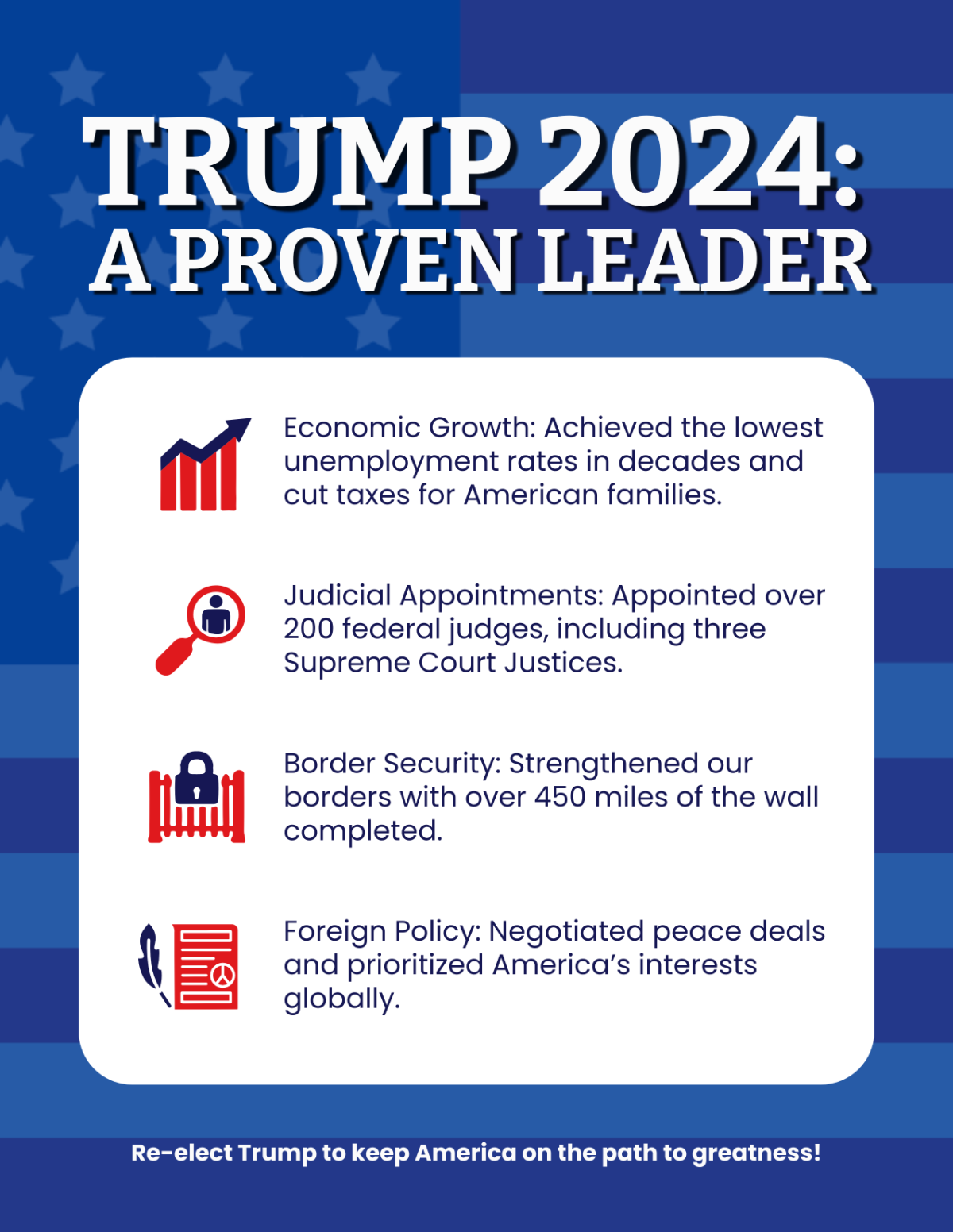

The tension for voters lies in reconciling these disparate indicators. While GDP growth has shown unexpected durability, the “feel factor” of the economy—driven by high mortgage rates and the cost of essentials—remains a major hurdle for incumbent interests. Trump’s proposed economic strategy, which includes the potential extension of the 2017 Tax Cuts and Jobs Act, is positioned as a remedy to this stagnation. Yet, economists frequently point out the potential for such measures to exacerbate the deficit, a point of contention that remains central to the debate over long-term fiscal sustainability, as noted in analyses by the Committee for a Responsible Federal Budget.
Global Trade and the Shift Toward Multilateralism
Beyond domestic policy, the question of how a potential second Trump administration would handle international trade is a significant variable for global markets. During his first term, Trump favored bilateral negotiations and the imposition of tariffs, most notably in the trade dispute with China. Today, however, the global environment is defined by a trend toward “minilateralism”—smaller, more targeted trade agreements that often bypass traditional Western-led institutions like the World Trade Organization (WTO).
This shift is not merely geopolitical; it is practical. Many emerging economies are seeking to diversify their trade dependencies, leading to a surge in bilateral currency settlements that reduce reliance on the US dollar. According to the Bank for International Settlements, while the dollar remains the world’s dominant reserve currency, the infrastructure for alternative payment systems is growing in sophistication. For a candidate who has previously championed the strength of the dollar while simultaneously advocating for policies that might invite retaliatory trade barriers, the challenge is to balance domestic protectionism with the reality of an interconnected, multipolar global economy.
Key Economic Considerations for the 2024 Election
- Fiscal Policy: The expiration of parts of the 2017 tax code in 2025 will force immediate legislative action from the next administration, a deadline tracked by the Tax Policy Center.
- Trade Relations: The effectiveness of broad-based tariffs versus targeted industrial policy remains a point of intense debate among trade economists.
- Energy Independence: The balance between promoting fossil fuel production and investing in the green energy transition is a critical differentiator in candidate platforms.
- Monetary Autonomy: The relationship between the executive branch and the Federal Reserve remains a focal point for market stability, with central bank independence being a cornerstone of institutional credibility.
What Happens Next: Navigating the Final Stretch
As the campaign moves toward the November general election, the focus will likely intensify on the specific “day one” economic agendas of the candidates. For Trump, the goal is to articulate a vision that bridges the gap between his populist base and the concerns of institutional investors who prioritize stability and predictability. The market is currently pricing in various scenarios, with analysts at major financial institutions closely monitoring campaign rhetoric for signals on future trade barriers, tax adjustments, and regulatory shifts.
The next major checkpoint for voters and investors will be the upcoming presidential debates, where specific economic plans are expected to be scrutinized in detail. The Federal Open Market Committee (FOMC) meetings scheduled throughout the autumn will provide essential updates on the interest rate environment, which will undoubtedly color the economic arguments presented by both sides. As we continue to cover these developments, the 2024 election will be defined by the intersection of domestic prosperity and the global shifts that are fundamentally altering the way the world does business.
What are your thoughts on the impact of current trade policies on the global market? Share your perspectives in the comments section below, and stay tuned to World Today Journal for ongoing coverage as we track the economic indicators that matter most.