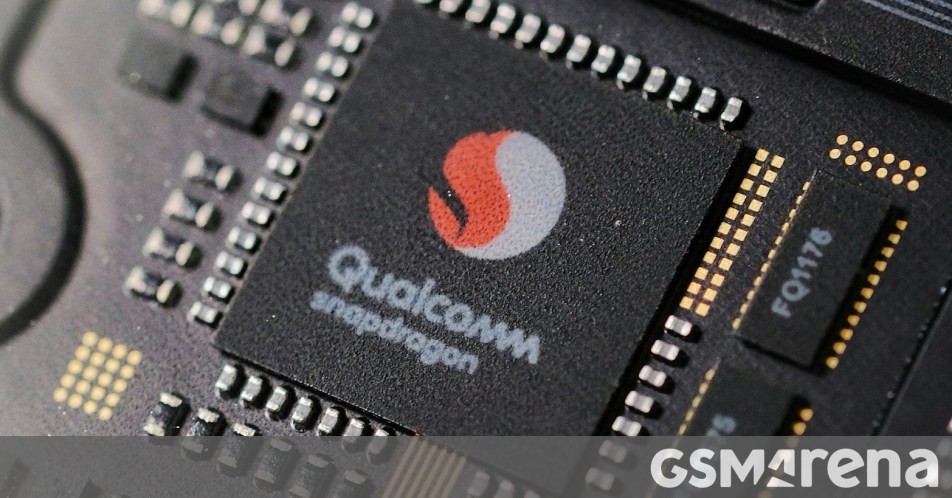
Global smartphone shipments dropped in the second quarter of 2026 as a prolonged shortage of DRAM and NAND memory chips disrupted supply chains and drove up production costs, according to reports from research firms digit.in and aol.com. Omdia estimated that worldwide smartphone shipments fell by 4 percent year-on-year in Q2 2026, while Counterpoint Research reported an 11 percent year-over-year decline, marking the industry’s worst second quarter in 13 years.
Global Smartphone Shipments Fall in Q2 2026 Amid Severe Memory Chip Shortage
The soaring demand for high-bandwidth memory from artificial intelligence data centers has tightened component availability, forcing manufacturers to increase prices and adopt more cautious strategies. Memory costs have surged nearly 300 percent from a year ago according to International Data Corporation (IDC), with Omdia noting that some vendors are paying four to five times more for memory than a year earlier.
Impact on Budget Devices and Component Shipments
The supply constraints and higher production costs have severely impacted the budget, entry-level, and mid-range segments. Omdia reported that memory and storage now account for more than 60 percent of the bill of materials for budget smartphones and more than 30 percent for premium models. IDC senior research director Nabila Popal noted that memory costs now account for over 65 percent of the bill of materials at the low end, making survival difficult for original equipment manufacturers with low-end portfolios.
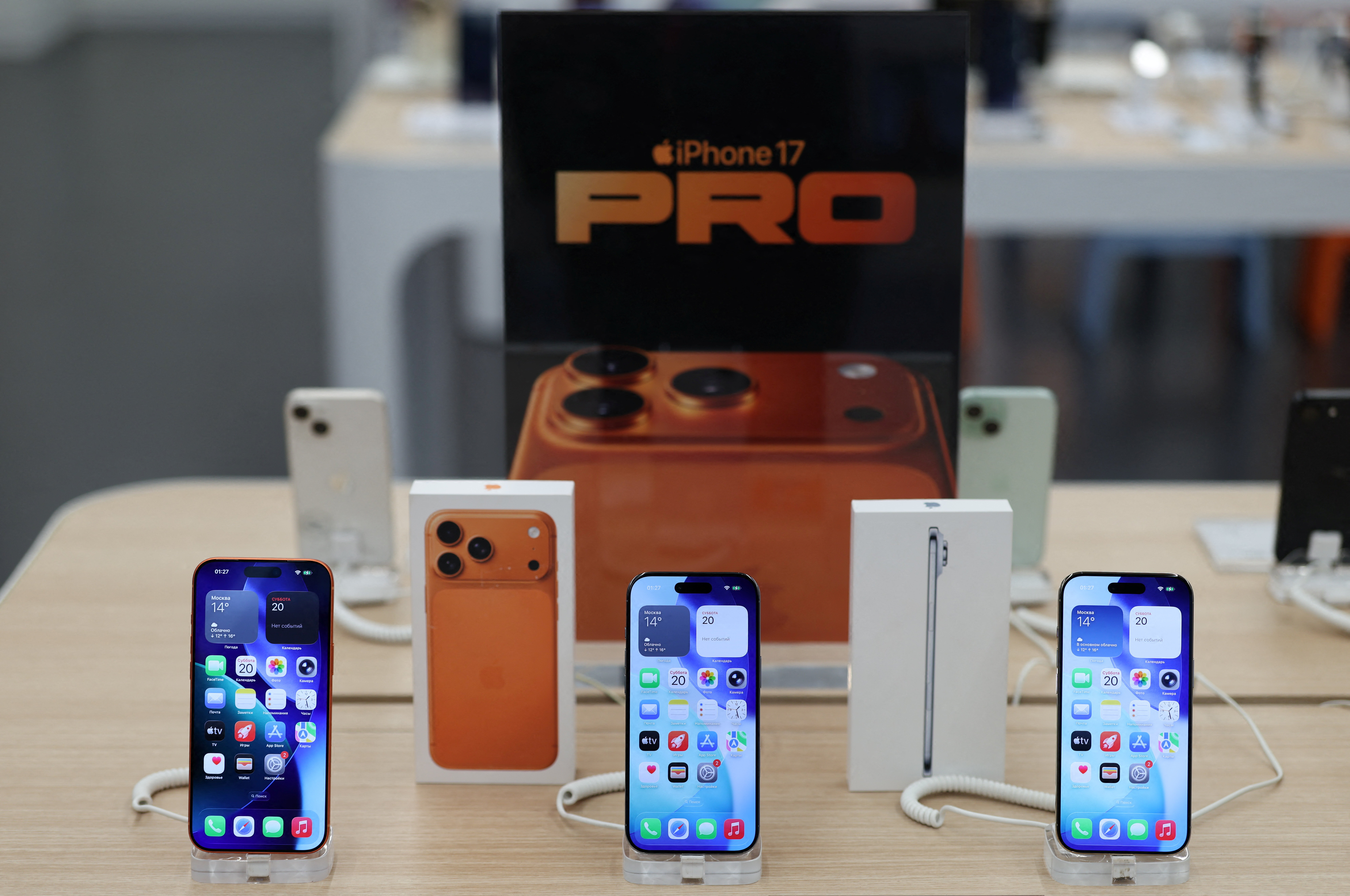
Component shipments have also taken a major hit. Major chipset players Qualcomm and MediaTek experienced an estimated 25 percent decline in system-on-chip shipments compared to the first half of 2025. Qualcomm’s flagship Snapdragon 8 Elite Gen 5 and other premium options saw limited growth, while MediaTek experienced a plunge in low-end 5G chips. Conversely, Apple, Unisoc, and Samsung increased their chipset shipments, with Apple supported by demand for the iPhone 17 series and its A19 and A19 Pro chipsets.
Samsung and Apple Gain Market Share While Chinese Brands Decline
Despite the overall market contraction, premium vendors Samsung and Apple expanded their market share in Q2 2026. Samsung retained its lead in the global smartphone market, capturing a 22 percent market share and recording a 2 year-on-year increase in shipments, supported by stable supply, resilient consumer demand, and a strong affordable smartphone segment. Apple ranked second with a 20 percent market share, achieving its strongest-ever second-quarter performance driven by healthy demand for the iPhone 17 lineup and a steady upgrade cycle.
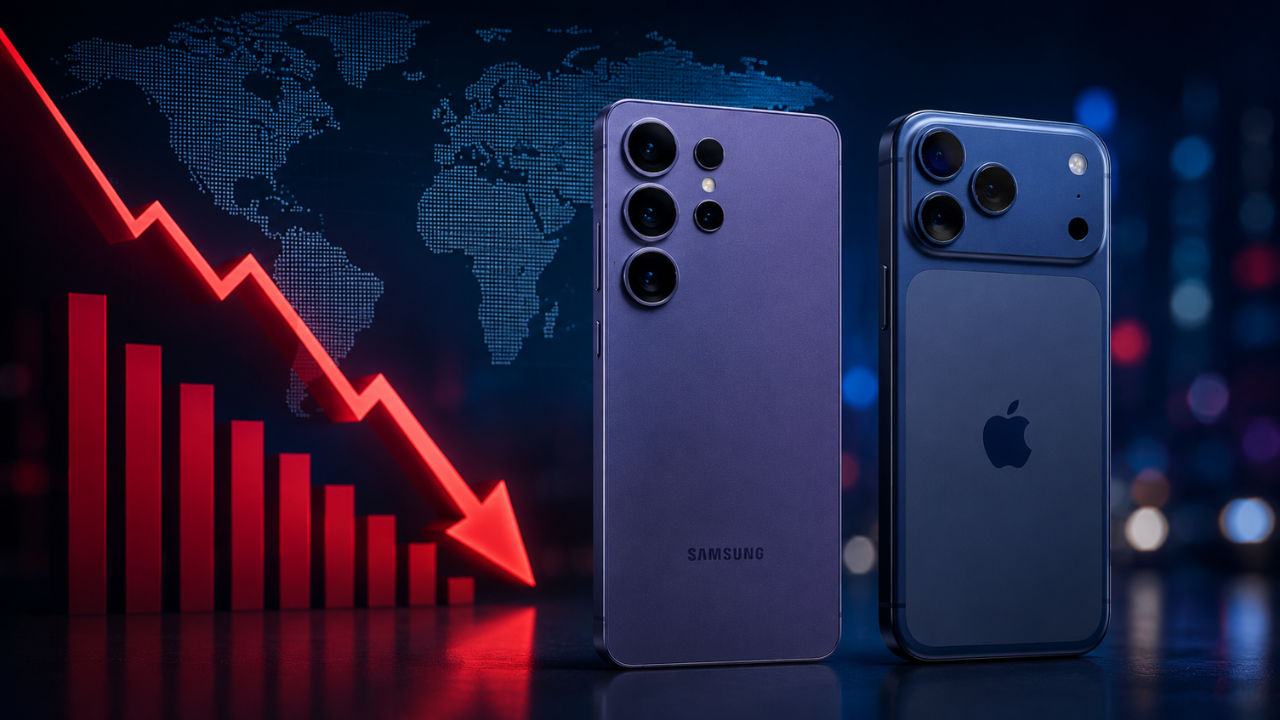
In contrast, major Chinese smartphone manufacturers experienced a weaker quarter. Xiaomi saw its market share slip to 11 percent compared to 15 percent a year earlier. Oppo captured 10 percent of the market, down by 2 percentage points year-on-year, while Vivo and iQOO together accounted for 8 percent of the market compared to 9 percent in Q2 2025.
Industry Outlook and Future Price Pressures
Industry executives and analysts warn that the memory crisis will persist. Apple CEO Tim Cook described the situation to the Wall Street Journal as a hundred-year flood,
noting that he had never seen anything like it in over 40 years and that price hikes for Apple products had become unavoidable. SK Hynix CEO Kwak Noh-Jung told Reuters that 2027 is expected to be the worst year yet from a supply perspective, forecasting that customer demand will remain higher than supply capacity beyond 2030.
Research firms project that memory prices will not normalize or begin easing before the second half of 2027. Omdia forecasts that the global average selling price of smartphones will climb to $565 in 2026, representing a 21 percent annual increase, as manufacturers prioritize higher-priced devices and profitability over shipment volumes.
Related reading