
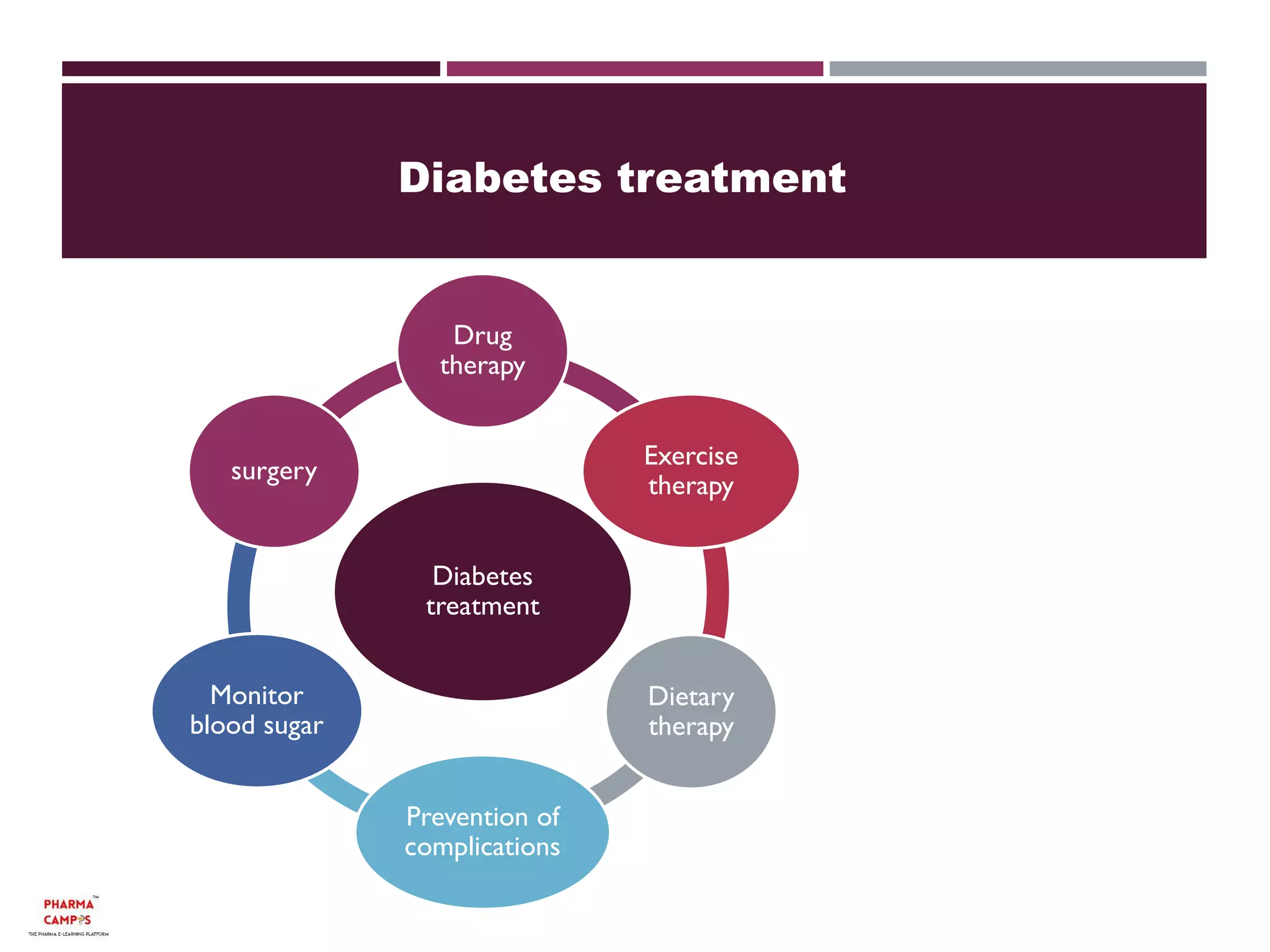
GLP-1 receptor agonists have fundamentally altered the clinical approach to managing Type 2 diabetes and obesity. As these therapies continue to gain global prominence, medical professionals are increasingly focused on a critical secondary effect: the impact of rapid weight loss on body composition, specifically the preservation of lean muscle mass. While these medications are effective in lowering blood glucose and facilitating weight reduction, they are intended to function as one component of a broader, structured treatment plan that includes significant nutritional and lifestyle adjustments.
The clinical application of these medications requires a nuanced understanding of physiological responses. According to a 2025 review published in Drug Design, Development and Therapy, GLP-1 receptor agonists and dual GLP-1/GIP receptor agonists leverage complex pharmacological mechanisms to manage metabolic health. These treatments are not standalone solutions; they operate most effectively when integrated with consistent medical supervision and behavioral modifications, as noted by the Cleveland Clinic’s guidance on metabolic treatment protocols.
Understanding the Role of GLP-1 Agonists
GLP-1 agonists, also referred to as glucagon-like peptide-1 receptor agonists, incretin mimetics, or GLP-1 analogs, mimic a hormone naturally produced in the body. When administered—typically via subcutaneous injection in the abdomen, thighs, or upper arms—these medications help regulate blood sugar levels. Since the U.S. Food and Drug Administration (FDA) approved the first medication in this class, exenatide, in 2005, researchers have documented their expanding utility in clinical settings. The ongoing evaluation of their long-term benefits remains a primary focus of current endocrinology research, as detailed in the scholarly review from the Department of Endocrinology at Putuo Hospital, Shanghai University of Traditional Chinese Medicine.
It is important to emphasize that these medications are not intended to replace the foundations of health. Clinical guidelines consistently stress that dietary changes and physical activity remain essential for patients. Without a structured nutritional strategy, the rapid weight loss facilitated by these agonists can lead to a disproportionate loss of muscle mass alongside fat stores, a concern that clinicians are now addressing more aggressively in practice.
Nutritional Strategies and Muscle Preservation
Preserving muscle mass during a weight-loss intervention is a priority for maintaining metabolic function and long-term health. For patients using GLP-1 receptor agonists, the primary nutritional concern involves ensuring adequate protein intake to support muscle maintenance while maintaining a caloric deficit. Medical experts advise that nutritional planning must be personalized, taking into account the patient’s baseline muscle mass and metabolic requirements.
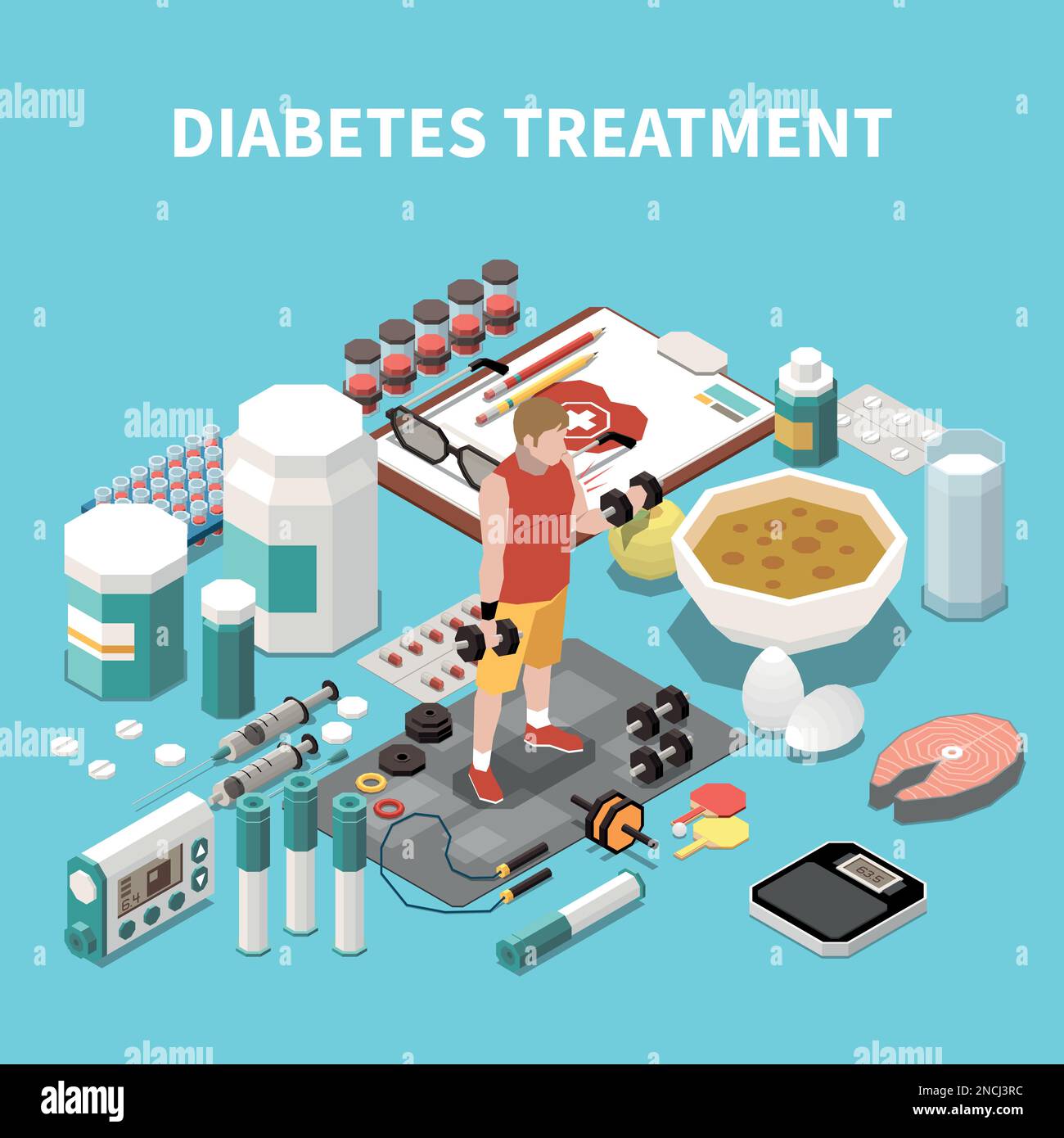
The transition toward using these therapies necessitates a collaborative approach between the patient and their healthcare provider. Because these medications affect appetite and satiety signals, patients may experience a significant reduction in food intake. If this reduction is not carefully managed, it can result in inadequate protein consumption, which directly threatens muscle integrity. Clinicians are increasingly recommending structured resistance training in tandem with pharmacological treatment to signal the body to maintain muscle tissue even as total body weight decreases.
Clinical Perspectives on Long-Term Management
The medical community continues to refine the protocols for using GLP-1 and dual-agonist therapies. The 2025 review in Drug Design, Development and Therapy highlights the diversity of physiological functions influenced by these drugs, noting that they are promising targets for metabolic management. However, the complexity of these pathways underscores why these treatments must be administered under the guidance of a physician who can monitor for potential side effects and adjust treatment plans based on individual patient progress.
Patients are encouraged to maintain open communication with their primary care providers regarding their physical activity levels and dietary habits. As research continues to emerge, the focus is shifting from simple weight reduction metrics to the quality of that weight loss. Ensuring that patients retain their strength and functional capacity is now considered a standard pillar of high-quality metabolic care.
For those seeking updated information on metabolic health and the application of these medications, official resources from academic medical centers and regulatory bodies provide the most reliable guidance. Ongoing clinical studies and reviews, such as those indexed in the National Library of Medicine’s PMC database, continue to provide the latest data on the efficacy and safety profiles of these therapies. Readers should consult their healthcare providers to discuss how these developments apply to their specific health needs and to stay informed about the latest clinical recommendations.
We invite our readers to share their questions or experiences regarding metabolic health journeys in the comments section below. Our editorial team will continue to monitor updates from clinical journals and regulatory bodies to provide the most accurate, evidence-based health news.
Worth a look