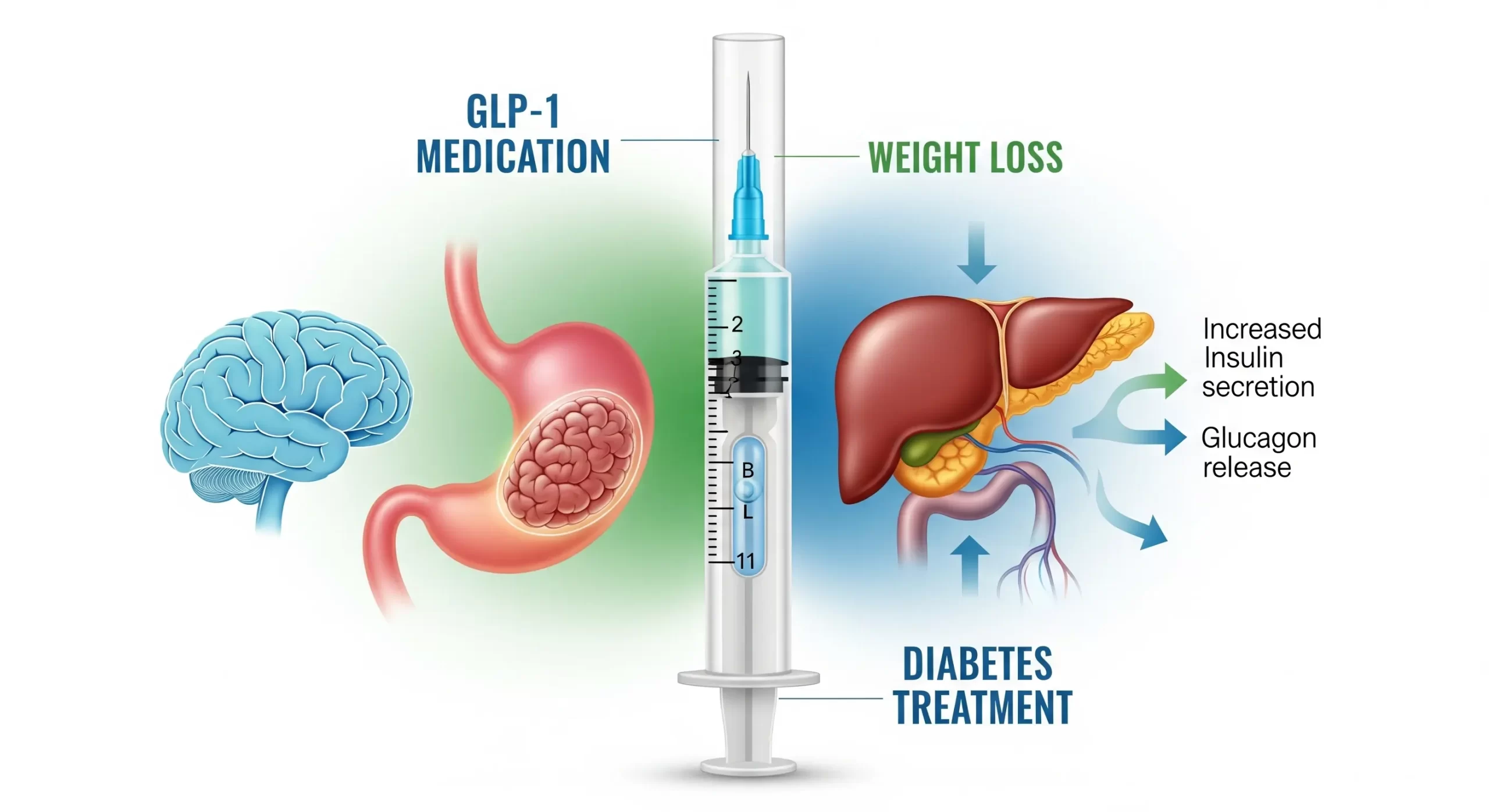
A new experimental medication, retatrutide, has demonstrated significant efficacy in reducing both body weight and blood glucose levels in patients with obesity and type 2 diabetes, according to phase III clinical trial results published in the New England Journal of Medicine. The drug, which functions as a triple hormone receptor agonist, represents a potential evolution in metabolic health treatment by targeting three distinct pathways—GLP-1, GIP, and glucagon receptors—simultaneously to regulate energy balance and glycemic control.
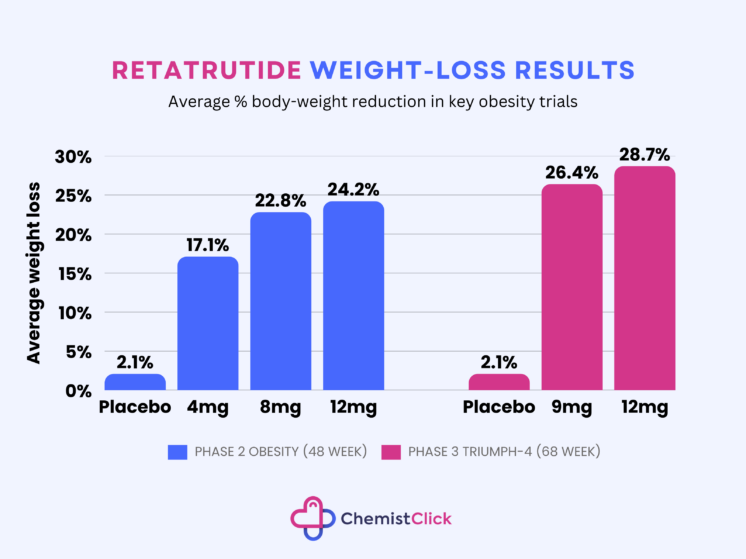
The clinical data, overseen by researchers at Eli Lilly and Company, indicate that participants receiving the highest dose of the drug achieved an average weight reduction of approximately 24% over 48 weeks. These results, which were formally released in June 2023, suggest that multi-agonist therapies may offer enhanced therapeutic outcomes compared to current standard-of-care treatments that target only a single hormone receptor. As a physician, I have observed that while existing GLP-1 therapies have transformed clinical practice, the move toward “triple-G” molecules aims to address the complexity of metabolic syndrome more comprehensively.
Understanding Triple Hormone Receptor Agonism
Unlike earlier generations of weight-loss medications that primarily mimic the glucagon-like peptide-1 (GLP-1) hormone, retatrutide is designed to interact with three receptors: GLP-1, glucose-dependent insulinotropic polypeptide (GIP), and glucagon. This multi-target approach is intended to mimic the body’s natural response to food intake while optimizing metabolic rate and satiety signals.

According to the official data provided by the manufacturer, the glucagon receptor agonism is particularly notable, as it is believed to contribute to increased energy expenditure, while GIP and GLP-1 signaling primarily manage insulin secretion and appetite suppression. By combining these, the drug effectively addresses the dual challenges of insulin resistance and adipose tissue accumulation. Clinical trials have monitored these markers closely, with researchers focusing on the safety profile and the incidence of gastrointestinal side effects, which remain the most common adverse events reported in patients using incretin-based therapies.
Clinical Trial Results and Patient Outcomes
The phase III investigations involved thousands of participants across various cohorts, including those with obesity and those with comorbid type 2 diabetes. The National Institutes of Health clinical trial registry confirms that the study design prioritized long-term metabolic markers, specifically tracking hemoglobin A1c (HbA1c) reductions alongside total body mass index (BMI) changes. In the diabetic cohort, patients showed a marked improvement in glycemic control, with many achieving levels typically associated with non-diabetic ranges.

Safety monitoring remains a priority for regulatory bodies like the European Medicines Agency (EMA) and the U.S. Food and Drug Administration (FDA). During the trial, the most frequently reported side effects included nausea, vomiting, and diarrhea, consistent with the known mechanism of action for this drug class. Researchers emphasize that these effects were generally dose-dependent and tended to subside as the body adjusted to the titration schedule. The FDA maintains a public database of all ongoing clinical development programs, providing a transparent look at the regulatory trajectory for novel obesity treatments.
The Evolution of Metabolic Healthcare
The landscape of metabolic disease management has shifted rapidly since the introduction of initial GLP-1 receptor agonists. Where early treatments focused on simple glucose regulation, the current standard now encompasses cardiovascular risk reduction and significant weight loss as primary endpoints. This shift is supported by clinical evidence showing that substantial weight loss in patients with obesity often leads to the remission of type 2 diabetes and the improvement of non-alcoholic fatty liver disease (NAFLD) markers.
The potential for retatrutide to enter the market comes at a time of high demand for effective, non-surgical obesity interventions. However, clinical experts continue to stress that these medications are intended to be used in conjunction with lifestyle modifications, including caloric restriction and physical activity. The World Health Organization (WHO) defines obesity as a chronic, relapsing disease, emphasizing that long-term management requires a multidisciplinary approach beyond pharmacology alone.
What Happens Next in the Approval Process
Following the successful conclusion of these trials, the next phase involves the submission of comprehensive data packages to international regulatory agencies for marketing authorization. This process includes rigorous reviews of manufacturing consistency, long-term safety data, and the evidence of clinical benefit over existing therapies. While the pharmaceutical company has signaled its intent to pursue these approvals, there is no fixed timeline for public availability, as regulatory review periods can vary significantly by jurisdiction.
Patients and healthcare providers are encouraged to follow official updates from their national regulatory bodies. For those in the European Union, the European Medicines Agency provides periodic updates on the status of new medicinal product applications. As more data becomes available, the medical community will gain a clearer understanding of how this therapy fits into the broader spectrum of metabolic care.
Have questions about how these new treatments might affect current clinical standards? Share your thoughts or professional inquiries in the comments section below, and join our community of readers tracking the latest developments in medical science.
Worth a look