Understanding Cystic Fibrosis-Related Diabetes: A new Approach to Screening and Diagnosis
Cystic fibrosis-related diabetes (CFRD) is a significant concern for individuals living with cystic fibrosis. It can dramatically impact your lung function,nutritional status,and overall quality of life.Traditionally, diagnosing CFRD has relied on methods like HbA1c tests and oral glucose tolerance tests (OGTTs). However, emerging research suggests a more accurate and patient-amiable approach may be on the horizon: continuous glucose monitoring (CGM).
The Challenges with Current CFRD Screening
For years, identifying CFRD has presented unique challenges. HbA1c, while convenient, doesn’t always capture the rapid glucose fluctuations common in people with cystic fibrosis. Similarly, the OGTT, requiring a lengthy fast and multiple blood draws, can be burdensome and isn’t always well-tolerated. You deserve a screening process that’s both effective and respectful of your time and comfort.
How Continuous glucose Monitoring is Changing the Game
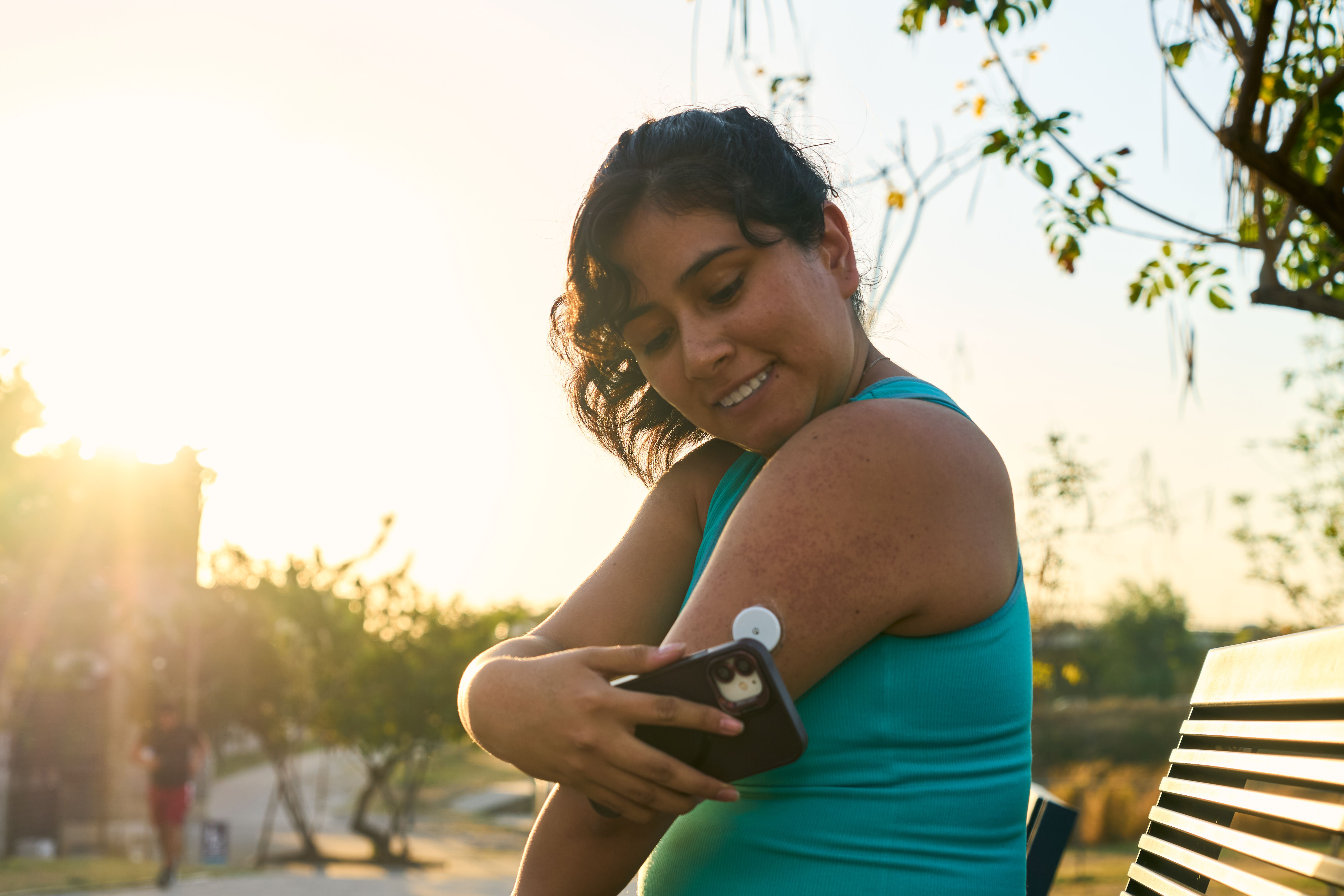
Continuous glucose monitoring involves wearing a small sensor that tracks your glucose levels throughout the day and night. Recent studies indicate that CGM offers a compelling alternative to conventional methods. Here’s what the research reveals:
* High Patient Acceptance: Patients generally find CGM more acceptable than the often-tough OGTT.
* Consistent Data: Participants in studies wore the sensor approximately 70% of the time, allowing for a robust dataset.
* Frequent Monitoring: Scans were performed at least every eight hours, providing a detailed picture of glucose patterns.
* Extensive Metrics: CGM provides valuable data points, including average glucose, glucose management index (GMI), glucose variability, and time spent in different glucose ranges.
* Glucodensity Analysis: A novel approach using CGM data, glucodensity, further refines diagnostic accuracy.
CGM’s Diagnostic Performance: What the Numbers Say
The diagnostic capabilities of CGM are particularly promising. Research demonstrates:
* Sensitivity: Time above 180 mg/dL for more than 6% of the day showed a 93% sensitivity in identifying CFRD. This means it correctly identified 93% of individuals with the condition.
* Specificity: Time above 140 mg/dL for over 20% of the day yielded a 90% specificity. This indicates it correctly identified 90% of individuals without the condition.
* Superior to HbA1c: CGM consistently outperformed HbA1c in detecting CFRD.
* Enhanced Accuracy: Combining CGM metrics with glucodensity analysis boosted both sensitivity and specificity to over 85%.
What Does This Mean for You?
These findings suggest that CGM could become a new standard in CFRD diagnosis. It offers a more nuanced and accurate assessment of your glucose control. While further research is needed to establish optimal cut-off points for CGM metrics and glucodensity, the potential benefits are clear.
You can expect more personalized and effective management of your CFRD with this technology. It empowers you and your healthcare team to make informed decisions about your care.
the Future of CFRD Screening
Larger, prospective studies are underway to refine the use of CGM in CFRD screening. These studies will help determine the most effective thresholds for diagnosis. Tho, the current evidence strongly supports the exploration of CGM as a valuable tool for identifying and managing this complex condition.
Ultimately, the goal is to provide you with the best possible care and improve your overall well-being. Continuous glucose monitoring represents a significant step forward in achieving that goal.