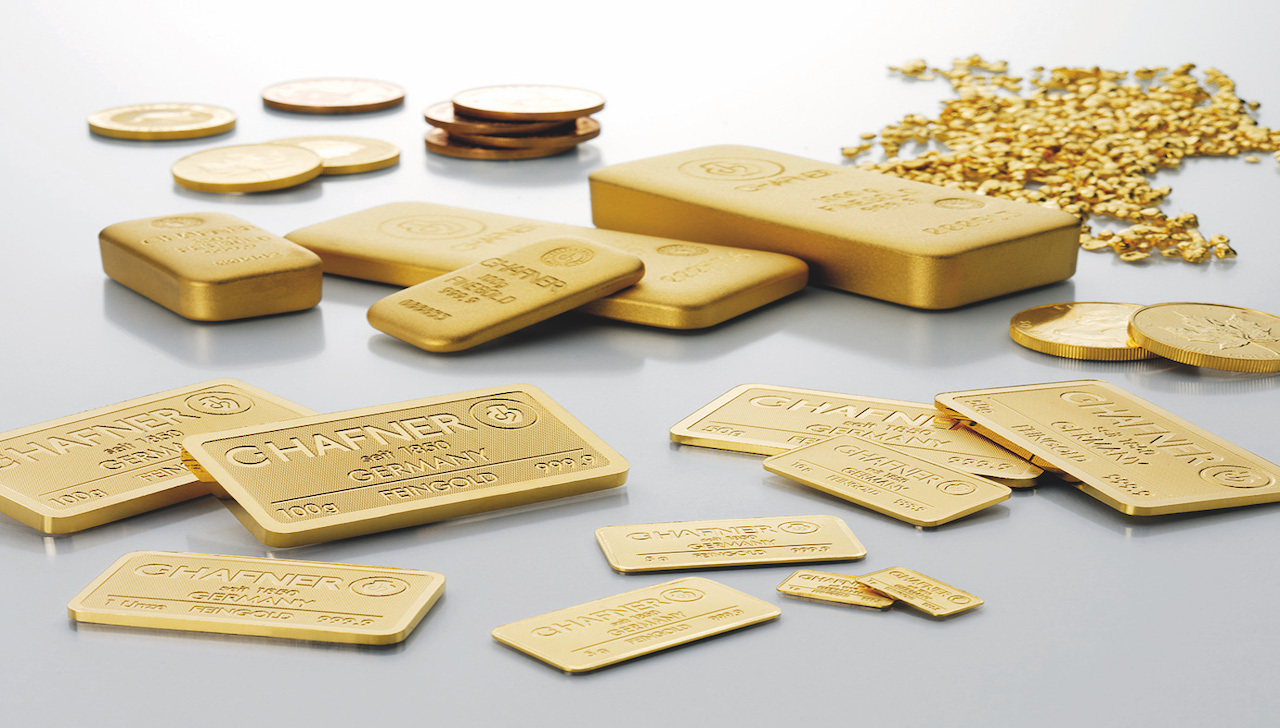
Gold Faces Weekly Decline Amid Dollar Strength and Inflation Concerns
Gold prices are currently experiencing downward pressure, poised for a second consecutive weekly loss, as a strengthening U.S. Dollar and elevated oil prices contribute to market uncertainty surrounding the Federal Reserve’s monetary policy. The precious metal, often viewed as a safe-haven asset, is reacting to shifting economic indicators and expectations regarding future interest rate adjustments. This confluence of factors is prompting some investors to reassess their positions and take profits after a period of substantial gains.
As of 15:30 GMT on Friday, March 13, 2026, the April gold futures contract was trading down 0.6% at $2,097 per ounce, according to data from MarketWatch. This decline reflects a broader trend of investors favoring the dollar, which has gained strength in recent sessions. The dollar’s rise typically exerts downward pressure on gold prices, as the metal is priced in U.S. Currency and becomes more expensive for holders of other currencies.
The Interplay of Oil Prices, Inflation and Fed Policy
Adding to the downward pressure on gold is the recent surge in oil prices. High energy costs are fueling concerns about persistent inflation, potentially delaying any anticipated interest rate cuts by the Federal Reserve. Jean-François Faure, founder and president of AuCoffre, explained that “the expensive oil revives fears of inflation and fuels the idea that Fed rate cuts could be postponed, which curbs gold’s potential upside in the short term.” He further noted that the combination of higher oil prices, a stronger dollar, and expectations of less accommodative monetary policy is leading some investors to realize profits after a significant rally.
The U.S. Dollar Index (DXY), which measures the value of the dollar against a basket of major currencies, was up 0.3% at 100.04 points as of 15:30 GMT. Simultaneously, the May Brent crude oil futures contract fell 0.6%, but remained close to the $100 per barrel mark. This illustrates the complex relationship between energy prices, currency valuations, and the outlook for monetary policy.
Federal Reserve’s Balancing Act
The Federal Reserve, the central banking system of the United States, established on December 23, 1913, is currently navigating a delicate economic landscape. The central bank’s primary mandate is to maintain price stability and full employment. The Federal Reserve Board is closely monitoring inflation data and labor market conditions to determine the appropriate course of action regarding interest rates. As of March 13, 2026, the bank rate stands at 3.75%, with the interest rate target range at 3.50–3.75% and interest on reserves at 3.65%.
Eric Chia, a financial markets strategist at Exness, commented that “the risks associated with the persistence of high energy prices could limit the Federal Reserve’s ability to adopt a more accommodative stance, which would maintain gold’s sensitivity to geopolitical developments.” This suggests that geopolitical risks and uncertainties could continue to influence gold prices, even as macroeconomic factors exert downward pressure.
Dollar Strength and its Implications
The recent strengthening of the U.S. Dollar is a significant factor impacting gold prices. A stronger dollar makes gold more expensive for investors holding other currencies, reducing demand. Several factors contribute to dollar strength, including a relatively strong U.S. Economy and expectations of continued monetary tightening by the Federal Reserve. The dollar’s performance is closely watched by investors as it serves as a benchmark for global trade and finance.
The dollar’s strength isn’t limited to its impact on gold. It also affects other commodities priced in U.S. Dollars, as well as the earnings of multinational corporations. A stronger dollar can make U.S. Exports more expensive and imports cheaper, potentially impacting the trade balance.
Gold’s Historical Role as a Safe Haven
Despite the current headwinds, gold has historically served as a safe-haven asset during times of economic and political uncertainty. Investors often turn to gold as a store of value when they are concerned about inflation, geopolitical risks, or financial market volatility. Still, the effectiveness of gold as a safe haven can vary depending on the specific circumstances and investor sentiment.
The Federal Reserve currently issues denominations of $1, $2, $5, $10, $20, $50, and $100, as outlined by the U.S. Currency Education Program. The Seven Denominations program provides information on the security features and design elements of U.S. Currency.
Looking Ahead: Key Factors to Watch
Several key factors will likely influence gold prices in the coming weeks. These include the trajectory of U.S. Inflation, the Federal Reserve’s monetary policy decisions, geopolitical developments, and the performance of the U.S. Dollar. Investors will be closely monitoring these factors to assess the outlook for gold and adjust their portfolios accordingly.
The next Federal Open Market Committee (FOMC) meeting, scheduled for [Date of next FOMC meeting – needs verification], will be a crucial event for gold investors. The FOMC’s decisions regarding interest rates and quantitative easing will provide valuable insights into the Fed’s outlook for the economy and its monetary policy stance. Market participants will be scrutinizing the FOMC’s statements and projections for clues about the future path of interest rates.
ongoing geopolitical tensions, particularly in [mention current geopolitical hotspots – needs verification], could continue to support gold prices as investors seek safe-haven assets. Any escalation of these tensions could lead to increased risk aversion and a flight to quality, benefiting gold.
The interplay between these factors will determine whether gold can regain its upward momentum or continue to face downward pressure in the near term. Investors should remain vigilant and closely monitor these developments to make informed investment decisions.
Disclaimer: This article provides general information and should not be considered financial advice. Investors should consult with a qualified financial advisor before making any investment decisions.
Keep reading
- Asian Chip Stocks Tumble as Investors Dump Samsung and SK Hynix
- Nvidia May Backstop Massive OpenAI Data Center Lease: What Investors Need to Know
- Michael Zheng vs Martin Landaluce Total Games Tennis Prediction Market (world-today-news.com)
- Kalshi Wins Preliminary Injunction Against Minnesota Prediction Market Ban (time.news)