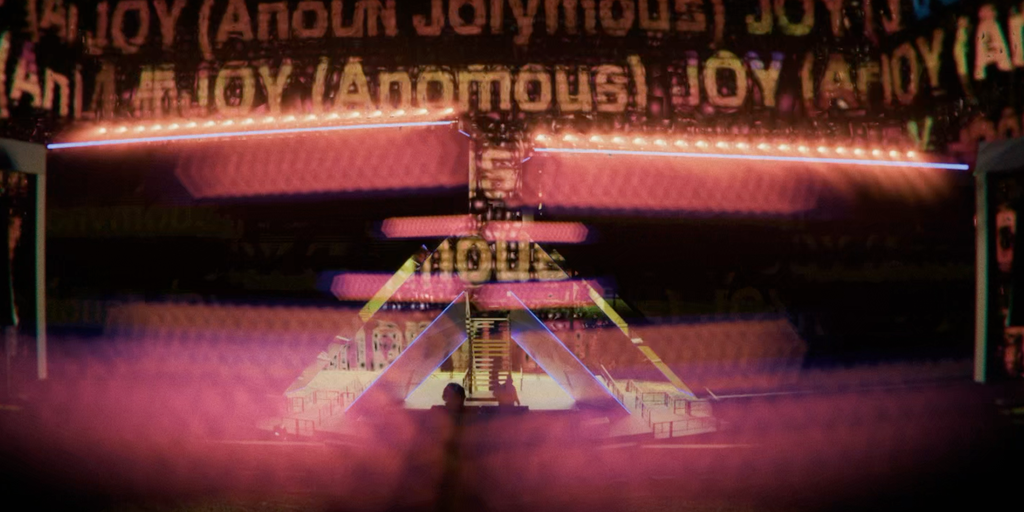
The Coachella Valley Music and Arts Festival, one of the world’s most influential cultural gatherings, served as a live laboratory in April 2026 for experimental artificial intelligence tools developed by Google DeepMind. This collaboration marked a significant step in exploring how advanced AI can reshape live entertainment experiences, from real-time audience interaction to dynamic stage production. Held annually in Indio, California, the festival attracts hundreds of thousands of attendees and global media attention, making it a high-visibility platform for testing cutting-edge technologies in authentic, large-scale environments.
According to verified reports from NVIDIA’s GTC San Jose 2026 conference highlights, Google DeepMind partnered with Coachella organizers to deploy and evaluate prototype AI systems designed to enhance artistic expression and audience engagement during performances. While specific technical details of the tools remain undisclosed, the initiative aligns with broader industry trends where AI is being integrated into creative workflows to generate adaptive visuals, music, and responsive environments. The partnership underscores a growing intersection between major technology firms and live event producers seeking to innovate beyond traditional formats.
This year’s Coachella edition, held over two weekends in April 2026, featured performances across multiple stages headlined by international artists spanning genres from hip-hop to electronic dance music. The festival’s reputation for embracing technological experimentation—evident in past years through augmented reality apps, interactive installations, and cashless payment systems—made it a natural fit for DeepMind’s research goals. Attendees may have encountered AI-driven elements without explicit labeling, as such trials are often embedded subtly within the fan experience to measure organic interaction and aesthetic impact.
Google DeepMind, the London-based AI research lab acquired by Alphabet in 2014, has increasingly focused on applying its breakthroughs in machine learning to real-world domains beyond gaming and scientific discovery. Its work in generative models, reinforcement learning, and multimodal AI has positioned it as a key player in exploring AI’s role in creative industries. The Coachella collaboration represents an extension of this mission into live, time-sensitive environments where human perception, emotion, and spontaneity are central to the experience.
Industry analysts note that live entertainment presents unique challenges for AI deployment, including low-latency processing requirements, unpredictability of crowd behavior, and the need for seamless integration with existing production infrastructure. Unlike controlled studio settings, festivals like Coachella demand systems that can operate reliably under variable network conditions, power fluctuations, and extreme weather—all while maintaining artistic integrity and audience safety. Any AI tool tested in this context must demonstrate robustness and adaptability far beyond laboratory conditions.
The use of AI in live performance is not entirely novel; previous experiments have included AI-generated visuals synced to music at events like Moogfest and Ars Electronica, as well as robotic musicians and algorithmic DJ sets. However, DeepMind’s involvement at a festival of Coachella’s scale and prestige signals a potential shift toward more sophisticated, research-driven applications rather than superficial demonstrations. Such partnerships could pave the way for future innovations in personalized audience experiences, real-time content adaptation, and immersive storytelling.
Privacy and ethical considerations also arise when deploying AI at mass gatherings. Questions about data collection—such as whether audience movements, facial expressions, or audio inputs were used to train or refine models—remain pertinent. As of now, no official statement from either Google DeepMind or Coachella organizers (Goldenvoice, a subsidiary of AEG Presents) has detailed the specific data practices involved in the 2026 trial. Transparency around consent, data anonymization, and purpose limitation will be critical as such technologies move from experimental phases to broader implementation.
Looking ahead, the outcomes of this collaboration may inform future AI applications not only in music festivals but also in theater, sports events, and theme parks. While no public roadmap has been released by DeepMind regarding commercialization of these tools, the company continues to publish research on AI and creativity through peer-reviewed conferences and its official blog. Stakeholders in the live entertainment sector are advised to monitor official channels from both Google DeepMind and major event producers for verified updates on post-event findings or potential follow-up initiatives.
As the boundaries between technology and lived experience continue to blur, festivals like Coachella serve as vital testbeds for understanding how AI can augment—rather than replace—human creativity in shared, physical spaces. The true measure of success will lie not in technical sophistication alone, but in whether these tools deepen emotional resonance, foster connection, and expand artistic possibility without compromising the authenticity that defines live culture.
For ongoing coverage of AI’s evolving role in arts and entertainment, readers are encouraged to follow verified sources such as the NVIDIA GTC conference proceedings, official announcements from Google DeepMind, and reputable tech journalism outlets that prioritize transparency and evidence-based reporting.
Share your thoughts on how AI is shaping the future of live events. Have you noticed intelligent technologies enhancing your concert or festival experiences? Join the conversation below and facilitate us explore what comes next at the intersection of innovation and human expression.
Keep reading