
Google’s annual developer conference, Google I/O 2026, has concluded, leaving the tech industry with a clear vision of the company’s “AI-first” trajectory. Following the initial keynote on May 19, 2026, the two-day event underscored a fundamental shift in how the Mountain View giant is weaving artificial intelligence into the fabric of its entire product ecosystem. From the integration of Gemini into core search utilities to the ambitious expansion of Android’s cross-device capabilities, this year’s conference functioned less like a traditional software update showcase and more like a comprehensive unveiling of an AI-integrated future.
As the Technology Editor here at World Today Journal, I have spent the last 48 hours analyzing the implications of these announcements. While the absence of a specific release date for Android 17 may have left some enthusiasts wanting, the rollout of the latest developer beta signals that Google is prioritizing iterative, AI-driven feature deployment over traditional, monolithic version releases. For developers and consumers alike, the message is clear: Google’s product roadmap is now inextricably linked to the rapid advancement of its generative AI models.
The New Face of Everyday AI
A primary focus of this year’s event was making sophisticated AI features accessible to the average user. Google is moving beyond experimental AI tools, transitioning them into daily routines. Among the most notable announcements is the introduction of the “Universal Cart” within Google Search, aimed at streamlining the shopping experience by aggregating items across various platforms. The “Ask YouTube” feature, which utilizes Gemini’s contextual understanding to help users navigate video content, highlights Google’s intent to make information retrieval more conversational and intuitive.
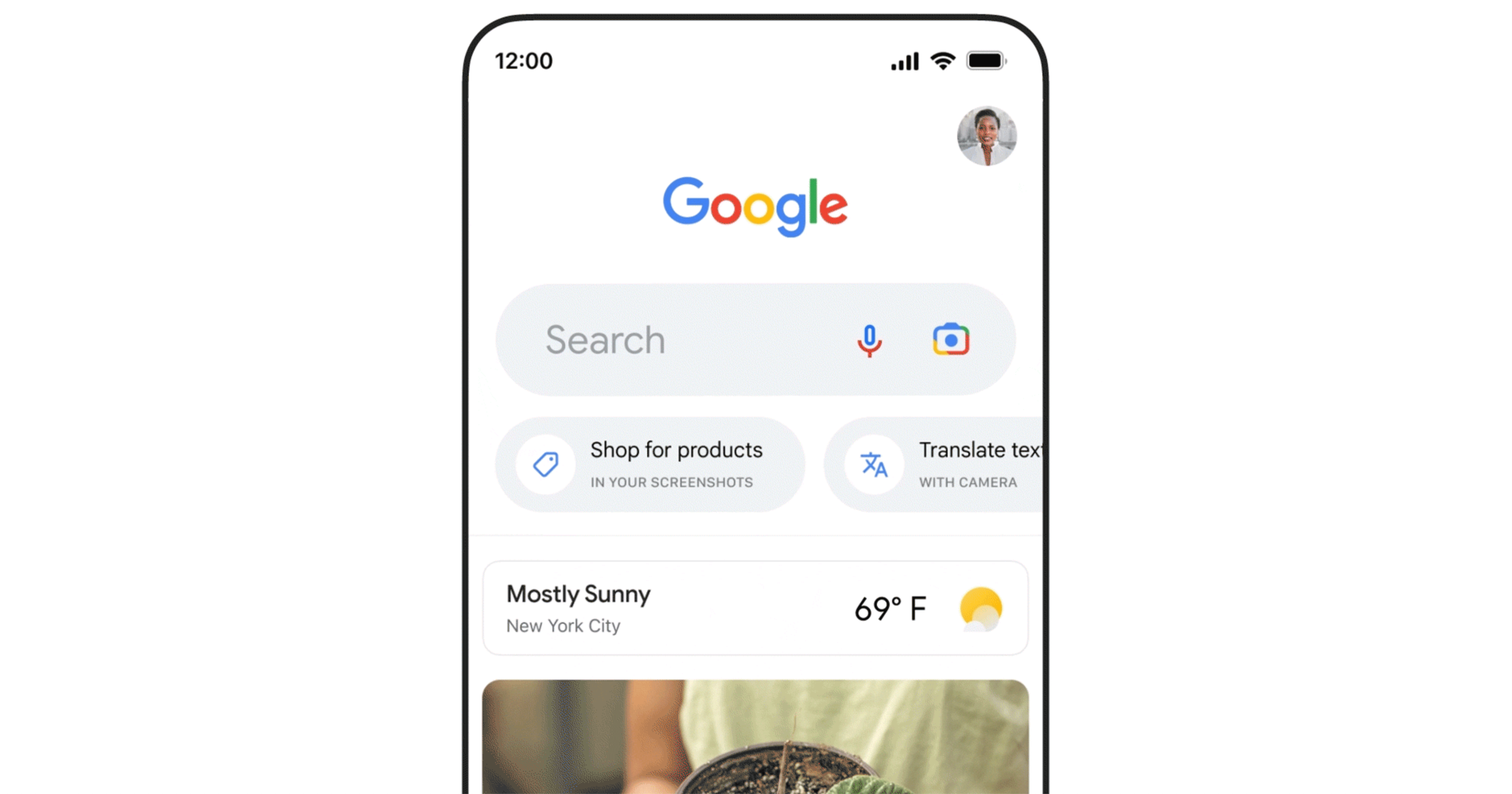
For those eager to test the latest advancements, Gemini 3.5 Flash, which began its rollout on May 19, represents a significant step in model efficiency. The integration of creative tools is also expanding, with the “Adobe Creative Connector” slated for release later this year. This partnership aims to bridge the gap between AI-driven prompts and professional-grade creative workflows, allowing users to automate complex tasks across Adobe’s suite of applications directly through Gemini.
Evolving the Android Ecosystem
One of the most practical announcements for the mobile community is the “Continue On” feature, a centerpiece of the upcoming Android 17 software. Designed to facilitate a seamless transition of app states between devices, the feature bears a functional resemblance to established continuity protocols in the industry. Initially limited to interactions between Android phones and tablets, the feature aims to eliminate the friction often associated with multi-device productivity.
the conference provided a candid look at the company’s hardware ambitions. During the sessions, Google executives, including Android leadership, addressed the historical challenges faced by early smart eyewear, noting that the success of future devices will depend heavily on the intersection of utility and fashion. The strategy for Android XR involves partnerships with established eyewear brands, such as Warby Parker and Gentle Monster, to ensure that the hardware is as aesthetically appealing as This proves technologically advanced.
Subscription Tiers and Content Integration
Google’s strategy for its AI subscription plans has also seen a significant refinement. In a move to add value for power users, the company announced that YouTube Premium perks will now be bundled with specific Google AI tiers. Subscribers to the Google AI Pro plan—priced at $20 per month—will receive access to YouTube Premium Lite, while those opting for the $100 per month Google AI Ultra plan will gain access to the full, unrestricted YouTube Premium experience. This bundling strategy reflects a broader trend of ecosystem consolidation, where AI utility and media consumption are increasingly offered as a unified service package.
However, the transition has not been without friction. Reports from the developer and power-user community suggest that the introduction of new usage caps for Gemini Pro subscribers has caused some concern. While Google has not publicly detailed the specific thresholds for every account type, the move highlights the ongoing challenge of balancing the massive computational costs of generative AI with the expectations of a growing subscriber base.
Looking Ahead: The Path to AI Integration
As we look past the conclusion of Google I/O 2026, the focus shifts to the implementation of these technologies. With the latest Android 17 beta now in the hands of developers, we expect to see more third-party apps integrating Gemini’s capabilities in the coming months. The industry will be closely monitoring how effectively Google can scale these AI features while maintaining the performance standards users expect.
 "Google I/O 2026 Day event")
The next major checkpoint for these developments will likely be the official, stable release of Android 17 later this year, alongside further updates to the Gemini model suite. We will continue to track these updates as they move from conference prototypes to consumer-ready products. I encourage our readers to share their thoughts on these announcements in the comments section below—are you excited about the shift toward an AI-integrated OS, or are you concerned about the rising costs of these premium features? Your feedback is an essential part of our ongoing coverage here at World Today Journal.