As the curtains closed on Google I/O 2024, the tech industry was left with a clear takeaway: the era of reactive product announcements is, for now, in the rearview mirror. While the shadow of competitors like OpenAI has dominated the conversation for the past 18 months, Sundar Pichai’s latest keynote shifted the narrative toward a cohesive, long-term vision. Google is no longer just chasing a chatbot; it is building an integrated, AI-first ecosystem that spans from mobile hardware to the deepest layers of cloud infrastructure.
For those of us tracking the industry from San Francisco, the shift in tone was palpable. The event, which took place at the Shoreline Amphitheatre in Mountain View, served as a masterclass in platform consolidation. By weaving Gemini—Google’s most capable AI model—into the fabric of Android, Workspace, and Search, the company is attempting to move beyond the novelty of generative AI and toward practical, daily utility for billions of users. According to official company statements, this transition represents the most significant architectural shift for Google’s software stack in over a decade.
The Evolution of Gemini: Beyond the Chatbot
The centerpiece of this year’s event was undoubtedly the expansion of Gemini. Google is positioning its AI not as a standalone tool, but as a proactive assistant capable of reasoning across multimodal inputs. We saw demonstrations of Gemini 1.5 Pro, which now supports a massive 2-million-token context window. This represents a critical development for developers and enterprise users alike, as it allows for the analysis of vast datasets, hour-long video files, or massive code repositories in a single prompt.
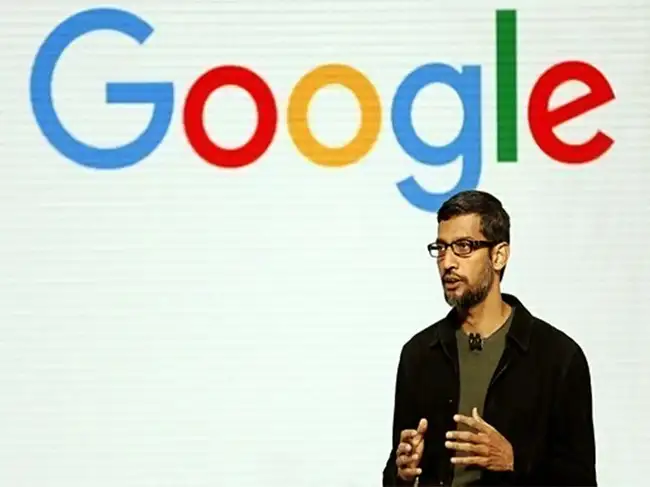
Why does this matter? Because the bottleneck for generative AI has long been the “context window”—the amount of information a model can hold in its “working memory” at one time. By expanding this capacity, Google is effectively enabling AI to serve as a partner in complex workflows rather than just a quick-answer engine. This move aligns with broader industry trends toward AI-augmented productivity, a sector that is seeing rapid investment and deployment across the global tech landscape.
Google’s integration of AI into Search—labeled “AI Overviews”—also marks a pivotal moment for the web. By providing direct, generative summaries at the top of search results, Google is fundamentally altering the user journey. While this has sparked debate regarding traffic to third-party publishers, the company is betting on a future where the “search” experience is increasingly conversational and intent-driven.
Android and the Hardware Ecosystem
It is impossible to discuss the future of AI without addressing the device in your pocket. At I/O, Google showcased how Android is being “reimagined” with Gemini at its core. Which means that instead of just launching an app, the operating system itself can understand what is happening on your screen. If you are watching a video or reading a document, Gemini can now provide context-aware suggestions, summarize content, or help draft responses without you needing to switch windows.
This “system-level” AI is a direct response to the demand for more seamless mobile experiences. By leveraging the on-device processing capabilities of the Tensor chips in Pixel devices, Google is also addressing concerns regarding privacy and latency. The goal is to keep as much data local as possible, a strategic move that sets them apart from cloud-only competitors.
Key Takeaways for a Global Audience
For users and industry observers, the 2024 conference was less about “shiny new things” and more about the maturation of existing technology. Here is what you need to know:
- Gemini 1.5 Pro: The massive 2-million-token context window is now entering public preview, allowing for deep-dive analysis of complex media files.
- AI Overviews: Search is shifting toward generative results, which will begin rolling out to users in the United States, with international expansion slated to follow.
- Project Astra: Google’s vision for a universal, real-time AI agent that can “see” and “hear” through your camera and microphone, demonstrating a future where AI acts as a constant, helpful companion.
- Workspace Integration: New features in Docs, Gmail, and Drive are designed to automate complex administrative tasks, such as summarizing long email threads or generating project plans from scattered notes.
These updates are not merely incremental; they represent a fundamental change in how we interact with digital information. Whether you are a developer building on the Vertex AI platform or a casual user of Google Photos—which is gaining the powerful “Ask Photos” feature—the impact of these changes will be felt globally over the coming months.
Looking Ahead: What Happens Next?
As we move into the second half of 2024, the focus for Google will be on execution and scale. The company has committed to bringing these AI features to a wider range of markets, though it faces significant regulatory scrutiny in various jurisdictions regarding data privacy and the competitive impact of its AI-integrated search results. According to reports from the Financial Times, global regulators are keeping a close watch on how these dominant tech firms manage the intersection of generative AI and existing digital markets.
For those interested in following the development of these tools, the best way to stay informed is through the official Google Developers Blog, which provides technical roadmaps and release schedules for the Gemini API and related cloud services. We expect further updates on the rollout of these features throughout the remainder of the year.
The transition to an AI-native ecosystem is well underway. While the industry is still debating the ethics and long-term implications of these advancements, one thing is certain: Google has signaled that it is in this for the long haul. We invite our readers to share their thoughts on these updates—how do you feel about AI taking a more active role in your daily digital workflows? Join the conversation in the comments below.
Worth a look