
As sophisticated digital threats continue to evolve, Google is taking proactive steps to bolster mobile security for its users. The company has announced the rollout of new fake call detection features within the Phone by Google app, a strategic move aimed at combating the growing threat of impersonation scams. By leveraging advanced artificial intelligence, this update is designed to protect Android users from the risks associated with AI-powered deepfake attacks and fraudulent communications.
For many users, the rise of synthetic media has made it increasingly difficult to distinguish between authentic callers and bad actors. The integration of this detection technology marks a significant milestone in the ongoing effort to secure personal devices against evolving cybercrime tactics. As a technology editor, I have monitored these developments closely, noting how the intersection of machine learning and real-time communication tools is shifting the landscape of mobile security.
Addressing the Rise of Impersonation Scams
The primary driver behind this update is the need to provide a robust defense against automated and deceptive calling practices. Impersonation scams—where attackers pose as trusted entities such as banks, government agencies, or service providers—have become a global concern. These attacks often rely on high-fidelity audio or scripted interactions that can easily deceive unsuspecting recipients.
Google’s approach utilizes on-device machine learning to analyze call patterns and identify anomalies that are characteristic of fraudulent activity. By focusing on the detection of AI-powered deepfake attacks, the system provides an additional layer of verification that operates in the background, minimizing the burden on the user while maximizing protection. This technology is part of a broader commitment by the company to enhance the security of its ecosystem, as detailed in recent updates regarding its artificial intelligence capabilities at the official Google company portal.
How AI-Powered Detection Works
The core of this security enhancement involves the real-time processing of call data to flag suspicious interactions. While the technical specifics are proprietary, the deployment of this feature within the Phone by Google app indicates a move toward more intelligent, context-aware filtering. This is not merely a static blocklist; rather, This proves an evolving defensive mechanism that adapts as attackers change their methods.
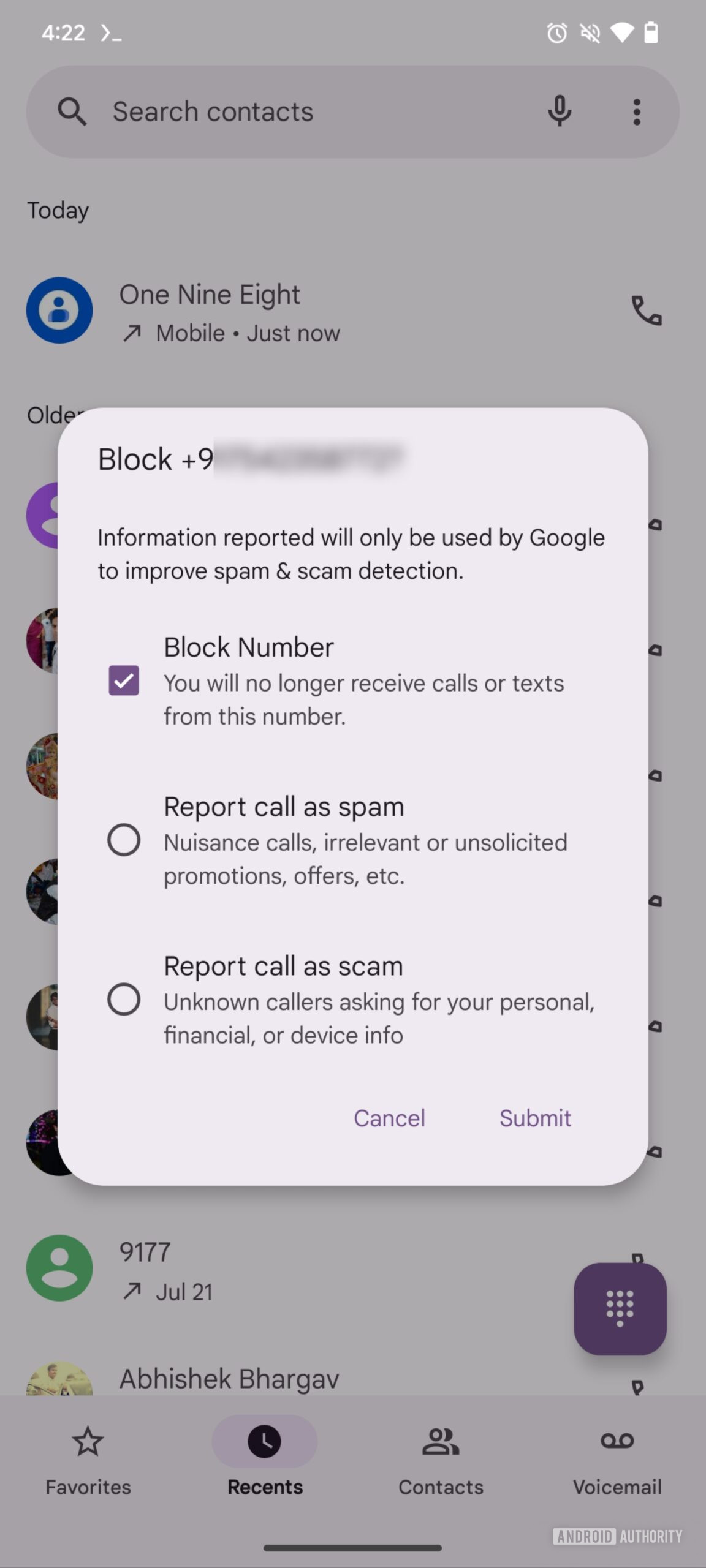
Android users are increasingly reliant on their devices for sensitive transactions and personal communication, making the integrity of the phone call more critical than ever. By integrating these tools directly into the dialer, Google ensures that security is accessible to a wide demographic, regardless of technical expertise. This aligns with the company’s broader mission to make technology more helpful and secure for everyone, a sentiment echoed in their latest product announcements regarding innovative AI models and agents.
Staying Protected in a Digital World
While technology provides a powerful shield, users are encouraged to remain vigilant. The introduction of fake call detection serves as a vital safeguard, but it is most effective when paired with best practices for mobile security. This includes verifying the identity of callers who ask for sensitive information, being wary of unsolicited requests for financial transfers, and keeping device software updated to ensure the latest security patches are installed.
The tech industry is currently in a period of rapid innovation, where the same tools used for creative expression are also being adapted for malicious purposes. As we look toward the future, the role of AI in cybersecurity will only become more pronounced. Organizations and developers are continuously iterating on these systems to stay ahead of bad actors, ensuring that the promise of a connected world remains a safe one for all.
Looking Ahead
As of June 2026, Google continues to integrate its latest AI advancements across its suite of products, including Android and Workspace. The rollout of these security features is a dynamic process, and users can expect further updates as the company refines its detection algorithms. For the latest information on feature availability and security advisories, users should regularly check the official Google Help resources and their device’s system settings.

We are entering a new era of digital defense, and while the threats are real, the tools to counter them are becoming increasingly sophisticated. Have you noticed changes in how your device handles suspicious calls? Please share your experiences and thoughts in the comments section below, and be sure to share this article with your network to help others stay informed about the latest steps in mobile security.
Related reading