The gap between diplomatic rhetoric and the reality on the ground in the Levant is widening. While international mediators continue to signal progress toward a potential truce, the reality for those living along the Israel-Lebanon border remains one of escalating violence and intensifying military operations. Despite persistent efforts by the United States and other international actors to broker a sustainable ceasefire, the Israeli military has significantly expanded its campaign against Hezbollah, transitioning from localized border skirmishes to a more intensive and multi-dimensional military effort.
As of late 2024 and moving into early 2025, the conflict has moved beyond the tactical exchanges that characterized the early months of the year. The Israeli Defense Forces (IDF) have increasingly utilized a combination of precision airstrikes and targeted ground incursions aimed at dismantling the infrastructure of the Iran-backed Hezbollah group. This expansion comes at a time when the diplomatic community is grappling with the complexities of implementing a lasting peace in a region where non-state actors and regional powers are deeply entrenched.
The situation is increasingly characterized by a “ceasefire in name only” atmosphere, where the language of de-escalation in Washington and New York often fails to reflect the kinetic reality in Southern Lebanon. For the residents of Lebanese border towns and northern Israeli communities, the promise of a truce remains a distant hope as the theater of war continues to grow in both scale and intensity.
The Widening Scope of Military Operations
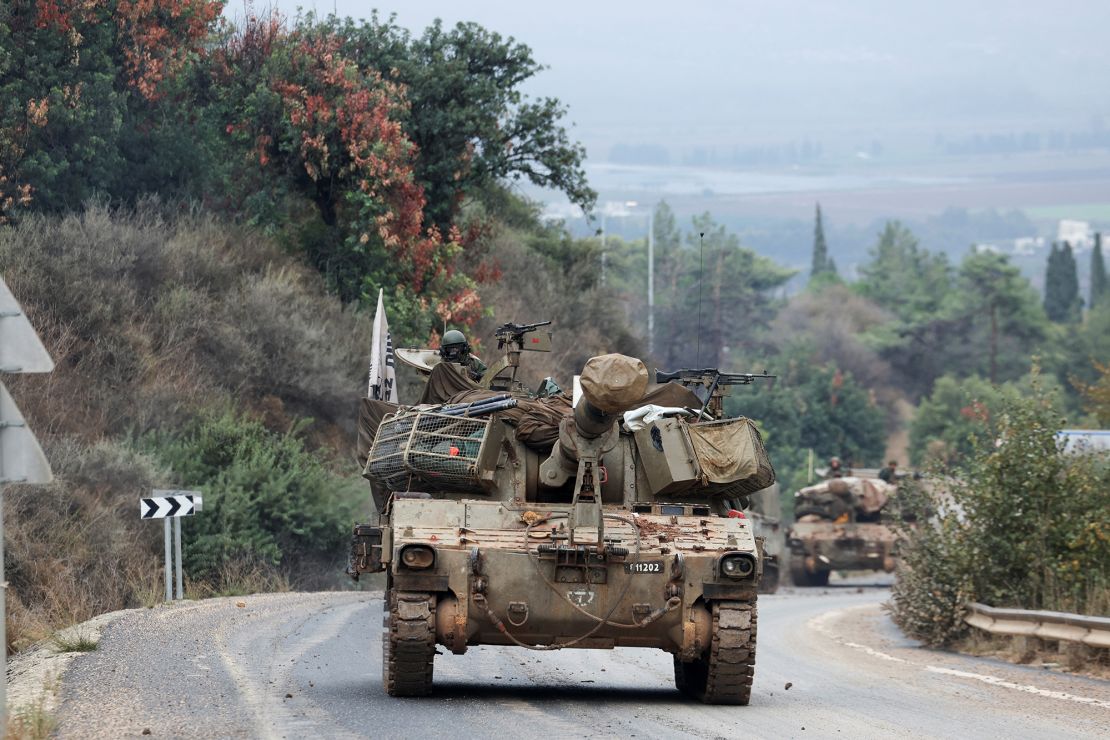
The shift in Israeli military strategy marks a critical turning point in the conflict. For much of the past year, the engagement was largely confined to a “tit-for-tat” exchange of rocket fire and retaliatory strikes. However, recent months have seen a marked escalation in the depth and frequency of Israeli operations. The IDF has moved beyond targeting specific launch sites to conducting broader operations aimed at destroying Hezbollah’s command-and-control centers, weapons caches, and tunnel networks.
Airstrikes have become a constant presence across Southern Lebanon, targeting not only military installations but also logistics hubs that the IDF identifies as essential to Hezbollah’s operational capacity. These strikes are often accompanied by intense artillery barrages designed to suppress Hezbollah’s ability to respond. The military’s objective, as stated by Israeli officials, is to push Hezbollah forces away from the border to allow for the safe return of displaced Israeli citizens to their homes in the north.
Simultaneously, the threat of ground operations has loomingly shaped the geopolitical landscape. While the IDF has conducted limited ground maneuvers to clear specific corridors and neutralize immediate threats, the possibility of a more significant incursion remains a central point of tension. This military pressure is intended to degrade Hezbollah’s capabilities, yet it has also led to a significant increase in the destruction of civilian infrastructure, complicating any future efforts at reconstruction and stability.
Hezbollah, in turn, has maintained its stance of “resistance,” continuing to launch projectiles into northern Israel. The group utilizes a sophisticated array of weaponry, including long-range rockets and drones, to demonstrate that despite the intensity of the Israeli campaign, its ability to project power remains intact. This cycle of escalation creates a volatile environment where a single miscalculation could trigger a much larger regional conflagration.
The Diplomatic Deadlock: UN Resolution 1701 and US Mediation
Amidst the kinetic escalation, the diplomatic track remains the primary, albeit fraught, mechanism for seeking an end to the hostilities. The cornerstone of any proposed ceasefire framework is United Nations Security Council Resolution 1701, which was originally adopted in 2006 to end the last major war between Israel and Hezbollah. The resolution calls for a cessation of hostilities, the withdrawal of Hezbollah forces from the area between the Blue Line and the Litani River, and the deployment of the United Nations Interim Force in Lebanon (UNIFIL) to ensure the area remains free of unauthorized armed personnel.
The fundamental challenge lies in the implementation of this resolution. Israel maintains that Hezbollah’s continued presence near its northern border is a direct violation of 1701 and a primary security threat. Conversely, Hezbollah and many Lebanese political factions argue that the resolution’s implementation requires a stronger presence of the Lebanese Armed Forces (LAF) and a more robust mandate for UNIFIL to effectively prevent the re-arming of non-state actors.
The United States has played a central role in mediating these disputes. US diplomats, including special envoys tasked with navigating the intricacies of Middle Eastern security, have worked to craft a deal that addresses Israel’s security requirements while respecting Lebanese sovereignty. The proposed frameworks often involve a period of monitored de-escalation, where Hezbollah would withdraw from specific zones in exchange for a significant reduction in Israeli military activity and a commitment to long-term border security measures.
However, these negotiations face immense hurdles. There is a profound lack of trust between the primary combatants, and the involvement of regional players—most notably Iran—adds layers of complexity that a bilateral agreement cannot easily resolve. For a ceasefire to be more than “in name only,” it must include verifiable mechanisms for monitoring compliance, a task that has proven tricky given the terrain and the secretive nature of Hezbollah’s operations.
The Humanitarian Toll: A Growing Crisis in Lebanon
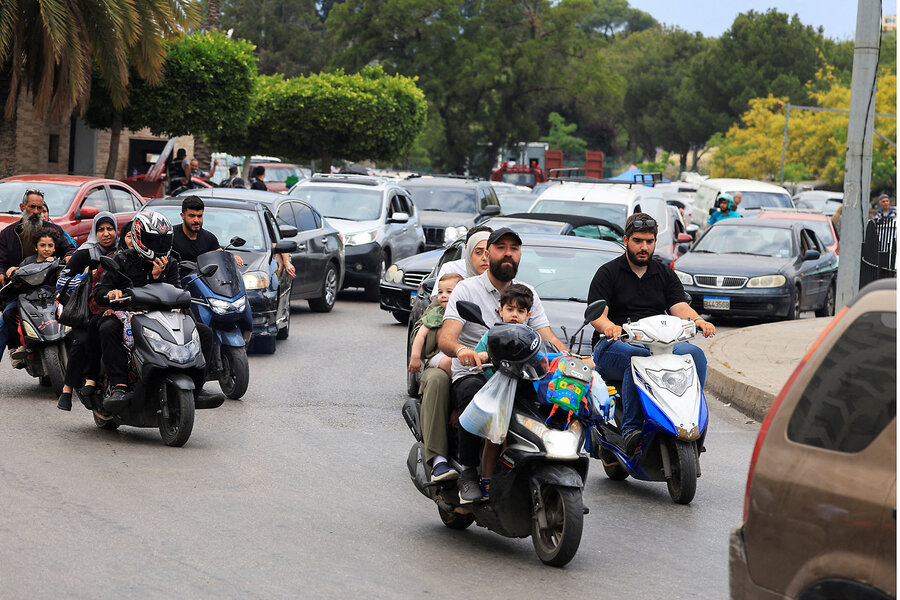
The human cost of the expanded military campaign is profound and continues to mount. The displacement of civilians has reached levels that humanitarian agencies describe as catastrophic. According to reports from UNHCR and other international monitoring bodies, hundreds of thousands of Lebanese citizens have been forced to flee their homes in the south and parts of the Bekaa Valley, seeking refuge in the overcrowded suburbs of Beirut and other parts of the country.
This mass movement of people has placed an immense strain on Lebanon’s already fragile socio-economic infrastructure. The country, which has been grappling with a severe economic crisis for several years, is struggling to provide basic necessities such as food, clean water, and medical care to the displaced populations. Schools, community centers, and public buildings have been repurposed as temporary shelters, often operating well beyond their intended capacity.
Beyond the immediate displacement, the physical destruction of villages, agricultural lands, and vital infrastructure—including roads, bridges, and power lines—threatens the long-term viability of Southern Lebanon. The loss of livelihoods, particularly in the agricultural sector which is vital to the region, suggests that even if a ceasefire is reached, the road to recovery will be long and arduous. The psychological impact on children and families who have lived through repeated cycles of violence cannot be overstated, creating a generational trauma that may persist long after the guns fall silent.
Impact Overview: Displacement and Infrastructure
| Category | Primary Impact Area | Status/Trend |
|---|---|---|
| Population Displacement | Southern Lebanon & Bekaa Valley | Significant increase; massive internal migration to Beirut. |
| Civilian Infrastructure | Border Towns & Logistics Hubs | Widespread damage to residential and transport networks. |
| Economic Stability | National (Lebanon) | Severe strain on state resources and humanitarian aid. |
| Agricultural Sector | South Lebanon | Loss of crops and access to farming lands due to combat. |
Geopolitical Implications: Hezbollah, Iran, and Regional Stability
To understand why the conflict persists despite diplomatic pressure, one must look at the broader geopolitical architecture of the Middle East. Hezbollah is not merely a local militia; it is a highly organized and well-armed political and military entity that serves as a key component of Iran’s “Axis of Resistance.” For Tehran, Hezbollah provides a strategic depth that allows it to project influence directly onto Israel’s doorstep, serving as a deterrent against potential Israeli or US strikes on Iranian interests.
This relationship means that any conflict between Israel and Hezbollah is inherently linked to the larger tensions between Israel and Iran. Hezbollah’s military capabilities, including its vast arsenal of precision-guided missiles, are widely believed to be supported and trained by the Iranian Revolutionary Guard Corps (IRGC). This support makes Hezbollah a formidable adversary and ensures that any attempt to neutralize the group through military means carries the risk of triggering a direct confrontation with Iran.
the conflict has significant implications for the stability of the wider region. The ongoing hostilities threaten to spill over into other areas, potentially involving actors in Syria or Yemen, thereby expanding the scope of the war. The international community is acutely aware that a full-scale regional war would have devastating consequences for global energy markets, maritime security in the Mediterranean, and the overall stability of the Middle East.
For Israel, the primary concern is the long-term security of its northern border. The government argues that the current military campaign is a necessity to prevent Hezbollah from establishing a permanent military presence that could launch a devastating attack on Israeli cities. For the Lebanese government, the challenge is to maintain national sovereignty and prevent the country from being drawn into a war that it is ill-equipped to fight and cannot afford to endure.
The Path Forward: What Happens Next?
As the military operations continue, the focus remains on the upcoming diplomatic milestones. The effectiveness of any potential ceasefire will depend on the creation of a robust, multi-layered verification mechanism that includes not only the Lebanese military and UNIFIL but also clear protocols for addressing violations in real-time. The international community must also address the underlying drivers of the conflict, including the status of the Lebanese state and the regional power struggles that fuel the proxy warfare.
The immediate future will likely see continued military activity as both sides attempt to improve their tactical positions before any potential truce is signed. The ability of US mediators to bridge the gap between Israel’s security demands and Lebanon’s sovereignty requirements remains the most critical variable in the quest for peace.
Next Official Update: Observers are closely monitoring upcoming sessions of the UN Security Council and scheduled diplomatic meetings in Cairo and Beirut, which are expected to provide further clarity on the status of ceasefire negotiations.
What are your thoughts on the international community’s ability to broker a lasting peace in Lebanon? Do you believe the current diplomatic efforts are sufficient? Share your views in the comments below and please share this article to keep the conversation going.
Related reading