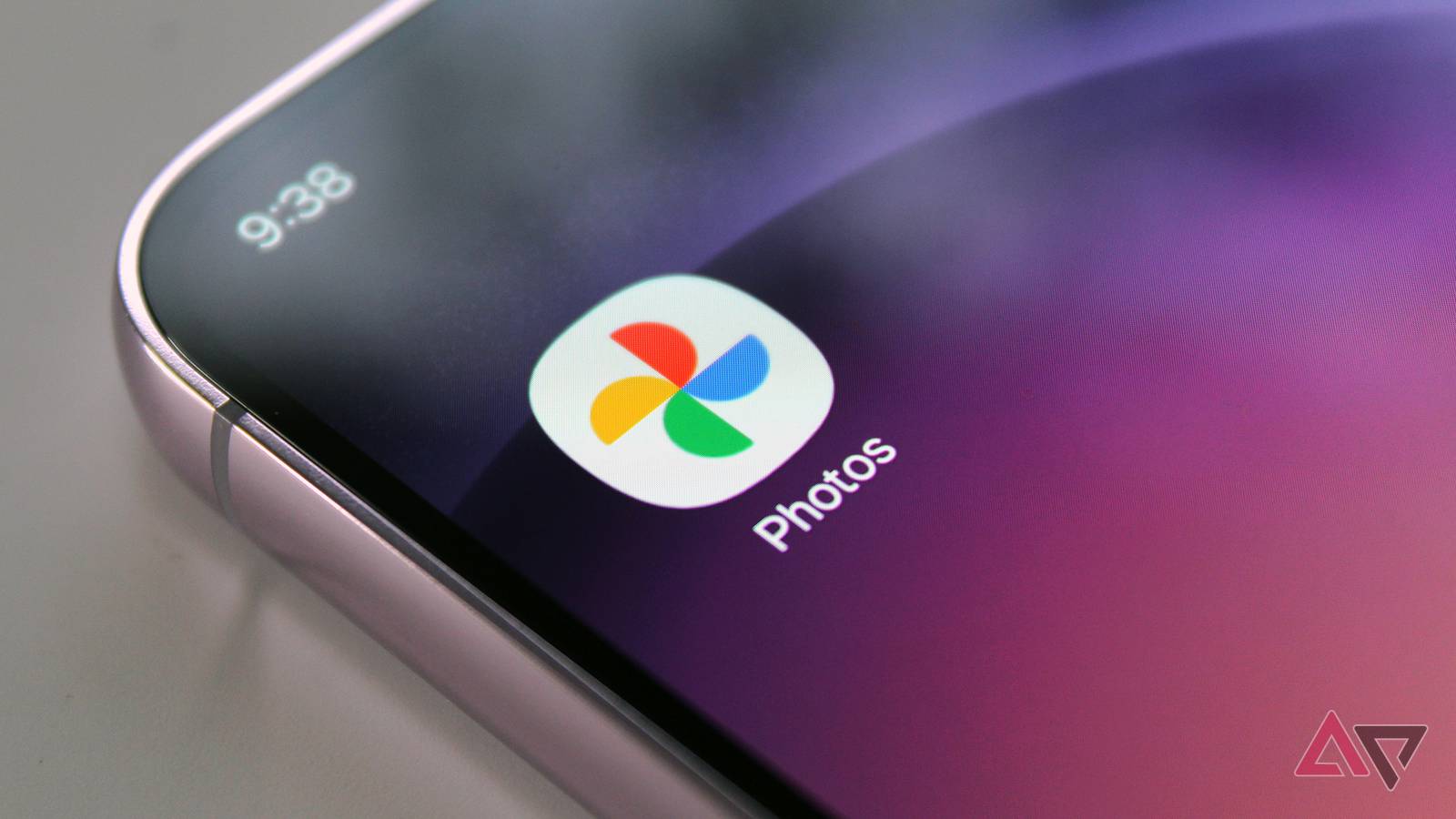
Google Photos is testing new AI-powered tools that could transform user videos in ways similar to its existing Remix feature for photos, according to multiple reports. While details remain limited, the potential expansion into video editing—including stylized effects, 3D animations, and automated enhancements—suggests Google is doubling down on generative AI in its cloud storage platform. Here’s what we know so far, based on verified leaks and industry trends.
Google’s Remix feature, launched in late 2023, already lets users apply AI-generated styles to photos, ranging from anime-inspired filters to 3D animations. Now, sources close to the development—including The Verge and Wired—report that the company is quietly testing similar capabilities for videos. Unlike traditional video editors, these tools would leverage Google’s generative AI to automatically apply effects, adjust pacing, or even reimagine clips in different artistic styles.
The potential rollout aligns with Google’s broader push into AI-driven creativity tools, including its recent integration of Imagen 2 for text-to-image generation and updates to Google Photos’ Magic Editor, which uses AI to remove objects or enhance details. If video Remix becomes official, it would mark another step toward making professional-grade editing accessible to everyday users—without requiring third-party apps like Adobe Premiere or CapCut.
What the New Video Tools Could Do
Based on early testing and comparisons to existing photo Remix features, the video tools may include:

- AI-generated effects: Automated filters that mimic popular video styles, such as cinematic color grading or retro VHS effects, applied with one tap.
- 3D animation conversions: Similar to the photo Remix’s 3D option, users might be able to turn clips into low-poly or animated sequences.
- Background replacement: AI-powered removal of backgrounds or objects, filling gaps with generated content (e.g., replacing a busy street with a serene beach).
- Automated editing: Tools to speed up or slow down footage, adjust lighting, or even suggest cuts based on pacing algorithms.
One key difference from photo Remix could be real-time preview, as video editing often requires more iterative testing. Sources suggest Google is refining these features to avoid the lag or glitches seen in early AI video tools from competitors like Runway ML or Descript.
When Might Users See These Features?
Google has not confirmed a timeline, but industry analysts—including those cited in Bloomberg’s coverage—estimate a beta release could arrive by late 2024, with wider availability in early 2025. The company’s history with photo Remix suggests a gradual rollout, starting with a small group of testers before expanding globally.

For context, Google Photos’ photo Remix began as a limited test in October 2023 (per Google’s official support page) and took months to reach most users. If the video tools follow a similar path, users in the U.S. and Canada may see them first, followed by other regions.
How This Compares to Competitors
Google isn’t the only tech giant experimenting with AI video tools. Here’s how its potential offering stacks up:
| Feature | Google Photos (Reported) | Adobe Premiere Rush | CapCut | Runway ML |
|---|---|---|---|---|
| AI Effects | Automated filters (cinematic, retro, etc.) | Manual presets only | Basic auto-enhancements | Advanced generative effects |
| 3D Animation | Reported (photo-style) | No | No | Yes (via plugins) |
| Background Removal | AI-powered | Manual selection | Basic removal | High-end generative fill |
| Pricing | Free (with Google One storage) | Subscription ($9.99/month) | Free (with ads) | Pay-per-use ($15/credit) |
Note: Google’s tools would likely prioritize ease of use over advanced features, making them more accessible than competitors like Runway ML, which targets professional creators. However, the lack of a subscription model could limit storage or processing power for heavy edits.
Why This Matters for Users
If Google delivers on these reports, the impact could be significant for three key groups:
- Casual creators: Users who want to enhance home videos or social media clips without learning complex software. The tools would lower the barrier to entry for effects like green-screen removal or dynamic transitions.
- Small businesses or influencers could use automated editing to save time on content creation, similar to how Canva revolutionized graphic design.
- Organizations with limited budgets might gain access to professional-grade tools at no additional cost (beyond Google One storage).
However, privacy concerns could arise. Google’s AI tools rely on user-uploaded content to train models, raising questions about data usage policies. The company’s privacy policy states that content used to improve services may be analyzed, but it does not specify whether video Remix would require opt-in consent for AI training.
What’s Next: How to Stay Updated
Google has not issued an official statement, but users can:
- Enable beta features in Google Photos settings to receive early access to new tools.
- Follow Google Photos’ official Twitter for announcements.
- Check for updates in the Google Photos Help Center, where Remix features were first documented.
The next confirmed checkpoint is Google I/O 2025, where the company typically announces major product updates. If video Remix is ready for broader testing by then, it could be unveiled during a keynote or developer session.
What do you think? Would you use AI-powered video editing in Google Photos? Share your thoughts in the comments below—or tag @WorldTodayJrnl on X to join the conversation.
Keep reading