
Public health officials in Quebec have confirmed the presence of rabies in raccoons discovered in Magog, prompting an urgent advisory regarding wildlife contact and pet vaccinations. According to the Ministère de l’Agriculture, des Pêcheries et de l’Alimentation (MAPAQ), the detection of the virus in local wildlife populations has triggered enhanced surveillance protocols across the Eastern Townships region.
The confirmation of rabies in these animals serves as a stark reminder of the zoonotic risks inherent in urban and suburban wildlife interactions. As a physician, I cannot stress enough that rabies is a fatal viral disease if left untreated; however, it is entirely preventable through timely medical intervention and responsible pet management. Residents in the affected areas must exercise extreme caution when encountering wild animals, particularly those exhibiting abnormal behavior.
Understanding the Risk in the Eastern Townships
The identification of rabid raccoons in Magog is part of an ongoing monitoring effort by provincial authorities to track the spread of the virus. Rabies is primarily transmitted through the saliva of an infected animal, typically via a bite or a scratch. While raccoons are known carriers, the virus can also affect skunks, bats, and foxes. The Government of Quebec maintains a rigorous testing program to prevent the disease from establishing a permanent foothold in local wildlife populations.
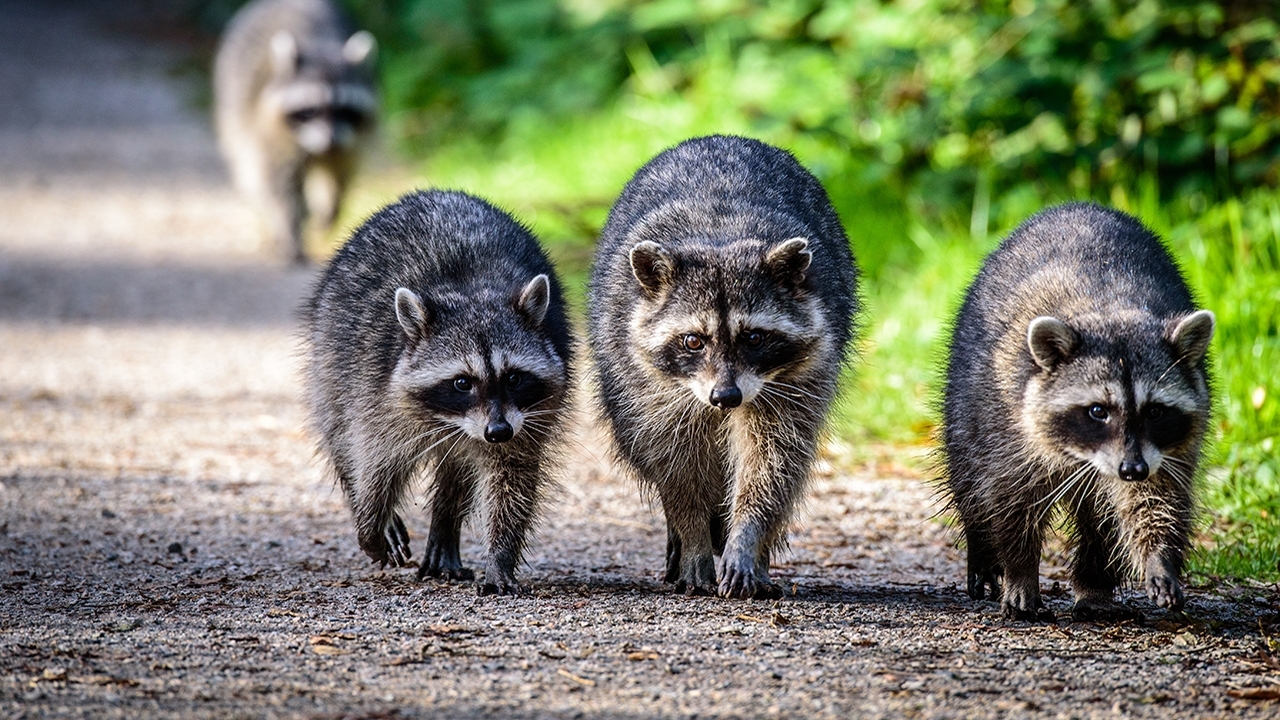
For residents, the most significant risk occurs during direct physical contact. Authorities emphasize that individuals should never attempt to feed, touch, or handle wild animals, even if the animal appears injured or orphaned. If an encounter occurs, the primary directive is to secure the area and contact local animal control or wildlife services immediately. The Institut national de santé publique du Québec (INSPQ) provides detailed guidance on post-exposure prophylaxis, which remains the gold standard for preventing the onset of symptoms after a potential exposure.
Protecting Domestic Animals and Public Health
Pet owners play a critical role in controlling the spread of rabies. Ensuring that dogs and cats are up-to-date on their rabies vaccinations is the most effective way to create a barrier between wildlife and the human population. Under provincial health guidelines, unvaccinated pets that come into contact with a suspected rabid animal may be subject to strict quarantine or, in extreme cases, euthanasia to protect the public from potential transmission.
Veterinary clinics throughout the Magog area are currently prioritizing vaccination appointments to bolster community immunity. If your pet has had an unauthorized encounter with a raccoon or any other wild animal, contact your veterinarian immediately for an assessment. According to the Canadian Food Inspection Agency, rabies remains a reportable disease, meaning veterinarians are legally obligated to notify authorities if a suspected case is identified in a domestic or wild animal.
Recognizing Signs of Rabies in Wildlife
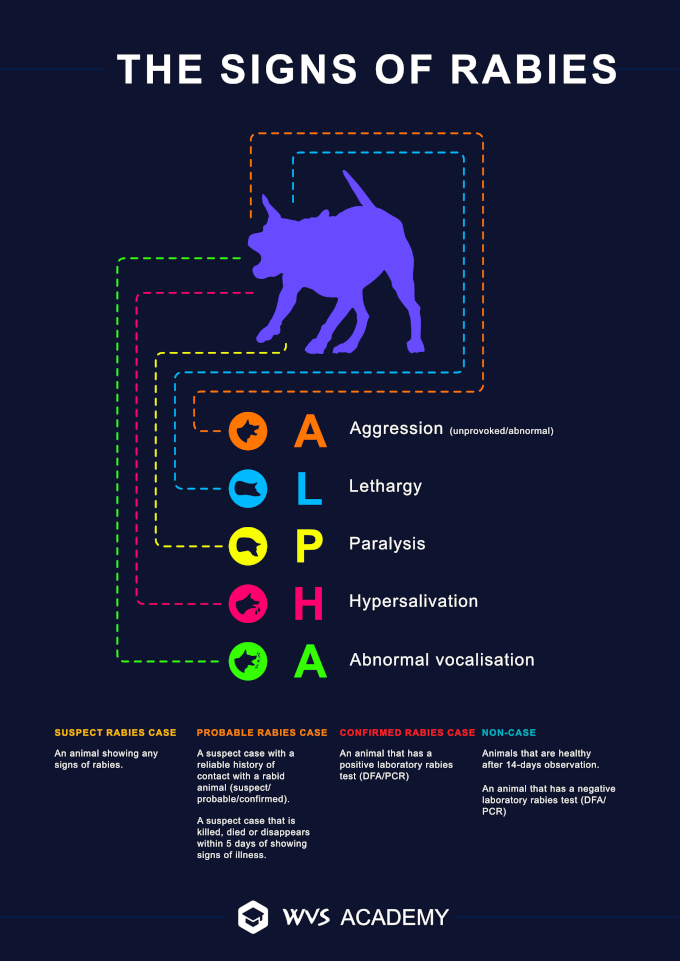
Identifying a rabid animal can be difficult, as symptoms vary; however, certain behaviors are consistent markers of the disease. An infected animal may display extreme lethargy, paralysis, or, conversely, uncharacteristic aggression. Nocturnal animals, such as raccoons, being active during the day is often cited as a potential warning sign, though it does not definitively confirm the presence of the virus.
The MAPAQ advisory outlines a clear protocol for citizens:
- Avoid all contact with wild animals.
- Do not leave pet food or garbage outdoors, as these attract wildlife to residential properties.
- Teach children to respect the distance between themselves and any wild creatures.
- If you find a dead animal, do not touch it; report the location to the provincial rabies hotline.
What Happens Next
Provincial authorities are expected to continue their surveillance and potential bait-vaccination campaigns to mitigate the risk of further transmission. These efforts involve the distribution of oral rabies vaccine baits in targeted areas, which are designed to immunize wild populations. Residents are encouraged to monitor the official Quebec government portal for the most recent updates on containment zones and safety advisories.
Public health surveillance is a dynamic process, and we will continue to monitor official reports from the region. If you have concerns about a specific encounter or believe you have been exposed, contact your local health clinic or the Info-Santé 811 service in Quebec without delay. Please share this information with your neighbors to ensure the community remains informed and vigilant.
Related reading
- 3D Genome Mapping Links Crohn’s Disease Genes to Rare Immune Cells
- How Birth Order Affects Your Risk of Over 100 Different Diseases
- Chipotle Investigated Over Salmonella Outbreak Linked to Jalapeño Peppers (time.news)
- Lawmakers Raise Concerns Over Insurance Scores in Homeowners Insurance Underwriting (newsdirectory3.com)